Category: Chapter 3: Kinship, Caste and Class

  • 2.5 Were Mothers Important?

    2.5 Were Mothers Important? – Class XII History

    Kinship, Caste and Class

    Early Societies in Ancient India

    👩‍👧‍👦 2.5 Were Mothers Important?
    📅 200 BCE – 500 CE
    🤔

    2.5 Were Mothers Important?

    We have seen that Satavahana rulers were identified through metronymics (names derived from that of the mother). Although this may suggest that mothers were important, we need to be cautious before we arrive at any conclusion.

    ⚠️ Historical Caution Required

    The Evidence Paradox: While metronymic naming suggests maternal importance, we must carefully analyze what this actually meant in practice. Names can be misleading – they might reflect respect, political strategy, or cultural tradition rather than actual power or status.

    Key Questions to Consider:

    • Did naming practices reflect real power or just ceremonial respect?
    • Were mothers important in politics or just in family identity?
    • How do we distinguish between symbolic and actual importance?
    • What other evidence do we need to make accurate conclusions?

    📝 Evidence FOR Maternal Importance

    • Metronymic naming: Kings proudly used mothers’ names
    • Public recognition: Mothers’ identities preserved in official records
    • Dynastic continuity: Maternal lineage considered significant
    • Religious context: Mothers’ gotras retained religious significance

    🚫 Evidence AGAINST Maternal Power

    • Patrilineal succession: Throne passed from father to son
    • Male rule: No evidence of queens ruling independently
    • Limited political role: Mothers not mentioned in political decisions
    • Symbolic respect: Honor might be ceremonial, not practical

    🎭 The Central Contradiction

    The Puzzle: In the case of the Satavahanas, we know that succession to the throne was generally patrilineal – passed from father to son through the male line.

    What This Means: Despite being honored in names, mothers did not actually transfer political power to their children. The real authority came through the father’s lineage, even though the mother’s identity was publicly celebrated.

    💡 Key Insight: This suggests a complex system where mothers were culturally important and socially respected, but politically subordinate. It’s like being the “guest of honor” at an event you don’t actually control.

    🤔 Analysis Questions:

    Question 1: How can we explain the paradox of maternal honor in naming versus patrilineal succession? What does this reveal about the nature of power and respect in ancient societies?
    Question 2: What additional types of evidence would historians need to determine the actual importance of mothers in Satavahana society? How should we interpret incomplete historical records?
    📜 Source 5: Gandhari’s Appeal from the Mahabharata

    The Mahabharata describes how, when war between the Kauravas and the Pandavas became almost inevitable, Gandhari made one last appeal to her eldest son Duryodhana:

    By making peace you honour your father and me, as well as your well-wishers … it is the wise man in control of his senses who guards his kingdom. Greed and anger drag a man away from his profits; by defeating these two enemies a king conquers the earth … You will happily enjoy the earth, my son, along with the wise and heroic Pandavas … There is no good in a war, no law (dharma) and profit (artha), let alone happiness; nor is there (necessarily) victory in the end – don’t set your mind on war …

    Outcome: Duryodhana did not listen to this advice and fought and lost the war.

    🤔 Source Analysis Questions:

    Question: What does Gandhari’s appeal reveal about the role and influence of mothers in ancient Indian royal families? How does this literary evidence complement our understanding from the Satavahana inscriptions?
    🏛️

    Visual Evidence: The Mahabharata in Art

    Fig. 3.4 A battle scene - Terracotta sculpture from Ahichchhatra temple walls showing Mahabharata scene Fig. 3.4 A battle scene
    This is amongst the earliest sculptural depictions of a scene from the Mahabharata, a terracotta sculpture from the walls of a temple in Ahichchhatra (Uttar Pradesh), c. fifth century CE. The artwork shows the enduring cultural impact of the epic and its stories about family, duty, and the consequences of ignoring wise counsel.

    🤔 Visual Analysis Questions:

    Question: What does the artistic depiction of Mahabharata scenes in temples tell us about the cultural importance of these stories? How might such art have reinforced ideas about family roles and maternal authority?
    💬 Discussion: Naming Practices in Indian Context

    How are children named today? Are these ways of naming similar to or different from those described in this section?

    📊 Naming Practices Across Time Periods

    🏛️ Ancient Satavahana

    👑 Royal Naming: Metronymic (mother’s name)

    👩 Women’s Names: Sometimes retained birth gotra

    🗺️ Regional Variation: Deccan had different practices

    ⚖️ Social Status: Elite could choose naming patterns

    🏰 Traditional Indian

    👑 Royal Naming: Patronymic (father’s name)

    👩 Women’s Names: Usually adopt husband’s name

    🗺️ Regional Variation: Significant regional differences

    ⚖️ Social Status: Caste/community determines patterns

    🌟 Modern Indian

    👑 Royal Naming: Various options available

    👩 Women’s Names: Increasingly keeping maiden names

    🗺️ Regional Variation: Continues with modern adaptations

    ⚖️ Social Status: Individual choice increasing

    🤔 Contemporary Analysis:

    Question: What similarities and differences do you see between ancient Satavahana naming practices and modern Indian naming patterns? What do these patterns reveal about changing attitudes toward gender and family?
    💡

    Key Takeaways: The Complexity of Maternal Importance

    🎭 Symbolic vs. Real Power

    Mothers could be honored and respected without having actual political authority – a distinction crucial for understanding ancient societies

    📊 Multiple Types of Evidence

    Names, succession patterns, literary sources, and art all provide different perspectives on women’s roles and importance

    ⚖️ Historical Caution

    Historians must be careful not to overinterpret limited evidence or assume that honor equals power

    🌍 Cultural Continuity

    Patterns of maternal respect within patriarchal systems show remarkable continuity from ancient to modern times

    🎯 Final Assessment: Were Mothers Important?

    The Nuanced Answer: Yes, but in complex ways that don’t fit simple categories of “powerful” or “powerless.”

    Types of Maternal Importance:

    • Cultural importance: Mothers were respected as sources of wisdom and moral guidance
    • Symbolic importance: Maternal lineages provided legitimacy and identity
    • Emotional importance: Family bonds gave mothers influence through love and respect
    • Limited political importance: Mothers could advise but rarely rule independently

    Historical Lesson: Ancient societies, like modern ones, were complex systems where people could be important in some ways while being limited in others. Understanding this complexity helps us avoid oversimplified views of the past and better appreciate the nuanced nature of power, respect, and influence in human societies.

    🤔 Final Reflection:

    Synthesis Question: Based on all the evidence examined, how would you characterize the importance of mothers in ancient Indian royal families? What lessons does this teach us about interpreting historical evidence and understanding the complexity of women’s roles in patriarchal societies?
  • 2.4 The Gotra of Women

    2.4 The Gotra of Women – Class XII History

    Kinship, Caste and Class

    Early Societies in Ancient India

    👥 2.4 The Gotra of Women
    📅 1000 BCE – 200 CE
    👥

    2.4 The Gotra of Women

    One Brahmanical practice, evident from c. 1000 BCE onwards, was to classify people (especially Brahmanas) in terms of gotras. Each gotra was named after a Vedic seer, and all those who belonged to the same gotra were regarded as his descendants.

    Key Gotra Concepts:
    Gotra: Patrilineal clan system where members trace descent to a common Vedic sage
    Exogamy: Marriage outside one’s gotra – the prescribed Brahmanical rule
    Endogamy: Marriage within the same gotra or kin group – alternative practice
    Metronymics: Names derived from the mother’s lineage
    Polygyny: Practice of having multiple wives

    📅 Development of Gotra System

    c. 1000 BCE
    Gotra system emerges: Brahmanical practice of classifying people by descent from Vedic seers
    800-600 BCE
    Upanishadic period: Evidence of metronymics in Brihadaranyaka Upanishad
    200 BCE-200 CE
    Satavahana period: Inscriptional evidence shows deviation from Brahmanical gotra rules

    🧬 Patrilineal Descent

    Each gotra traced ancestry to a specific Vedic sage, creating patrilineal clan identity

    📜 Vedic Connection

    Gotras named after revered Vedic seers like Gotama, Vasistha, Bharadvaja

    👨‍👩‍👧‍👦 Social Organization

    System helped organize Brahmanical society and regulate marriage alliances

    🔄 Identity Transfer

    Women expected to adopt husband’s gotra upon marriage

    ⚖️

    Two Fundamental Gotra Rules

    Two rules about gotra were particularly important and shaped marriage practices and women’s identity in Brahmanical society.

    Rule 1: Gotra Transfer for Women

    Requirement: Women were expected to give up their father’s gotra and adopt that of their husband on marriage

    Implication: Complete identity transformation – women lost their birth lineage identity

    Purpose: Ensured patrilineal continuity and integration into husband’s family

    Rule 2: Gotra Exogamy

    Requirement: Members of the same gotra could not marry each other

    Rationale: Prevented marriage between “relatives” descended from same sage

    Effect: Forced marriage alliances across different gotra groups

    Significance of Gotra Rules: These rules served multiple purposes – they maintained patriarchal control over women’s identity, prevented what was considered incestuous marriages, and created networks of alliance between different Brahmanical families. The system reinforced male lineage while completely erasing women’s birth identity upon marriage.

    🤔 Analysis Questions:

    Question 1: How did the gotra system impact women’s identity and social status? What does this reveal about gender relations in ancient Indian society?
    Question 2: What were the social and political functions of gotra exogamy? How did it serve Brahmanical interests?
    🔍

    Historical Evidence: Names and Inscriptions

    One way to find out whether gotra rules were commonly followed is to consider the names of men and women, which were sometimes derived from gotra names. These names are available for powerful ruling lineages such as the Satavahanas.

    🏛️ The Satavahana Case Study

    Dynasty: Satavahanas ruled over parts of western India and the Deccan (c. second century BCE-second century CE)

    Sources: Several inscriptions have been recovered, allowing historians to trace family ties, including marriages

    Significance: Provides concrete evidence of actual marriage practices among ruling elites

    📊 Research Method

    Historians analyzed names in inscriptions to determine whether women retained their father’s gotra names or adopted their husband’s

    👑 Elite Focus

    Satavahana rulers were polygynous, providing multiple examples of marriage practices among the political elite

    🗿 Inscriptional Evidence

    Stone inscriptions provide reliable, contemporary evidence of actual naming practices

    🌍 Regional Variation

    Evidence suggests different practices in different parts of the subcontinent

    🤔 Methodological Questions:

    Question 3: Why are names derived from gotras valuable evidence for historians? What are the limitations of this approach?
    📜 Source 4: Names of Satavahana Kings from Inscriptions

    These are the names of several generations of Satavahana rulers, recovered from inscriptions. Note the uniform title raja. Also note the following word, which ends with the term puta, a Prakrit word meaning “son”.

    The term Gotami-puta means “son of Gotami”. Names like Gotami and Vasithi are feminine forms of Gotama and Vasistha, Vedic seers after whom gotras were named.

    raja Gotami-puta Siri-Satakani
    Son of Gotami
    raja Vasithi-puta (sami-) Siri-Pulumayi
    Son of Vasithi
    raja Gotami-puta sami-Siri-Yana-Satakani
    Son of Gotami
    raja Madhari-puta svami-Sakasena
    Son of Madhari
    raja Vasathi-puta Chatarapana-Satakani
    Son of Vasathi
    raja Hariti-puta Vinhukada Chutukulanamda-Satakamni
    Son of Hariti
    raja Gotami-puta Siri-Vijaya-Satakani
    Son of Gotami

    🤔 Source Analysis Questions:

    Question: What is unusual about these royal names? What does the prevalence of metronymics (names derived from mothers) suggest about Satavahana society?
    ⚡

    Contradictions: Theory vs. Practice

    An examination of the names of women who married Satavahana rulers reveals significant deviations from Brahmanical gotra rules, highlighting the gap between religious prescriptions and social reality.

    🚫 Major Contradictions Discovered

    1. Retention of Father’s Gotra:

    • Many women had names derived from gotras such as Gotama and Vasistha – their father’s gotras
    • They evidently retained these names instead of adopting names derived from their husband’s gotra
    • This directly violated the Brahmanical rule requiring gotra transfer upon marriage

    2. Same-Gotra Marriages:

    • Some women who married Satavahana rulers belonged to the same gotra
    • This ran counter to the ideal of exogamy recommended in Brahmanical texts
    • It exemplified endogamy or marriage within the kin group

    🔄 Endogamy Practice

    Marriage within the kin group was (and is) prevalent amongst several communities in south India, ensuring close-knit communities

    👨‍👩‍👧‍👦 Kinfolk Marriages

    Marriages amongst kinfolk (such as cousins) created strong family bonds and preserved wealth within extended families

    🌍 Regional Variations

    Likely that there were variations in other parts of the subcontinent as well, but specific details not yet reconstructed

    📚 Limited Evidence

    Difficulty in reconstructing practices from other regions due to limited inscriptional evidence

    Aspect Brahmanical Prescription Satavahana Practice Implication Women’s Gotra Must adopt husband’s gotra Retained father’s gotra names Women maintained birth identity Marriage Rules Strict exogamy (different gotras) Some same-gotra marriages Endogamy practiced Identity System Patrilineal emphasis Metronymic naming Maternal lineage important Social Organization Inter-gotra alliances Intra-family consolidation Different alliance strategies

    🤔 Critical Analysis Questions:

    Question 4: What do these contradictions between Brahmanical rules and Satavahana practices reveal about the nature of social authority in ancient India?
    Question 5: What were the potential advantages of endogamous marriage practices for ruling families like the Satavahanas? Why might they have preferred this over Brahmanical exogamy?
    📚

    Metronymics in the Upanishads

    📖 Box: Metronymics in the Upanishads
    The Brihadaranyaka Upanishad, one of the earliest Upanishads (see also Chapter 4), contains a list of successive generations of teachers and students, many of whom were designated by metronymics.

    This evidence from the Upanishads suggests that the practice of using maternal names was not unique to the Satavahanas but had deeper roots in Indian tradition, appearing even in sacred Brahmanical texts.

    📜 Upanishadic Evidence

    Sacred texts themselves contain examples of metronymic naming, suggesting this was an accepted practice in certain contexts

    👨‍🏫 Teacher-Student Lineages

    Spiritual lineages sometimes emphasized maternal connections, indicating respect for women’s role in knowledge transmission

    🕰️ Historical Continuity

    Practice spans from Upanishadic period to Satavahana times, showing long-term cultural pattern

    🤔 Brahmanical Complexity

    Even within Brahmanical tradition, there were variations and exceptions to standard patrilineal practices

    🤔 Synthesis Questions:

    Question 6: How does the presence of metronymics in the Upanishads complicate our understanding of Brahmanical attitudes toward women and lineage?
    🏛️

    Visual Evidence: Royal Sculpture

    Fig. 3.3 A Satavahana ruler and his wife - sculptural depiction from cave wall Fig. 3.3 A Satavahana ruler and his wife
    This rare sculptural depiction from a Buddhist cave wall (c. second century BCE) shows the royal couple together, suggesting the queen’s important public role in religious patronage and dynastic representation.

    🤔 Visual Evidence Analysis:

    Question 7: What can this sculptural evidence tell us about the status of royal women in Satavahana society? How does visual evidence complement textual sources?
    💡

    Key Takeaways: The Gotra of Women

    📏 Brahmanical Rules

    Two key gotra rules: women must adopt husband’s gotra and same-gotra marriage prohibited

    🔍 Historical Evidence

    Inscriptional evidence from Satavahana period reveals significant deviations from Brahmanical prescriptions

    ⚡ Theory vs. Practice

    Major gap between religious texts and actual social practices among ruling elites

    🌍 Regional Variation

    Different regions followed different marriage and naming practices, showing cultural diversity

    Historical Significance: The study of gotra rules and their actual implementation reveals the complexity of ancient Indian society. While Brahmanical texts prescribed strict patrilineal rules, the evidence from the Satavahana period shows that powerful families could and did deviate from these norms. The retention of maternal gotra names, practice of endogamy, and use of metronymics all suggest that women’s status and identity were more complex than Brahmanical prescriptions indicate. This case study demonstrates the importance of examining multiple types of evidence – textual, inscriptional, and visual – to understand the full complexity of historical societies.

    🤔 Final Synthesis Question:

    Comprehensive Analysis: How does the study of gotra rules and their implementation contribute to our understanding of women’s status, social authority, and cultural diversity in ancient India?

  • 2.3 Rules of Marriage

    2.3 Rules of Marriage – Class XII History

    Kinship, Caste and Class

    Early Societies in Ancient India

    💒 2.3 Rules of Marriage
    📅 500 BCE – 200 CE
    💒

    2.3 Rules of Marriage

    While sons were important for the continuity of the patrilineage, daughters were viewed rather differently within this framework. They had no claims to the resources of the household. At the same time, marrying them into families outside the kin was considered desirable.

    Key Marriage Concepts:
    Exogamy: Marrying outside one’s kin group – considered desirable for daughters
    Endogamy: Marriage within a unit (kin group, caste, locality)
    Kanyadana: The gift of a daughter in marriage – considered a religious duty of the father
    Polygyny: Practice of a man having several wives
    Polyandry: Practice of a woman having several husbands

    👧 Daughters’ Status

    No claims to household resources but crucial for family alliances through marriage

    🔄 Exogamy System

    Marrying daughters outside the kin group to create new family connections

    ⏰ Regulated Lives

    Young girls’ lives carefully controlled to ensure “right” time and “right” person marriages

    🙏 Religious Duty

    Kanyadana became an important religious obligation for fathers

    🤔 Critical Analysis Questions:

    Question 1: How did the patrilineal system create a paradox in the treatment of daughters? Why were they both “valuable” and “without claims”?
    Question 2: What were the potential benefits and drawbacks of the exogamy system for different members of society?
    🏛️

    Social Complexity and Brahmanical Response

    With the emergence of new towns, social life became more complex. People from near and far met to buy and sell their products and share ideas in the urban milieu. This may have led to a questioning of earlier beliefs and practices.

    📅 Development of Marriage Codes

    c. 500 BCE
    Dharmasutras compiled: Early Sanskrit texts laying down codes of social behavior in response to urban complexity
    200 BCE-200 CE
    Manusmriti compiled: Most important Dharmashastra text, establishing detailed marriage rules and social norms
    Important Context: While Brahmana authors claimed universal validity for their texts, real social relations were likely more complicated. The regional diversity within the subcontinent and difficulties of communication meant that Brahmanical influence varied significantly across different areas.

    🤔 Urban Impact Analysis:

    Question 3: How did urbanization challenge traditional marriage practices, and why did this prompt the Brahmanas to create detailed codes?
    Question 4: Why might the Brahmanical claim to “universal validity” have been both ambitious and problematic in ancient India?
    💍

    Eight Forms of Marriage

    The Dharmasutras and Dharmashastras recognised as many as eight forms of marriage. Of these, the first four were considered as “good” while the remaining were condemned. It is possible that these were practised by those who did not accept Brahmanical norms.

    APPROVED

    1. Brahma Marriage

    Description: Father gives daughter to a learned Brahman after inviting him and honoring both with gifts

    Characteristics: Most prestigious form, emphasizes learning and virtue

    APPROVED

    2. Daiva Marriage

    Description: Daughter given to a priest during a religious sacrifice

    Characteristics: Religious context, priestly recipient

    APPROVED

    3. Arsha Marriage

    Description: Groom gives cattle to bride’s father as token payment

    Characteristics: Symbolic exchange, not commercial transaction

    APPROVED

    4. Prajapatya Marriage

    Description: Father addresses couple to “perform duties together” and honors the groom

    Characteristics: Emphasis on mutual duties and respect

    CONDEMNED

    5. Asura Marriage

    Description: Groom gives wealth to bride’s family and bride according to his capacity

    Characteristics: Commercial transaction, bride-price involved

    CONDEMNED

    6. Gandharva Marriage

    Description: Voluntary union of maiden and lover based on mutual desire

    Characteristics: Love marriage, no parental involvement

    CONDEMNED

    7. Rakshasa Marriage

    Description: Forcible abduction of bride against her will

    Characteristics: Marriage by capture, violent method

    CONDEMNED

    8. Paishacha Marriage

    Description: Marriage with unconscious, intoxicated, or mentally unstable woman

    Characteristics: Most condemned form, involves deception or force

    Key Insight: The recognition of eight different marriage forms suggests that Brahmanical texts had to acknowledge existing diverse practices, even while condemning some of them. This indicates that social reality was more complex than Brahmanical ideals.
    📜 Source 3: Eight Forms of Marriage

    Here are the first, fourth, fifth and sixth forms of marriage from the Manusmriti:

    First (Brahma): The gift of a daughter, after dressing her in costly clothes and honouring her with presents of jewels, to a man learned in the Veda whom the father himself invites.

    Fourth (Prajapatya): The gift of a daughter by the father after he has addressed the couple with the text, “May both of you perform your duties together”, and has shown honour to the bridegroom.

    Fifth (Asura): When the bridegroom receives a maiden, after having given as much wealth as he can afford to the kinsmen and to the bride herself, according to his own will.

    Sixth (Gandharva): The voluntary union of a maiden and her lover … which springs from desire …

    🤔 Source Analysis Question:

    Question: For each of the forms, discuss whether the decision about the marriage was taken by (a) the bride, (b) the bridegroom, (c) the father of the bride, (d) the father of the bridegroom, (e) any other person.
    🔍

    Critical Analysis: Marriage and Social Control

    Marriage Form Decision Maker Bride’s Agency Social Status Economic Aspect
    Brahma Father of bride None Highest prestige Gifts to couple
    Daiva Father of bride None Religious merit Offering to priest
    Arsha Father of bride None Acceptable Token payment
    Prajapatya Father of bride Limited Respectable Honor exchange
    Asura Groom/Family None Condemned Commercial transaction
    Gandharva Couple themselves Full Condemned No exchange
    Rakshasa Groom (force) Negative Strongly condemned No consent
    Paishacha Groom (deception) Impossible Most condemned Exploitation

    🤔 Advanced Analysis Questions:

    Question 5: What does the classification of marriage forms reveal about Brahmanical attitudes toward women’s autonomy and social control?
    Question 6: How do these marriage rules reflect the broader social and economic changes happening in ancient India during this period?
    Question 7: Compare the marriage systems described in ancient Indian texts with marriage practices in other ancient civilizations. What similarities and differences do you observe?
    💡

    Key Takeaways: Rules of Marriage

    Historical Significance: The development of detailed marriage rules in ancient India reflects the tension between traditional practices and changing social conditions. While Brahmanical texts claimed universal authority, the recognition of multiple marriage forms reveals the complex negotiation between religious prescription and social reality. These rules not only regulated personal relationships but also served as tools for maintaining social hierarchies, controlling women’s autonomy, and preserving elite privileges in an increasingly complex society.

    🤔 Synthesis Question:

    Final Reflection: How do the marriage rules discussed in this section connect to the broader themes of kinship, caste, and class in ancient Indian society? What do they reveal about the relationship between social change and religious authority?
  • 2.2 The Ideal of Patriliny

    2.2 The Ideal of Patriliny – Class XII History

    Kinship, Caste and Class

    Early Societies in Ancient India

    👑 2.2 The Ideal of Patriliny
    📅 600 BCE – 600 CE
    👑

    2.2 The Ideal of Patriliny

    Can we identify points when kinship relations changed? At one level, the Mahabharata is a story about this. It describes a feud over land and power between two groups of cousins, the Kauravas and the Pandavas, who belonged to a single ruling family, that of the Kurus, a lineage dominating one of the janapadas.

    Key Definitions:
    Patriliny: Tracing descent from father to son, grandson and so on.
    Matriliny: The term used when descent is traced through the mother.

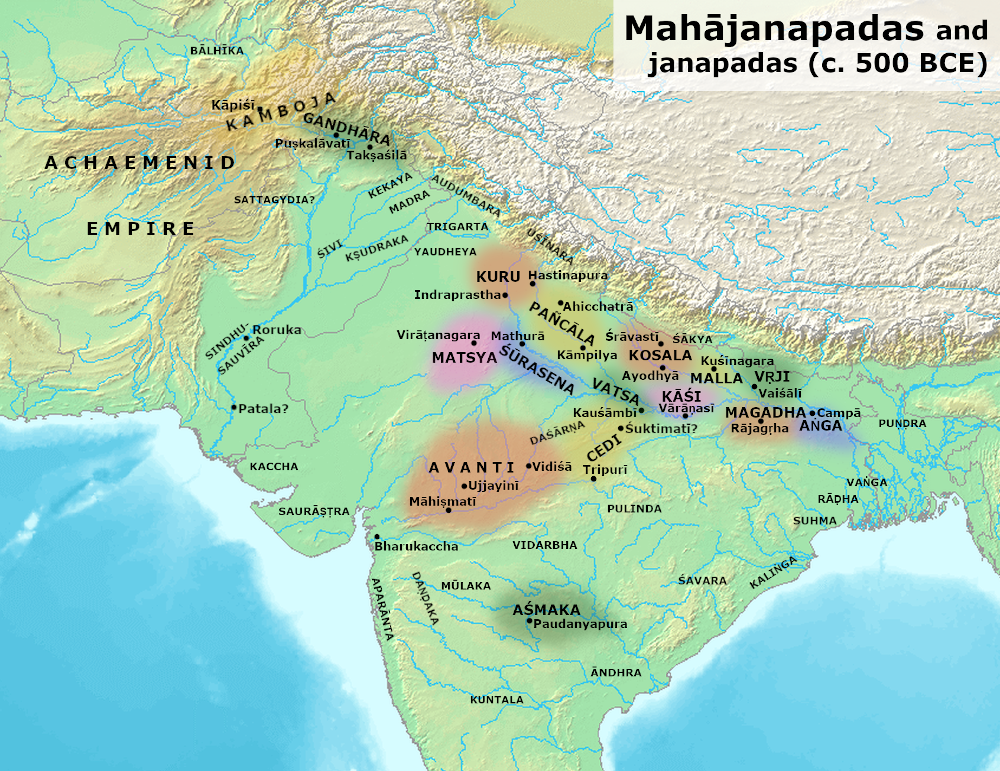
    📍 Map: Mahajanapadas (c. 500 BCE)

    Click on the map to zoom in and explore the ancient kingdoms where these events took place

    Map of Mahajanapadas c. 500 BCE showing ancient Indian kingdoms including Kuru where Mahabharata events occurred
    🎯 Key Focus – Kuru Kingdom: The Kuru kingdom, with its capital at Hastinapura, was the primary setting for the Mahabharata conflict between the Kauravas and Pandavas. This kingdom played a crucial role in establishing the ideal of patrilineal succession that spread throughout ancient India.

    Historical Context: The Mahajanapadas period (c. 600-300 BCE) saw the rise of 16 major kingdoms and republics. The Kuru kingdom’s influence on patrilineal succession practices became a model for other kingdoms across the subcontinent.

    Historical Outcome: Ultimately, the conflict ended in a battle, in which the Pandavas emerged victorious. After that, patrilineal succession was proclaimed. While patriliny had existed prior to the composition of the epic, the central story of the Mahabharata reinforced the idea that it was valuable.

    🤔 Critical Thinking Questions:

    Question 1: Why do you think the Mahabharata story was so effective in reinforcing patrilineal succession? What elements of the narrative made it convincing to ancient audiences?
    Question 2: If patrilineal succession wasn’t the only system available, what other methods of choosing rulers might have existed in ancient India? What would be the advantages and disadvantages of each?
    👨‍👦

    Understanding Patrilineal Succession

    Under patriliny, sons could claim the resources (including the throne in the case of kings) of their fathers when the latter died. Most ruling dynasties (c. sixth century BCE onwards) claimed to follow this system, although there were variations in practice.

    👨‍👦 Standard Practice

    Sons inherited their father’s resources and throne when he died – this became the ideal system for royal succession.

    👥 Brother Succession

    Sometimes there were no sons, so brothers succeeded one another in the royal line.

    🤝 Kinsmen Claims

    In some situations, other kinsmen claimed the throne when direct succession wasn’t possible.

    👸 Exceptional Women

    In very exceptional circumstances, women such as Prabhavati Gupta exercised power and ruled.

    Succession Type Description Frequency Examples
    Father to Son Direct patrilineal succession Most common Standard royal practice
    Brother to Brother When no sons available Common alternative Dhritarashtra after Pandu
    Other Kinsmen Extended family claims Occasional Cousin claims in Mahabharata
    Women Rulers Exceptional circumstances Very rare Prabhavati Gupta
    🏛️

    Beyond Royal Families

    The concern with patriliny was not unique to ruling families. It is evident in mantras in ritual texts such as the Rigveda. It is possible that these attitudes were shared by wealthy men and those who claimed high status, including Brahmanas.

    1

    Royal Families

    Kings and ruling dynasties used patriliny to maintain power and legitimacy

    2

    Wealthy Merchants

    Rich families used patrilineal inheritance to preserve wealth and property

    3

    Brahmanas

    Priestly families maintained ritual knowledge and status through father-to-son transmission

    4

    High Status Groups

    Those claiming social superiority adopted patrilineal practices to maintain their position

    Social Impact: Patriliny became a marker of high status and respectability. The system reinforced male authority and created clear lines of inheritance that helped maintain social hierarchies across generations.

    🤔 Social Analysis Questions:

    Question 3: How did the adoption of patrilineal succession by different social groups (royalty, merchants, Brahmanas) help maintain and strengthen social hierarchies in ancient India?
    Question 4: What were the long-term consequences of patrilineal succession for women’s status in ancient Indian society? Consider both immediate effects and broader social implications.
    📜 Source 1: Producing “Fine Sons”

    Here is an excerpt of a mantra from the Rigveda, which was probably inserted in the text c. 1000 BCE, to be chanted by the priest while conducting the marriage ritual. It is used in many Hindu weddings even today:

    “I free her from here, but not from there. I have bound her firmly there, so that through the grace of Indra she will have fine sons and be fortunate in her husband’s love.”

    Context: Indra was one of the principal deities, a god of valour, warfare and rain. “Here” and “there” refer to the father’s and husband’s house respectively.

    🤔 Critical Analysis Question:

    Question: In the context of the mantra, discuss the implications of marriage from the point of view of the bride and groom. Are the implications identical, or are there differences?
    ⚔️ Source 2: Why Kinfolk Quarrelled

    This is an excerpt from the Adi Parvan (literally, the first section) of the Sanskrit Mahabharata, describing why conflicts arose amongst the Kauravas and Pandavas:

    “The Kauravas were the sons of Dhritarashtra, and the Pandavas were their cousins. Since Dhritarashtra was blind, his younger brother Pandu ascended the throne of Hastinapura… However, after the premature death of Pandu, Dhritarashtra became king, as the royal princes were still very young.

    As the princes grew up together, the citizens of Hastinapura began to express their preference for the Pandavas, for they were more capable and virtuous than the Kauravas. This made Duryodhana, the eldest of the Kauravas, jealous.

    He approached his father and said, ‘You yourself did not receive the throne, although it fell to you, because of your defect. If the Pandava receives the patrimony from Pandu, his son will surely inherit it in turn, and so will his son, and his. We ourselves with our sons shall be excluded from the royal succession and become of slight regard in the eyes of the world, lord of the earth!’”

    Important Note: Passages such as these may not have been literally true, but they give us an idea about what those who wrote the text thought. Sometimes, as in this case, they contain conflicting ideas.

    🤔 Critical Analysis Question:

    Question: Read the passage and list the different criteria suggested for becoming king. Of these, how important was birth in a particular family? Which of these criteria seem justified? Are there any that strike you as unjust?
    💡

    Key Takeaways: The Ideal of Patriliny

    📚 Epic Reinforcement

    The Mahabharata story reinforced the value of patrilineal succession through its narrative of conflict and resolution.

    👑 Royal Practice

    Most ruling dynasties from the 6th century BCE onwards claimed to follow patrilineal succession, with some variations.

    🏛️ Social Spread

    Patriliny extended beyond royal families to wealthy merchants, Brahmanas, and other high-status groups.

    ⚖️ Conflicting Ideas

    Ancient texts reveal tensions between hereditary rights and merit-based leadership, showing complex attitudes toward succession.

    Historical Significance: The ideal of patriliny became a cornerstone of ancient Indian social organization, influencing not just political succession but also family structures, inheritance patterns, and gender roles. While it provided stability and clear lines of authority, it also created tensions between hereditary privilege and individual merit that continue to resonate in historical discussions.

    🤔 Comparative & Contemporary Analysis:

    Question 5: Compare the patrilineal succession system described in ancient Indian texts with modern democratic systems of leadership selection. What are the fundamental differences in values and assumptions?
    Question 6: The text mentions that passages in the Mahabharata “may not have been literally true” but give us ideas about what people thought. How should historians approach such sources? What can we learn from them despite their limitations?
    Question 7: The text suggests that patrilineal succession became more important over time. What factors might have driven this change? Why might earlier societies have been more flexible about succession rules?
  • 2.1 Finding out about families

    Kinship and Marriage – Class XII History

    Kinship, Caste and Class

    Early Societies in Ancient India

    👨‍👩‍👧‍👦 Topic 02: Kinship and Marriage – Many Rules and Varied Practices
    📅 600 BCE – 600 CE
    👨‍👩‍👧‍👦

    2.1 Finding Out About Families

    We often take family life for granted. However, you may have noticed that not all families are identical: they vary in terms of numbers of members, their relationship with one another as well as the kinds of activities they share.

    What Makes a Family: Often people belonging to the same family share food and other resources, and live, work and perform rituals together. Families are usually parts of larger networks of people defined as relatives, or to use a more technical term, kinfolk.

    🏠 Family Structure

    Families vary in size, relationships, and shared activities – from nuclear units to extended networks of kinfolk.

    🤝 Shared Resources

    Family members typically share food, resources, living spaces, work responsibilities, and ritual practices.

    🌐 Kinship Networks

    Families are part of larger networks called kinfolk – extended relationships beyond immediate family.

    🔗

    Understanding Kinship Relations

    While familial ties are often regarded as “natural” and based on blood, they are defined in many different ways. For instance, some societies regard cousins as being blood relations, whereas others do not.

    Relationship Type Definition Cultural Variation
    Blood Relations Relationships based on biological connection Different societies define “blood” relationships differently
    Cousins Children of aunts and uncles Some societies consider them siblings, others don’t
    Extended Family Relatives beyond immediate family Varies greatly in scope and importance across cultures
    Cultural Perspective: What we consider “natural” family relationships are actually culturally defined. Different societies have different rules about who counts as family and how close these relationships are considered to be.
    🔍

    Historical Challenges in Studying Families

    For early societies, historians can retrieve information about elite families fairly easily; it is, however, far more difficult to reconstruct the familial relationships of ordinary people.

    1

    Elite Families

    Information about royal and wealthy families is well-documented in texts, inscriptions, and records

    2

    Ordinary People

    Common people’s family structures are much harder to reconstruct due to lack of written records

    3

    Attitudes & Ideas

    Historians study attitudes towards family and kinship to understand people’s thinking

    4

    Actions & Changes

    Ideas shaped actions, and actions led to changes in attitudes over time

    Historical Insight: Historians also investigate and analyse attitudes towards family and kinship. These are important, because they provide an insight into people’s thinking; it is likely that some of these ideas would have shaped their actions, just as actions may have led to changes in attitudes.
    📚

    Terms for Family and Kin in Sanskrit

    Sanskrit texts use specific terminology to describe different aspects of family and kinship relationships. Understanding these terms helps us comprehend how ancient Indian society organized family structures.

    🏠 Kula

    Meaning: Families
    Usage: Sanskrit texts use this term to designate the immediate family unit and household

    🤝 Jnati

    Meaning: Kinfolk
    Usage: Refers to the larger network of relatives beyond the immediate family

    🌳 Vamsha

    Meaning: Lineage
    Usage: Describes the ancestral line and genealogical descent through generations

    Sanskrit Term English Translation Scope Significance
    Kula Family Immediate household Basic social and economic unit
    Jnati Kinfolk Extended relatives Broader support network and social identity
    Vamsha Lineage Ancestral line Hereditary status and property rights
    Terminology Importance: These Sanskrit terms reveal how ancient Indian society conceptualized different levels of family relationships – from the immediate household (kula) to extended kinship networks (jnati) to ancestral lineages (vamsha). Each term carried specific social, economic, and ritual significance.

    🤔 Critical Thinking Questions

    Question 1: Why do different societies define family relationships differently?
    Question 2: Why is it harder for historians to study ordinary people’s families compared to elite families?
    Question 3: How do the Sanskrit terms kula, jnati, and vamsha reflect different aspects of family organization?
    Question 4: Why is studying attitudes towards family and kinship important for historians?
    💡

    Key Takeaways: Understanding Kinship and Family

    🏠 Family Diversity

    Families vary greatly in structure, size, and relationships – there’s no single “natural” family form.

    🌍 Cultural Construction

    Kinship relationships are culturally defined, not just biological – different societies have different rules.

    📚 Historical Challenges

    Elite families are easier to study than ordinary people due to better documentation and records.

    🔗 Sanskrit Terminology

    Terms like kula, jnati, and vamsha reveal how ancient Indians organized different levels of family relationships.

    Important Understanding: Family and kinship systems are not universal or “natural” but are shaped by cultural, economic, and social factors. Studying these systems helps us understand how societies organize themselves and how people’s ideas about family influence their actions and social structures. The interaction between attitudes and practices creates dynamic, changing family systems over time.
  • 1. The Critical Edition of the Mahabharata

    The Critical Edition of the Mahabharata – Class XII History

    Kinship, Caste and Class

    Early Societies in Ancient India

    📚 Topic 01: The Critical Edition of the Mahabharata
    📅 600 BCE – 600 CE
    🎯

    The Ambitious Scholarly Project

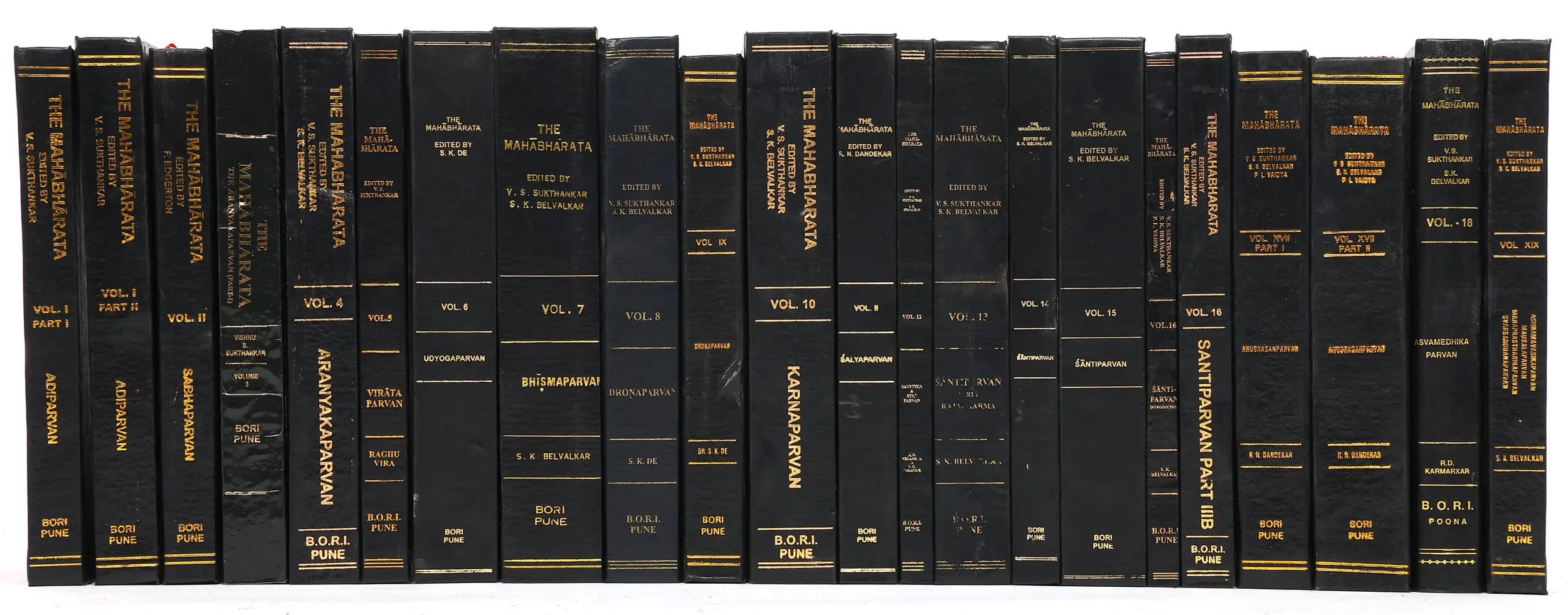
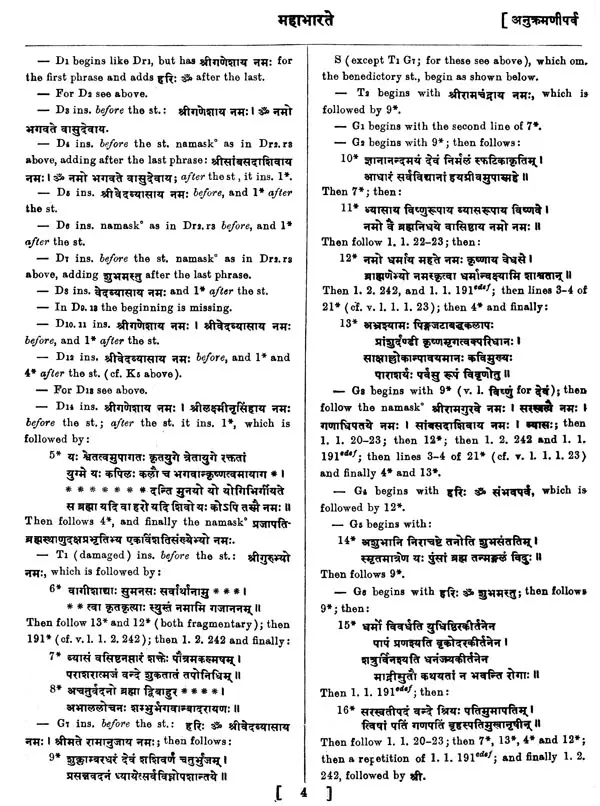
    One of the most ambitious projects of scholarship began in 1919, under the leadership of a noted Indian Sanskritist, V.S. Sukthankar. A team comprising dozens of scholars initiated the task of preparing a critical edition of the Mahabharata.

    1919
    Project Started
    47
    Years to Complete
    13,000+
    Pages Published
    50%+
    Devoted to Variations
    👨‍🎓

    V.S. Sukthankar: The Project Leader

    V.S. Sukthankar - Indian Sanskritist
    V.S. Sukthankar (1887-1943)
    Leading Indian Sanskritist

    Vishnu Sitaram Sukthankar was a renowned Indian Sanskritist who led this monumental project. His vision was to create a definitive version of the Mahabharata by systematically comparing manuscripts from across the Indian subcontinent.

    Leadership Vision: Sukthankar understood that the Mahabharata existed in numerous versions across different regions. His goal was to identify the common core while documenting the rich regional variations that had developed over centuries.
    📜

    The Critical Edition Process

    What exactly did this involve? The process was methodical and comprehensive, requiring careful analysis of manuscripts from across the subcontinent.

    1

    Manuscript Collection

    Collecting Sanskrit manuscripts written in various scripts from different parts of the country

    2

    Comparative Analysis

    Working out methods to compare verses from each manuscript systematically

    3

    Common Elements

    Selecting verses that appeared common to most versions for the main text

    4

    Documentation

    Recording regional variations in detailed footnotes and appendices

    🗺️

    Manuscript Sources Across India

    Kashmir & Nepal (North)
    Central Regions
    Kerala & Tamil Nadu (South)

    Initially, it meant collecting Sanskrit manuscripts of the text, written in a variety of scripts, from different parts of the country. The geographical spread was remarkable – from Kashmir and Nepal in the north to Kerala and Tamil Nadu in the south.

    🔍

    Key Findings of the Project

    🌏 Common Elements

    Several common elements in Sanskrit versions were evident in manuscripts found all over the subcontinent, showing a shared textual tradition.

    🎭 Regional Variations

    Enormous regional variations in text transmission over centuries, reflecting local cultural influences and interpretations.

    📊 Documentation Scale

    More than half of the 13,000 pages were devoted to documenting these variations in footnotes and appendices.

    Significance of Variations: These variations are reflective of the complex processes that shaped early (and later) social histories – through dialogues between dominant traditions and resilient local ideas and practices. These dialogues are characterised by moments of conflict as well as consensus.
    📚

    Impact on Historical Understanding

    Our understanding of these processes is derived primarily from texts written in Sanskrit by and for Brahmanas. The critical edition project revealed important insights about how we should approach these sources.

    Period Approach to Texts Understanding
    19th-20th Century (Early) Took Sanskrit texts at face value Believed everything prescribed was actually practiced
    Later Scholarship Studied other traditions (Pali, Prakrit, Tamil) Found that normative texts were authoritative but also questioned
    Modern Understanding Critical analysis of multiple sources Recognized that ideas were sometimes rejected or modified
    Critical Insight: When issues of social history were explored for the first time by historians in the nineteenth and twentieth centuries, they tended to take these texts at face value. Subsequently, scholars began studying other traditions, revealing that normative Sanskrit texts were recognized as authoritative but were also questioned and occasionally even rejected.

    🤔 Critical Thinking Questions

    Question 1: Why was it important to collect manuscripts from different regions of India?
    Question 2: What do the regional variations in the Mahabharata tell us about early Indian society?
    Question 3: How did the approach to studying Sanskrit texts change over time?
    Question 4: What challenges did the scholars face in creating the critical edition?
    💡

    Key Takeaways for Historical Study

    🔍 Critical Analysis

    Always examine who wrote a text, for whom, and in what context rather than accepting it at face value.

    🌐 Multiple Perspectives

    Study texts from different traditions and languages to get a complete picture of social practices.

    ⚖️ Theory vs Practice

    Distinguish between normative prescriptions and actual social practices in historical sources.

    🗺️ Regional Diversity

    Recognize that ancient India was diverse, with local variations in how traditions were understood and practiced.

    Important Reminder: It is important to keep this in mind as we examine how historians reconstruct social histories. The critical edition project demonstrates the complexity of understanding ancient societies and the need for careful, systematic analysis of multiple sources.
  • Introductory Box of Theme 03. Kinship, Caste and Class

    Kinship, Caste and Class: Early Societies (600 BCE-600 CE)

    Kinship, Caste and Class

    Early Societies in Ancient India

    📅 600 BCE – 600 CE
    🏛️

    Introduction

    In the previous chapter we saw that there were several changes in economic and political life between c. 600 BCE and 600 CE. Some of these changes influenced societies as well. For instance, the extension of agriculture into forested areas transformed the lives of forest dwellers; craft specialists often emerged as distinct social groups; the unequal distribution of wealth sharpened social differences.

    📚

    Understanding Social Changes

    🌲 Agricultural Extension

    Agriculture expanded into forested areas, transforming the lives of forest dwellers

    🔨 Craft Specialization

    Craft specialists emerged as distinct social groups with unique identities

    💰 Wealth Distribution

    Unequal distribution of wealth sharpened social differences and hierarchies

    📜

    Historical Sources

    Historians often use textual traditions to understand these processes. Some texts lay down norms of social behaviour; others describe and occasionally comment on a wide range of social situations and practices. We can also catch a glimpse of some social actors from inscriptions.

    📖

    Normative Texts

    Texts that lay down norms of social behaviour

    📝

    Descriptive Texts

    Texts describing social situations and practices

    🗿

    Inscriptions

    Stone inscriptions revealing social actors

    Critical Analysis: Each text and inscription was written from the perspective of specific social categories. We need to consider who composed what and for whom, the language used, and how the text circulated.
    ⚔️

    The Mahabharata: A Rich Source

    In focusing on the Mahabharata, a colossal epic running in its present form into over 100,000 verses with depictions of a wide range of social categories and situations, we draw on one of the richest texts of the subcontinent.

    500 BCE
    Composition Period
    1000 Years
    100,000+ Verses

    📚 Epic Scale

    Over 100,000 verses making it one of the longest epic poems in the world

    ⏳ Long Composition

    Composed over 1,000 years (c. 500 BCE onwards)

    👥 Social Diversity

    Depicts a wide range of social categories and situations

    ⚔️ Central Story

    About two sets of warring cousins – the Pandavas and Kauravas

    Key Features: The text contains sections laying down norms of behaviour for various social groups. Some stories may have been in circulation even before 500 BCE, showing the epic’s deep historical roots.

    🤔 Think About It

    Question 1: What does conformity with norms and deviations from them signify?
    Question 2: Why is it important to know who composed a text and for whom?
    Question 3: How did economic changes influence social structures?
    🎯

    Key Learning Objectives

    📖 Analyze Historical Sources

    Learn to critically examine texts and inscriptions

    🏛️ Understand Social Changes

    Explore how economic changes affected society

    ⚔️ Study the Mahabharata

    Use epic literature as historical evidence

    💡

    Interactive Exploration

    🏘️ Social Groups in Early India

    Forest Dwellers

    Communities living in forested areas who were affected by agricultural expansion

    Craft Specialists

    Artisans who developed specialized skills and formed distinct occupational groups

    Agricultural Communities

    Farmers who expanded cultivation into new areas, transforming landscapes

    Merchant Classes

    Traders who emerged due to increased economic activity and surplus production

    💰 Economic Transformations

    Agricultural Expansion

    Clearing of forests for cultivation, leading to settled agriculture and surplus production

    Craft Production

    Development of specialized crafts like metalworking, pottery, and textile production

    Trade Networks

    Growth of local and long-distance trade, connecting different regions

    Wealth Accumulation

    Concentration of wealth in certain groups, leading to social stratification

    📚 Understanding Our Sources

    Dharma Texts

    Prescriptive texts outlining ideal social behavior and duties

    Epic Literature

    Stories like the Mahabharata that reflect social practices and values

    Royal Inscriptions

    Stone inscriptions by rulers documenting grants and social hierarchies

    Buddhist Texts

    Religious literature providing alternative perspectives on society