Blog

  • Class 12th – History – Chapter 01. ईंटें , मनके तथा अस्थियाँ (हड़प्पा सभ्यता) – Bricks, Beads and Bones (Harappan Civilization)

    ईंटें, मनके और अस्थियाँ – हड़प्पा सभ्यता (संपूर्ण अध्ययन नोट्स)
    कक्षा 12 – इतिहास (अध्याय 1)

    ईंटें, मनके और अस्थियाँ हड़प्पा सभ्यता (Harappan Civilization)

    मास्टर करिकुलम डिज़ाइनर द्वारा तैयार गहन नोट्स: विशिष्ट पुरावस्तुओं से लेकर सभ्यता के पतन तक का विस्तृत अध्ययन।

    2600-1900
    ईसा पूर्व (परिपक्व काल)
    2/3
    बस्तियाँ सरस्वती बेसिन में
    4:2:1
    ईंटों का अनुपात
    375-400
    लिपि के चिह्न

    मुख्य अवधारणाएँ, शर्तें, स्थान और समय

    Introductory Concepts, Terms, Place & Time

    हड़प्पा सभ्यता (जिसे सिंधु घाटी सभ्यता भी कहा जाता है) के इतिहास का निर्माण मुख्य रूप से पुरातात्विक साक्ष्यों के आधार पर किया गया है। चूँकि इस सभ्यता की लिपि को अभी तक पढ़ा नहीं जा सका है, इसलिए हमें उन भौतिक अवशेषों पर निर्भर रहना पड़ता है जो पत्थर, मिट्टी और धातु के रूप में पीछे छूट गए हैं।

    विशिष्ट पुरावस्तु: हड़प्पाई मुहर (Seal)

    • सामग्री: सेलखड़ी (Steatite) नामक मुलायम पत्थर।
    • विशेषता: जानवरों के चित्र (जैसे एकश्रृंगी) और एक रहस्यमयी लिपि के चिह्न।
    • महत्व: यह संभवतः लंबी दूरी के व्यापार और विनिमय को सुविधाजनक बनाने के लिए प्रयुक्त होती थी।
    हड़प्पाई मुहर

    चित्र 1.1: एक हड़प्पाई मुहर

    इतिहास जानने के स्रोत

    लेखन साक्ष्य उपलब्ध होने के बावजूद अपठनीय हैं, अतः हम इन पर निर्भर हैं:

    आवास (Houses) मृदभाण्ड (Pots) आभूषण (Ornaments) औज़ार (Tools) ईंटें (Bricks)

    शब्दावली और कालक्रम (Terms & Chronology)

    सभ्यता का नामकरण
    • हड़प्पा सभ्यता: ‘हड़प्पा’ नामक स्थान पर पहली बार खोजे जाने के कारण।
    • सिंधु घाटी सभ्यता: सिंधु नदी घाटी के क्षेत्र में मुख्य बस्तियों के कारण।
    तिथियाँ (Abbreviations)
    • BP: Before Present (वर्तमान से पहले)।
    • BCE (ई.पू.): Before Common Era (ईसा पूर्व)।
    • CE (ई.): Common Era (ईसा मसीह के जन्म से)।
    संस्कृति (Culture)
    पुरातत्वविद ‘संस्कृति’ शब्द का प्रयोग पुरावस्तुओं के ऐसे समूह के लिए करते हैं जो एक विशिष्ट शैली की होती हैं और एक विशेष काल तथा भौगोलिक क्षेत्र से संबद्ध होती हैं।
    आरंभिक चरण
    प्रारंभिक हड़प्पा
    6000 – 2600 ई.पू.

    कृषि, पशुपालन और शिल्पकारी के शुरुआती साक्ष्य।

    FOCUS
    शहरी चरण
    परिपक्व हड़प्पा
    2600 – 1900 ई.पू.

    विशिष्ट मृदभांड, ईंटें, नगर नियोजन, मुहरें।

    पतन का चरण
    उत्तर हड़प्पा
    1900 – 1300 ई.पू.

    शहरी विशेषताओं का लुप्त होना, ग्रामीण जीवन।

    भौगोलिक विस्तार (Geographical Extent)

    इस सभ्यता का विस्तार क्षेत्र अत्यंत व्यापक था। इसमें विशिष्ट वस्तुएँ (जैसे मुहरें, बाट, पकी ईंटें) एक विशाल भू-भाग में मिली हैं:

    अफ़गानिस्तान
    जम्मू
    बलूचिस्तान (पाक)
    सिंध (पाक)
    पंजाब (पाक & भारत)
    हरियाणा & राजस्थान
    पश्चिमी उत्तर प्रदेश
    गुजरात & महाराष्ट्र

    निर्वाह के तरीके और कृषि प्रौद्योगिकी

    Subsistence Strategies & Agricultural Technology

    1. आहार संबंधी आदतें (Dietary Habits)

    हड़प्पा सभ्यता के निवासी कई प्रकार के पेड़-पौधों से प्राप्त उत्पाद और जानवरों (मछली सहित) से प्राप्त भोजन करते थे।

    पेड़-पौधों से प्राप्त उत्पाद (Plants)

    • अनाज: गेहूँ, जौ, दाल, सफ़ेद चना तथा तिल।
    • बाजरा: गुजरात के स्थलों से इसके दाने बड़ी मात्रा में मिले हैं।
    • चावल: चावल के दाने अपेक्षाकृत बहुत कम पाए गए हैं।

    जानवरों से प्राप्त उत्पाद (Animals)

    • पालतू जानवर: मवेशी, भेड़, बकरी, भैंस तथा सूअर।
    • जंगली प्रजातियाँ: वराह (सूअर), हिरण तथा घड़ियाल (इनकी हड्डियाँ मिली हैं)।
    • अन्य: मछली तथा पक्षियों की हड्डियाँ भी मिली हैं।
    पुरा-वनस्पतिज्ञ (Archaeo-botanists): वनस्पति अध्ययन के विशेषज्ञ।
    पुरा-प्राणीविज्ञानी (Archaeo-zoologists): जानवरों की हड्डियों के विशेषज्ञ।

    2. कृषि प्रौद्योगिकी (Agricultural Technology)

    V. IMP

    जुताई (Ploughing)

    • वृषभ (Bull): मुहरों और मृण्मूर्तियों से संकेत मिलता है कि वृषभ ज्ञात था और खेतों को जोतने के लिए बैलों का प्रयोग होता था।
    • हल के प्रतिरूप (Models): चोलिस्तान के कई स्थलों और बनावली (हरियाणा) से मिट्टी के बने हल के प्रतिरूप मिले हैं।
    • जुते हुए खेत का साक्ष्य (Kalibangan) आरंभिक हड़प्पा स्तर

      पुरातत्वविदों को राजस्थान के कालीबंगन में जुते हुए खेत (Ploughed Field) के साक्ष्य मिले हैं। यह कृषि इतिहास का एक अत्यंत महत्वपूर्ण प्रमाण है।

      तकनीकी विन्यास (Layout):
      • खेत में हल रेखाओं (Furrow marks) के दो समूह विद्यमान थे।
      • ये रेखाएँ एक-दूसरे को समकोण (Right Angles) पर काटती थीं।
      महत्वपूर्ण निष्कर्ष: यह ग्रिड पैटर्न दर्शाता है कि हड़प्पावासी मिश्रित खेती (Mixed Cropping) की तकनीक जानते थे और एक ही खेत में एक साथ दो अलग-अलग फसलें (जैसे सरसों और चना) उगाते थे।

    सिंचाई (Irrigation)

    महत्वपूर्ण कारण: अधिकांश हड़प्पा स्थल अर्ध-शुष्क क्षेत्रों (Semi-arid lands) में स्थित हैं, जहाँ कृषि के लिए केवल बारिश पर्याप्त नहीं थी, इसलिए सिंचाई आवश्यक थी।

    नहरें (Canals)
    • साक्ष्य: शोर्तुघई (अफ़गानिस्तान) से नहरों के स्पष्ट अवशेष मिले हैं।
    • अनुपस्थिति: पंजाब और सिंध में नहरें नहीं मिलीं।
    • कारण (पुरातत्वविदों का मत): संभवतः प्राचीन नहरें बहुत पहले ही गाद (Silt) से भर गई थीं।
    जलाशय (Reservoirs) धौलावीरा (गुजरात) में मिले भव्य पत्थर के जलाशयों का प्रयोग संभवतः कृषि के लिए जल संचयन (Water Harvesting) हेतु किया जाता था।
    कुएँ (Wells) ऐसा भी संभव है कि कुओं से प्राप्त पानी का प्रयोग सिंचाई के लिए किया जाता था।

    कटाई के औज़ार (Harvesting Tools)

    पुरातत्वविद अभी भी निश्चित नहीं हैं कि फसल कटाई के लिए किन औजारों का प्रयोग होता था। क्या वे लकड़ी के हत्थों में बिठाए गए पत्थर के फलकों का प्रयोग करते थे या धातु के औज़ारों का? (तांबे के औजार भी मिले हैं)।

    अनाज पीसने के यंत्र: अवतल चक्कियाँ (Saddle Querns)

    मोहनजोदड़ो में अवतल चक्कियाँ बड़ी संख्या में मिली हैं। ये कठोर, कंकरीले, अग्निज अथवा बलुआ पत्थर से निर्मित थीं। चूंकि इनके तल उत्तल हैं, इन्हें जमीन में जमा कर रखा जाता था।

    1. पीसने वाली चक्कियाँ जिन पर दूसरा छोटा पत्थर आगे-पीछे चलाया जाता था (अनाज पीसने के लिए)।
    2. सालन/कूटना पत्थर जड़ी-बूटियों और मसालों को कूटने के लिए (Curry Stones)।
    रोचक तथ्य (स्रोत 1): अर्नेस्ट मैके ने लिखा है कि ‘सालन पत्थर’ (Curry Stone) का प्रकार इतना आधुनिक दिखता था कि संग्रहालय के बावर्ची ने रसोई में प्रयोग के लिए इसे उधार माँग लिया था।

    सामाजिक भिन्नताओं का अवलोकन

    Strategies to Find Social Differences

    1 शवाधानों का अध्ययन (Study of Burials)

    “मिस्र के पिरामिडों (जो हड़प्पा के समकालीन थे) में राजकीय धन-संपत्ति दफनाई जाती थी, लेकिन हड़प्पा में ऐसा नहीं था।”

    • गर्त की बनावट (Pits): मृतकों को गर्तों में दफनाया जाता था। कुछ गर्तों की सतह पर ईंटों की चिनाई मिली है, जो संभवतः सामाजिक भिन्नता का संकेत हो सकती है।
    • आभूषण (Ornaments): पुरुष और महिला दोनों के कंकालों के पास आभूषण मिले हैं।
      साक्ष्य (1980 के दशक में हड़प्पा): एक पुरुष की खोपड़ी के पास शंख के तीन छल्ले, जैस्पर (उपरत्न) के मनके और सैकड़ों सूक्ष्म मनकों का आभूषण मिला।
    • कुछ कब्रों में तांबे के दर्पण (Copper Mirrors) भी मिले हैं।
    निष्कर्ष: हड़प्पावासी मृतकों के साथ बहुमूल्य वस्तुएँ दफनाने में विश्वास नहीं रखते थे।

    2 ‘विलासिता’ की वस्तुओं की खोज

    पुरातत्वविदों ने पुरावस्तुओं को दो वर्गों में वर्गीकृत किया है:

    A. उपयोगी वस्तुएँ (Utilitarian)

    रोज़मर्रा के उपयोग की वस्तुएँ जो पत्थर या मिट्टी जैसे सामान्य पदार्थों से बनी थीं।
    उदाहरण: चक्कियाँ, मृदभांड, सुइयां, झाँवा (flesh-rubbers)। ये बस्तियों में सर्वत्र मिलती हैं।

    B. विलास की वस्तुएँ (Luxuries)

    महँगी, दुर्लभ, स्थानीय स्तर पर अनुपलब्ध पदार्थों से या जटिल तकनीकों से बनी वस्तुएँ।

    उदाहरण: फ़यॉन्स (Faience) के पात्र निर्माण: घिसी हुई रेत/बालू + रंग + गोंद -> पकाया गया। इसे बनाना कठिन था। संभवतः सुगंधित द्रव्यों के पात्र थे।
    वितरण (Distribution): महँगी वस्तुएँ केवल बड़ी बस्तियों (मोहनजोदड़ो, हड़प्पा) में मिली हैं, छोटी बस्तियों (कालीबंगन) में नहीं।

    वर्गीकरण की समस्या

    यदि फ़यॉन्स (दुर्लभ पदार्थ) से बनी तकलियाँ (Spindle whorls – रोजमर्रा की वस्तु) मिलती हैं, तो पुरातत्वविद दुविधा में पड़ जाते हैं कि इसे ‘उपयोगी’ माना जाए या ‘विलास’ की वस्तु।

    संचय (Hoards)

    सावधानीपूर्वक पात्रों (घड़ों) में दबाकर रखी गई वस्तुएँ। अधिकांश स्वर्णाभूषण संचयों से ही मिले हैं। यह दर्शाता है कि सोना अत्यंत कीमती था।

    शिल्प उत्पादन के विषय में जानकारी

    Craft Production Centers & Techniques

    केस स्टडी

    चन्हुदड़ो (Chanhudaro): एक विशिष्ट शिल्प केंद्र

    यह मोहनजोदड़ो (125 हेक्टेयर) की तुलना में एक बहुत छोटी बस्ती (मात्र 7 हेक्टेयर) थी, जो लगभग पूरी तरह से शिल्प-उत्पादन में संलग्न थी।

    मनके बनाना शंख की कटाई धातु-कर्म मुहर निर्माण बाट बनाना

    1. मनकों के निर्माण में प्रयुक्त पदार्थ

    पत्थर (Stones)
    • कार्नीलियन: सुंदर लाल रंग का।
    • जैस्पर (Jasper)
    • स्फटिक (Crystal)
    • क्वार्ट्ज़ (Quartz)
    • सेलखड़ी (Steatite): बहुत मुलायम।
    धातुएँ (Metals)
    • ताँबा (Copper)
    • काँसा (Bronze)
    • सोना (Gold)
    अन्य पदार्थ
    • शंख (Shell)
    • फ़यॉन्स (Faience)
    • पकी मिट्टी (Terracotta)

    आकार: चक्राकार, बेलनाकार, गोलाकार, ढोलाकार तथा खंडित। कुछ को चित्रकारी से सजाया गया था।

    2. निर्माण की तकनीकें (Techniques)

    कार्नीलियन का लाल रंग

    यह रंग पीले रंग के कच्चे माल तथा उत्पादन के विभिन्न चरणों में मनकों को आग में पकाकर प्राप्त किया जाता था।

    प्रक्रिया: बड़े पिंड को तोड़ना -> शल्क निकालना -> घिसाई -> पॉलिश -> छेद करना।

    सेलखड़ी (Steatite) की सूक्ष्मता

    यह मुलायम पत्थर है। कुछ मनके इसके चूर्ण के लेप को साँचे में ढालकर बनाए जाते थे, जिससे विविध आकार संभव हुए (ठोस पत्थरों के ज्यामितीय आकारों के विपरीत)।

    नोट: प्राचीन तकनीक विशेषज्ञ अभी भी हैरान हैं कि ‘सूक्ष्म मनके’ कैसे बनाए जाते थे।

    छेद करने के विशेष उपकरण: चन्हुदड़ो, लोथल और धौलावीरा से मिले हैं।

    शंख उत्पादन केंद्र (Shell Industry)

    नागेश्वर और बालाकोट: ये बस्तियाँ समुद्र तट के समीप स्थित थीं।

    • उत्पाद: चूड़ियाँ, करछियाँ, पच्चीकारी की वस्तुएँ।
    • यहाँ से तैयार माल दूसरी बस्तियों तक भेजा जाता था।

    उत्पादन केंद्रों की पहचान (Identification)

    पुरातत्वविद ‘कूड़ा-करकट’ (Waste) को शिल्प कार्य का सबसे अच्छा संकेतक मानते हैं।

    पत्थर के बेकार टुकड़े, त्यागा गया माल और अपूर्ण वस्तुएँ बताती हैं कि शिल्प कार्य कहाँ होता था। (यह बड़े शहरों जैसे मोहनजोदड़ो में भी मिला है)।

    माल प्राप्त करने की नीतियाँ

    Strategies for Procuring Materials & Trade

    परिवहन के साधन (Modes of Transport)

    स्थल मार्ग (Land Routes) बैलगाड़ियों के मिट्टी से बने खिलौनों के प्रतिरूप संकेत करते हैं कि यह परिवहन का एक महत्वपूर्ण साधन था।
    जल मार्ग (Water Routes) सिंधु तथा इसकी उपनदियों के नदी-मार्ग और तटीय मार्गों (Coastal routes) का प्रयोग होता था।

    1. उपमहाद्वीप से माल प्राप्त करना (Local Procurement)

    नीति (क): बस्तियाँ स्थापित करना (Establishing Settlements)

    हड़प्पावासी उन स्थानों पर बस्तियाँ बसाते थे जहाँ कच्चा माल आसानी से उपलब्ध था।

    नागेश्वर & बालाकोट शंख (Shell) के लिए (समुद्र तट पर)।
    शोर्तुघई (अफ़गानिस्तान) लाजवर्द मणि (Lapis Lazuli – नीला पत्थर) के लिए।
    लोथल (गुजरात) कार्नीलियन (भड़ौच से), सेलखड़ी (द. राजस्थान से) और धातु।

    नीति (ख): अभियान भेजना (Sending Expeditions)

    उन क्षेत्रों में अभियान भेजना जहाँ बस्तियाँ नहीं थीं, लेकिन संसाधन थे।

    खेतड़ी अंचल (राजस्थान)

    ताँबे (Copper) के लिए। पुरातत्वविदों ने इसे ‘गणेश्वर-जोधपुरा संस्कृति’ का नाम दिया है। यहाँ विशिष्ट गैर-हड़प्पाई मृदभांड और ताँबे की विपुल संपदा मिली है।

    दक्षिण भारत

    मुख्य रूप से सोने (Gold) के लिए अभियान भेजे जाते थे।

    2. सुदूर क्षेत्रों से संपर्क (Contact with Distant Lands)

    ओमान (Magan)

    ताँबे का आयात

    • रासायनिक साक्ष्य: ओमानी ताँबे और हड़प्पाई वस्तुओं, दोनों में निकल (Nickel) के अंश मिले हैं, जो साझा उद्भव दर्शाते हैं।
    • हड़प्पाई मर्तबान (Black Jar): ओमान में एक विशिष्ट हड़प्पाई मर्तबान मिला है जिस पर काली मिट्टी की मोटी परत चढ़ी थी (रिसाव रोकने के लिए)। ]
    • विनिमय: संभवतः हड़प्पावासी इसमें रखे सामान के बदले ताँबा लेते थे।
    मेसोपोटामिया

    लिखित साक्ष्य (3000 ई.पू.)

    मेसोपोटामियाई लेखों में तीन क्षेत्रों का जिक्र है:

    • दिलमुन: बहरीन द्वीप।
    • मगन: ओमान (ताँबे के लिए)।
    • मेलुहा: हड़प्पाई क्षेत्र (“नाविकों का देश”)।
    आयात: कार्नीलियन, लाजवर्द, ताँबा, सोना, लकड़ियाँ।
    हाजा पक्षी (Haja Bird) का मिथक

    “तुम्हारा पक्षी हाजा पक्षी हो, उसकी आवाज़ राजप्रासाद में सुनाई दे।”
    पुरातत्वविदों के अनुसार यह मोर (Peacock) था।

    अन्य पुरातात्विक साक्ष्य
    • मेसोपोटामिया में हड़प्पाई मुहरें, बाट और पासे मिले हैं।
    • बेलनाकार मुहर: मेसोपोटामिया की मुहर पर बना ‘कूबड़दार वृषभ’ सिंधु क्षेत्र से प्रेरित लगता है।

    मुहरें, लिपि और बाट

    Administrative Tools: Seals, Script & Weights

    मुहरें और मुद्रांकन (Seals & Sealing)

    मुहरों का प्रयोग लंबी दूरी के संपर्कों को सुविधाजनक बनाने के लिए होता था।

    सुरक्षा प्रक्रिया (Security Process):
    1. सामान से भरे थैले का मुख रस्सी से बाँधा जाता था।
    2. गाँठ पर थोड़ी गीली मिट्टी जमा कर एक या अधिक मुहरों से दबाया जाता था।
    3. यदि गंतव्य पर पहुँचने तक मुद्रांकन (Sealing) अक्षुण्ण (intact) रहा, तो इसका अर्थ था कि थैले के साथ छेड़-छाड़ नहीं की गई।
    यह प्रेषक की पहचान (Identity) का प्रमाण भी था।

    बाट (Weights)

    • सामग्री: चर्ट (Chert) नामक पत्थर।
    • आकार: आमतौर पर घनाकार (Cubical) और किसी भी निशान से रहित।
    निचले मानदंड (Lower Denominations) द्विआधारी (Binary): 1, 2, 4, 8, 16, 32… 12,800 तक।
    ऊपरी मानदंड (Higher Denominations) दशमलव प्रणाली (Decimal System) का अनुसरण करते थे।

    छोटे बाटों का प्रयोग संभवतः आभूषणों और मनकों को तौलने के लिए होता था। (धातु के तराजू के पलड़े भी मिले हैं)।

    एक रहस्यमय लिपि (Enigmatic Script)

    हड़प्पाई मुहरों पर एक पंक्ति में कुछ लिखा होता है (संभवतः मालिक का नाम)। साथ ही एक जानवर का चित्र होता था (अनपढ़ लोगों के लिए संकेत)।

    विशेषताएँ
    • यह वर्णमालीय नहीं थी (चिह्नों की संख्या बहुत अधिक है)।
    • चिह्नों की संख्या: 375 से 400 के बीच।
    • सबसे लंबा अभिलेख: लगभग 26 चिह्न।
    लिखने की दिशा

    दाएँ से बाएँ (Right to Left)

    साक्ष्य: मुहरों पर दाईं ओर चौड़ा अंतराल है और बाईं ओर संकुचित (स्थान कम पड़ने के कारण)।

    लेखन के साक्ष्य कहाँ मिले?
    मुहरें ताँबे के औजार मर्तबानों के रिम ताँबे/मिट्टी की पट्टिकाएँ आभूषण अस्थि छड़ें प्राचीन सूचना पट्ट (धौलावीरा)

    *क्या साक्षरता व्यापक थी? (नष्टप्राय वस्तुओं पर भी लिखावट हो सकती थी)

    प्राचीन सत्ता (Ancient Authority)

    Political Organization & Decision Making

    जटिल फैसले और कार्यान्वयन के संकेत (Indications of Complex Decisions)

    हड़प्पाई समाज में ऐसे कई संकेत मिलते हैं जो यह दर्शाते हैं कि जटिल निर्णय लिए जाते थे और उन्हें लागू किया जाता था:

    1. असाधारण एकरूपता (Uniformity)

    मृदभांडों, मुहरों, बाटों और ईंटों में।
    ईंटें: जिनका उत्पादन अलग-अलग केंद्रों पर होता था, फिर भी जम्मू से गुजरात तक पूरे क्षेत्र में उनका अनुपात समान (4:2:1) था।

    2. नियोजित बस्तियाँ (Planned Settlements)

    बस्तियाँ रणनीतिक रूप से कच्चे माल के स्रोतों के पास बसाई गई थीं।

    3. संगठित श्रम (Organized Labor)

    ईंटें बनाने और विशाल दीवारों/चबूतरों के निर्माण के लिए श्रम को बड़े पैमाने पर संगठित किया गया था।

    “इन सभी क्रियाकलापों को कौन संगठित करता था?”

    सत्ता का केंद्र: पुरातत्वविदों के विचार

    प्रासाद (Palace)

    मोहनजोदड़ो में मिले एक विशाल भवन को पुरातत्वविदों ने ‘प्रासाद’ की संज्ञा दी।
    परंतु, इससे संबद्ध कोई भव्य वस्तुएँ (Spectacular finds) नहीं मिली हैं।

    पुरोहित-राजा (Priest-King)

    एक पत्थर की मूर्ति (घुटने पर हाथ रखे हुए) को ‘पुरोहित-राजा’ कहा गया।

    नामकरण का कारण: पुरातत्वविद मेसोपोटामिया के इतिहास और वहाँ के ‘पुरोहित-राजाओं’ से परिचित थे और उन्होंने सिंधु क्षेत्र में भी वैसी ही समानताएँ ढूँढ़ीं।

    शासक कौन था? (Three Theories)

    मत 1: कोई शासक नहीं

    हड़प्पाई समाज में सभी की सामाजिक स्थिति समान थी।

    मत 2: कई शासक

    मोहनजोदड़ो, हड़प्पा आदि के अपने अलग-अलग राजा होते थे।

    मत 3: एक ही राज्य

    पुरावस्तुओं में समानता, नियोजित बस्तियाँ और ईंटों के अनुपात के कारण यह मत प्रबल है।

    निष्कर्ष (Conclusion): ऐसा प्रतीत होता है कि हड़प्पावासियों ने एक प्रकार की लोकतांत्रिक प्रणाली (Democratic System) को अपनाया था। क्योंकि उस समय में कुछ भवनों एवं सुविधाओं को लोगों के लिए और लोगों के द्वारा बनाया गया था।

    सभ्यता का अंत (The End of Civilization)

    Decline (c. 1800 BCE) & Theories

    पतन का कालक्रम (Chronology)

    • 1800 ई.पू. तक चोलिस्तान (Cholistan) जैसे क्षेत्रों में अधिकांश विकसित हड़प्पा स्थलों को त्याग दिया गया था।
    • 1900 ई.पू. के बाद गुजरात, हरियाणा और पश्चिमी उत्तर प्रदेश की नई बस्तियों में आबादी बढ़ने लगी।
    • उत्तर हड़प्पा बाद की संस्कृतियों को ‘उत्तर हड़प्पा’ (Late Harappan) या ‘अनुवर्ती संस्कृतियाँ’ कहा गया, जो ग्रामीण जीवनशैली की ओर संकेत करती हैं।

    भौतिक संस्कृति में बदलाव

    • विशिष्ट वस्तुओं का लोप: मुहरें, बाट (Weights), विशिष्ट मनके और लंबी दूरी का व्यापार समाप्त हो गया।
    • लेखन का अंत: लिपि का प्रयोग बंद हो गया।
    • निर्माण में ह्रास: आवास निर्माण की तकनीकें कमजोर हो गईं। बड़ी सार्वजनिक संरचनाओं (जैसे स्नानागार) का निर्माण बंद हो गया।
    • स्थानीय बाट: मानकीकृत बाट प्रणाली के स्थान पर स्थानीय बाटों का प्रयोग होने लगा।

    पतन के संभावित कारण

    ये कारण कुछ बस्तियों के लिए सही हो सकते हैं, परन्तु पूरी सभ्यता के पतन की व्याख्या नहीं करते।

    • जलवायु परिवर्तन (Climate Change)
    • वनों की कटाई (Deforestation)
    • अत्यधिक बाढ़ या नदियों का सूख जाना (जैसे सरस्वती नदी)।
    • एकीकरण का अंत: सबसे प्रबल तर्क यह है कि ‘हड़प्पाई राज्य’ जैसा सुदृढ़ एकीकरण तत्व समाप्त हो गया था।

    आक्रमण का सिद्धांत: एक विवाद (The Invasion Debate)

    क्या आर्यों ने हड़प्पा सभ्यता को नष्ट किया?

    1. सिद्धांत का प्रतिपादन (R.E.M. Wheeler, 1947)

    मोहनजोदड़ो की ‘डेडमेन लेन’ (Deadman Lane) में मिले नरकंकालों को आधार बनाकर व्हीलर ने तर्क दिया कि सभ्यता का अंत एक बाहरी आक्रमण से हुआ।

    तर्क: ऋग्वेद में इंद्र को ‘पुरंदर’ (गढ़-विध्वंसक) कहा गया है। व्हीलर ने इंद्र को ‘अभियुक्त’ माना।
    2. खंडन (George Dales, 1964)

    डेल्स ने सिद्ध किया कि ये अस्थि-पंजर एक ही काल के नहीं थे।

    • विनाश का कोई स्तर (Layer of destruction) नहीं मिला।
    • व्यापक अग्निकांड के चिह्न नहीं हैं।
    • कवचधारी सैनिकों के शव नहीं मिले हैं।
    3. नवीनतम साक्ष्य: राखीगढ़ी DNA (2013-2019)

    राखीगढ़ी (हरियाणा) से प्राप्त कंकाल के DNA विश्लेषण से पता चला कि हड़प्पावासी इस क्षेत्र के मूल निवासी (Indigenous) थे।

    आर्यन आक्रमण खारिज 5000 वर्षों की निरंतरता

    हड़प्पा सभ्यता की खोज (Discovery)

    From Confusion to Clarity

    जब हड़प्पा सभ्यता के शहर नष्ट हो गए, तो लोग धीरे-धीरे उनके विषय में सब कुछ भूल गए। बाद में जब लोगों ने यहाँ ईंटें चुराना या खेती करना शुरू किया, तो उन्हें अपरिचित वस्तुएँ मिलीं, जिनका अर्थ वे समझ नहीं पाए।

    1 कनिंघम का भ्रम (Cunningham’s Confusion)

    • परिचय: अलेक्जेंडर कनिंघम, भारतीय पुरातात्विक सर्वेक्षण (ASI) के पहले डायरेक्टर जनरल।
    • रुचि: उनकी मुख्य रुचि आरंभिक ऐतिहासिक काल (6ठी शताब्दी ई.पू. से 4थी शताब्दी ईस्वी) में थी।
    • मार्गदर्शन: वे लिखित स्रोतों (जैसे चीनी बौद्ध तीर्थयात्रियों के वृत्तांत) का प्रयोग करना पसंद करते थे।
    • गलती क्या हुई? हड़प्पा चीनी यात्रियों के यात्रा-कार्यक्रम (Itinerary) में नहीं था। जब एक अंग्रेज ने उन्हें हड़प्पाई मुहर दी, तो उन्होंने उसे उस काल-खंड (ऐतिहासिक काल) में दिनांकित करने का असफल प्रयास किया जिससे वे परिचित थे। वे हड़प्पा की प्राचीनता को समझ नहीं पाए।

    “उन्होंने सोचा कि भारतीय इतिहास गंगा की घाटी के शहरों के साथ शुरू हुआ था।”

    2 एक नवीन प्राचीन सभ्यता (1920s)

    दया राम साहनी (1921)

    हड़प्पा में मुहरें खोज निकालीं (जो ऐतिहासिक काल से बहुत पुरानी थीं)।

    राखाल दास बनर्जी (1922)

    मोहनजोदड़ो में मुहरें ढूँढ़ीं, जिससे यह सिद्ध हुआ कि दोनों स्थल एक ही संस्कृति के भाग हैं।

    सर जॉन मार्शल (1924)

    ASI के डायरेक्टर जनरल के रूप में, उन्होंने पूरे विश्व के सामने सिंधु घाटी में एक नवीन सभ्यता की खोज की घोषणा की।

    “मार्शल ने भारत को जहाँ पाया था, उसे उससे तीन हज़ार वर्ष पीछे छोड़ा” – एस.एन. राव

    कमी (Methodological Flaw): मार्शल ने टीले के स्तर-विन्यास (Stratigraphy) को अनदेखा कर पूरे टीले में समान परिमाण वाली नियमित क्षैतिज इकाइयों (Horizontal Excavation) में खुदाई की। इससे संदर्भ (Context) की जानकारी हमेशा के लिए नष्ट हो गई।

    पुरातत्व तकनीक: स्तर-विन्यास (Stratigraphy)

    पुरास्थल के टीले (Mounds) क्रमिक परतों (Layers) से बनते हैं।

    • सबसे निचले स्तर = प्राचीनतम (Oldest)
    • सबसे ऊपरी स्तर = नवीनतम (Newest)
    • बंजर स्तर: वह परत जहाँ किसी बसावट के सबूत नहीं मिलते (परित्याग का काल)।

    3 नयी तकनीकें (Wheeler, 1944)

    आर.ई.एम. व्हीलर (R.E.M. Wheeler)

    इन्होंने मार्शल की गलती सुधारी। उन्होंने पहचाना कि एकसमान क्षैतिज इकाइयों के बजाय टीले के स्तर-विन्यास (Stratigraphy) का अनुसरण करना आवश्यक था।

    सैनिक परिशुद्धता (Military Precision)

    विभाजन का प्रभाव (Post-1947)

    चूँकि हड़प्पा और मोहनजोदड़ो पाकिस्तान में चले गए, भारतीय पुरातत्वविदों ने भारत में नए स्थलों को ढूँढा:

    कच्छ (गुजरात) पंजाब हरियाणा (राखीगढ़ी)

    आधुनिक अन्वेषण (1980s onwards)

    अब अंतर्राष्ट्रीय सहयोग से सतह अन्वेषण (Surface Exploration) और वैज्ञानिक तकनीकों (मिट्टी/पत्थर/वनस्पति अवशेषों का सूक्ष्म विश्लेषण) पर जोर दिया जा रहा है।

    अतीत को जोड़कर पूरा करने की समस्याएँ

    Problems of Piecing Together the Past

    1. क्या बचता है? (The Survival Issue)

    पुरातत्व केवल भौतिक अवशेषों पर निर्भर है। समस्या यह है कि जैविक पदार्थ (कपड़ा, चमड़ा, लकड़ी, सरकंडे) उष्णकटिबंधीय क्षेत्रों में अक्सर सड़ जाते हैं।
    जो बचता है: पत्थर, पकी मिट्टी (Terracotta), और धातु।

    पुनर्चक्रण (Recycling): केवल टूटी हुई या अनुपयोगी वस्तुएँ ही फेंकी जाती थीं। अक्षत (Intact) वस्तुएँ या तो खो गई थीं या संचय (Hoard) थीं जो कभी वापस नहीं निकाली गईं।

    2. खोजों का वर्गीकरण (Classification of Finds)

    A. पदार्थ के आधार पर

    यह सरल है: पत्थर, मिट्टी, धातु, अस्थि, हाथीदाँत आदि।

    B. उपयोगिता के आधार पर (जटिल)

    क्या यह औजार है, आभूषण है, या आनुष्ठानिक वस्तु? यह तय करना कठिन होता है।

    C. आधुनिक समानता

    मनके, चक्कियाँ, पत्थर के फलक—इनका कार्य आज की वस्तुओं से समानता के आधार पर समझा जाता है।

    D. संदर्भ (Context)

    वस्तु कहाँ मिली? घर में, नाले में, कब्र में या भट्ठी में? इससे उसका उपयोग तय होता है।

    अप्रत्यक्ष साक्ष्य: जैसे, कपास के कपड़े सड़ गए, लेकिन मूर्तियों के पहनावे से हमें कपड़ों के बारे में पता चलता है।

    3. व्याख्या की समस्याएँ: धार्मिक प्रथाएँ

    पुरातत्वविद अक्सर “असामान्य और अपरिचित” वस्तुओं को धार्मिक महत्व का मान लेते हैं।

    मातृदेवियाँ (Mother Goddesses)

    आभूषणों से लदी हुई नारी मृण्मूर्तियाँ, जिनके शीर्ष पर विस्तृत प्रसाधन थे।

    आद्य शिव (Proto-Shiva)

    मुहरों पर एक पुरुष जिसे ‘योगी’ की मुद्रा में बैठे और जानवरों से घिरा (पशुपति) दिखाया गया है।

    लिंग और प्रकृति पूजा

    पत्थर की शंक्वाकार वस्तुओं को लिंग माना गया। पेड़-पौधे (पीपल) और एकश्रृंगी जानवर (Unicorn) भी धार्मिक संकेत माने गए।

    व्याख्या का संकट: शिव या शमन? (The Rudra Conundrum)

    पुरातत्वविदों का तर्क: ‘आद्य शिव’ हिंदू देवता शिव का प्रारंभिक रूप है।
    ऋग्वेद (1500-1000 ई.पू.) का साक्ष्य: ऋग्वेद में रुद्र नामक देवता हैं (जो बाद में शिव कहलाए)।
    विसंगति (Contradiction): ऋग्वेद में रुद्र को न तो ‘पशुपति’ (जानवरों के स्वामी) और न ही ‘योगी’ के रूप में दिखाया गया है।
    अतः यह चित्रण वैदिक रुद्र से मेल नहीं खाता। कुछ विद्वान इसे शमन (Shaman) मानते हैं।

    महत्वपूर्ण कालरेखा (Timelines)

    1. आरंभिक भारतीय पुरातत्व के प्रमुख कालखंड (Major Periods)

    STONE AGE
    पुरापाषाण (Paleolithic) 20 लाख – 12,000 वर्ष पूर्व
    निम्न: 20 लाख BP
    मध्य: 80,000 BP
    उच्च: 35,000 BP
    मध्य पाषाण (Mesolithic) 12,000 वर्ष पूर्व
    नवपाषाण (Neolithic) 10,000 वर्ष पूर्व

    आरंभिक कृषक तथा पशुपालक।

    ताम्रपाषाण (Chalcolithic) 6,000 वर्ष पूर्व

    ताँबे का पहली बार प्रयोग।

    हड़प्पा सभ्यता 2600 ई.पू. (BCE)

    नगरीय सभ्यता का विकास (परिपक्व चरण)।

    आरंभिक लौहकाल (महापाषाण) 1000 ई.पू.
    आरंभिक ऐतिहासिक काल 600 ई.पू. – 400 ई.

    2. हड़प्पा पुरातत्व के विकास के चरण (Key Milestones)

    उन्नीसवीं शताब्दी
    1875
    अलेक्जेंडर कनिंघम: हड़प्पाई मुहर पर पहली रिपोर्ट। महत्व समझने में चूक गए
    1920s: महान खोज
    1921
    दया राम साहनी (हड़प्पा)
    1922
    राखाल दास बनर्जी (मोहनजोदड़ो)
    1924: जॉन मार्शल द्वारा नई सभ्यता की घोषणा
    1940s – 1960s: तकनीक & विस्तार
    1944
    आर.ई.एम. व्हीलर (Stratigraphy पर जोर)
    1955
    एस.आर. राव (लोथल खुदाई)
    1960
    बी.बी. लाल & थापर (कालीबंगन)
    1970s – वर्तमान: आधुनिक युग
    1974: बहावलपुर (मुगल)
    1980: जर्मन-इतावली दल
    1986: अमरीकी दल
    1990: धौलावीरा (बिष्ट)
    1997
    राखीगढ़ी खुदाई (अमरेंद्र नाथ)
    2013
    राखीगढ़ी DNA शोध (वसंत शिंदे)

    कक्षा 12 इतिहास – थीम 1: ईंटें, मनके और अस्थियाँ

    Bharat Choudhary | Lecturer, GSSS Jethantri 🌱

    Explore us → gsssjethantri.in

    Content, design & craft ✨ by Bharat Choudhary

  • English Grammar: Synthesis – Complete Study Guide for ESL Students

    English Grammar: Synthesis – Complete Study Guide for ESL Students
    English Grammar – Advanced Level

    Synthesis

    Complete Guide for ESL Students

    Master Sentence Transformation & Combination Techniques

    3 Types
    Sentence Forms
    9 Methods
    Simple to Simple

    What is Synthesis?

    Understanding the Art of Combining Sentences

    SYNTHESIS = Combining 2 or More Simple Sentences into ONE Sentence

    Synthesis is the process by which two or more simple sentences are combined to form a Simple, Complex, or Compound Sentence.

    Example of Synthesis

    Original Simple Sentences:

    • • You work hard.
    • • You will pass.

    Combined Forms:

    Simple By working hard, you will pass.
    Complex If you work hard, you will pass.
    Compound Work hard and you will pass.

    Three Types of Sentence Structures

    Simple Sentence

    One independent clause

    Example: He works hard.

    Complex Sentence

    One independent + subordinate clause(s)

    Example: If he works hard, he will succeed.

    Compound Sentence

    Two or more independent clauses

    Example: He works hard and he succeeds.

    Simple to Simple Sentence

    9 Methods to Combine Simple Sentences into One

    Learn how to transform multiple simple sentences into a single simple sentence using these nine powerful methods:

    1 Using a Participle

    A participle is a word that is partly a verb and partly an adjective. It modifies the subject.

    A. Present Participle (V + ing)

    Used when actions occur simultaneously or the second action follows immediately after the first.

    V + ing + Object, Subject + Verb + Object

    Example:

    ✓ The servant heard the noise.

    ✓ The servant went into the room.

    →

    Hearing the noise, the servant went into the room.

    💡 Passive Form: When the subject is passive, use Being + V3

    Example: Being tired of play, she sat down to rest.

    B. Past Participle

    This is the III form of the main verb and functions as an adjective.

    Subject + Verb + V3 + Noun

    Example:

    ✓ I found my book yesterday.

    ✓ The book was lost.

    →

    Yesterday I found my lost book.

    C. Perfect Participle

    Formed using Having + V3. Used when there’s a clear time gap between two actions.

    Having + V3 + Object, Subject + Verb

    Example:

    ✓ I finished my dinner.

    ✓ I went to sleep.

    →

    Having finished my dinner, I went to sleep.

    💡 Passive Form: Use Having been + V3 for passive structures

    Example: Having been punished, he started crying.

    2 Using an Infinitive

    An Infinitive is formed by placing ‘to’ before the V1 form of the verb. Used to express purpose or result.

    Subject + Verb + Object + to + V1

    Example:

    ✓ The teacher took a stick.

    ✓ He wanted to beat the boy.

    →

    The teacher took a stick to beat the boy.

    ⚠️ Note: The infinitive shows the purpose or intention of the main action.

    3 Using a Gerund

    A Gerund is formed by adding -ing to the main verb. It functions as a noun or adjective.

    Subject + Verb + V + ing + Object

    Example:

    ✓ I like hockey.

    ✓ I play hockey.

    →

    I like playing hockey.

    4 Using the Conjunction ‘and’

    Connect predicates or subjects using ‘and’ when they share common elements.

    Same Subject

    Connect the predicates

    ✓ Ram beat a dog.

    ✓ Ram beat a cat.

    →

    Ram beat a dog and a cat.

    Different Subjects

    Connect the subjects

    ✓ Meera sang a song.

    ✓ Madhu sang a song.

    →

    Meera and Madhu sang a song.

    5 Using a Preposition

    Join sentences using prepositions placed before a Noun or Gerund.

    Common Prepositions:

    on before after of by for besides in spite of despite

    With Noun:

    ✓ He has faced many difficulties.

    ✓ Still he is not discouraged.

    →

    In spite of many difficulties, he is not discouraged.

    With Gerund:

    ✓ India became free in 1947.

    ✓ India has been making rapid progress.

    →

    India has been making rapid progress after becoming free in 1947.

    6 Phrase in Apposition

    Apposition means ‘placing side by side’. A phrase in apposition places a word next to another to explain or qualify it.

    Example:

    ✓ Tagore was a famous poet.

    ✓ He was the author of the Gitanjali.

    →

    Tagore, a famous poet, was the author of the Gitanjali.

    💡 Structure: Subject, [additional explanation], Verb + Object

    The phrase in apposition is set off by commas.

    7 Nominative Absolute

    Used when two sentences have different subjects. The first subject becomes the Nominative Absolute followed by a participle.

    Subject₁ + Participle, Subject₂ + Verb

    Example:

    ✓ The sun rose.

    ✓ The fog disappeared.

    →

    The sun having risen, the fog disappeared.

    ⚠️ Remember: Use this method only when subjects are different. The nominative absolute is separated by a comma.

    8 Adverbs or Adverbial Phrase

    Used when one sentence modifies the verb, adjective, or adverb of the other.

    Example:

    ✓ He went to the station.

    ✓ He went in a hurry.

    →

    He went to the station hurriedly.

    9 Adjective or Adjective Phrase

    Used when one sentence contains an adjective that qualifies the noun or pronoun in the other sentence.

    Example:

    ✓ I met a girl yesterday.

    ✓ She was very pretty.

    →

    I met a very pretty girl yesterday.

    Quick Reference: 9 Methods

    No. Method Key Structure Example
    1 Present Participle V + ing Hearing the noise, he ran.
    2 Past Participle V3 I found my lost book.
    3 Perfect Participle Having + V3 Having finished, I left.
    4 Infinitive to + V1 He came to help me.
    5 Gerund V + ing I enjoy playing cricket.
    6 Conjunction ‘and’ and Ram and Sita came.
    7 Preposition Prep + Noun/Gerund In spite of rain, we played.
    8 Apposition , phrase , Gandhi, a leader, fought.
    9 Nominative Absolute Subj + Participle, The sun having set, we left.

    🔍 Understanding Participles: When to Use Which?

    Participles are the most confusing part of Synthesis. Here’s how to choose:

    Participle Type When to Use Formula Example
    Present Participle
    (V+ing)
    ✓ Actions happen AT THE SAME TIME
    ✓ Second action follows IMMEDIATELY
    V+ing, Subject + Verb Hearing the bell, he ran.
    (heard → ran immediately)
    Perfect Participle
    (Having + V3)
    ✓ First action COMPLETELY FINISHED
    ✓ Clear TIME GAP between actions
    Having + V3, Subject + Verb Having finished work, she left.
    (finished THEN left)
    Past Participle
    (V3)
    ✓ Used as ADJECTIVE only
    ✓ Describes a noun
    V3 + Noun I found my lost book.
    (adjective describing book)
    Being + V3
    (Passive)
    ✓ Subject is PASSIVE/receiving action
    ✓ Shows state or condition
    Being + V3, Subject + Verb Being tired, she rested.
    (she IS tired – passive state)

    🎯 Quick Decision Guide: Choosing the Right Method

    ❓ Do both sentences have the SAME subject?

    ✓ YES: Use Participle, Infinitive, Gerund, Adjective, or Adverb

    ✗ NO: Use Nominative Absolute, Conjunction ‘and’, or Apposition

    ❓ Is there a TIME GAP between actions?

    ✓ YES (gap): Use Perfect Participle (Having + V3)

    ? NO (simultaneous): Use Present Participle (V+ing)

    ❓ Does one sentence show PURPOSE?

    ✓ YES: Use Infinitive (to + V1)

    Example: “He went to buy milk” → went (why?) to buy

    ❓ Does one sentence DESCRIBE a noun?

    ✓ YES: Use Adjective or Past Participle (V3)

    Example: “The girl was beautiful” → “a beautiful girl”

    ❓ Do sentences show CONTRAST?

    ✓ For Simple: Use “in spite of” + Noun

    ✓ For Compound: Use “but” (Adversative)

    ❓ Do sentences show CAUSE → RESULT?

    ✓ For Compound: Use “therefore” / “so” (Illative)

    ✓ For Complex: Use “because” / “since”

    Simple to Complex Sentence

    Using Subordinate Clauses to Create Complex Sentences

    A Complex Sentence consists of a Principal Clause and one or more Subordinate Clauses. Combine using subordinate conjunctions.

    🏷️

    Noun Clause

    🎨

    Adjective Clause

    ⚡

    Adverb Clause

    1 Noun Clause

    A Noun Clause functions as a noun within the main sentence.

    Common Conjunctions:

    that whether if what who where when why

    Example:

    ✓ You are a thief.

    ✓ It is known to all.

    →

    That you are a thief is known to all.

    2 Adjective Clause

    An Adjective Clause modifies a noun or pronoun in the Principal Clause.

    Relative Pronouns & Adverbs:

    who whom whose which that when where why

    Example:

    ✓ I saw a dog.

    ✓ The dog was lying on the road.

    →

    I saw a dog which was lying on the road.

    3 Adverb Clause

    An Adverb Clause modifies the verb of the Principal Clause and expresses relationships.

    Types of Relationships:

    Condition Time Place Manner Purpose Cause Contrast Comparison Result

    Example (Time):

    ✓ I waited for Ram Gopal.

    ✓ Ram Gopal arrived.

    →

    I waited for Ram Gopal till he arrived.

    Simple to Compound Sentence

    Using Co-ordinating Conjunctions

    A Compound Sentence combines two simple sentences using Co-ordinating Conjunctions. There are four types:

    A Cumulative Conjunctions

    Join one idea to another, adding statements or facts together.

    Common Conjunctions:

    both…and and not only…but also as well as no less than

    Example:

    ✓ Ram is hardworking.

    ✓ Ram is honest.

    →

    Ram is both hardworking and honest.

    B Alternative Conjunctions

    Used when there is a choice between two things.

    Common Conjunctions:

    either…or neither…nor or nor otherwise else

    Example:

    ✓ Ram may go to Jaipur.

    ✓ Mohan may go to Jaipur.

    →

    Either Ram or Mohan may go to Jaipur.

    C Adversative Conjunctions

    Join two contradictory statements or show contrast.

    Common Conjunctions:

    but yet nevertheless whereas while however still

    Example:

    ✓ He is poor.

    ✓ He is honest.

    →

    He is poor yet he is honest.

    D Illative Conjunctions

    Connect two facts where one is proven from the other, indicating cause and result.

    Common Conjunctions:

    therefore so for thus hence

    Example:

    ✓ He did not work hard.

    ✓ He failed in the examination.

    →

    He did not work hard, therefore he failed in the examination.

    Quick Reference: Co-ordinating Conjunctions

    Type Purpose Conjunctions Example
    Cumulative Add ideas and, both…and, not only…but also She sings and dances.
    Alternative Show choice or, either…or, neither…nor Study hard or fail.
    Adversative Show contrast but, yet, still, however He’s poor but happy.
    Illative Show result therefore, so, thus, hence He worked, so he passed.

    Practice Exercises

    Test Your Synthesis Skills

    Exercise 1: Transform to Simple Sentences

    Combine the following simple sentences into one simple sentence using the method indicated.

    1. 1. She heard the bell. She came running. (Present Participle)
    2. 2. I bought a watch. The watch was stolen. (Past Participle)
    3. 3. He completed his homework. He went to play. (Perfect Participle)
    4. 4. He went to the market. He wanted to buy vegetables. (Infinitive)
    5. 5. He faced many problems. He did not give up. (Preposition)

    Exercise 2: Transform to Complex Sentences

    Combine into complex sentences using appropriate subordinate clauses.

    1. 1. He is guilty. Everyone knows this.
    2. 2. I met a man. He was very tall.
    3. 3. Work hard. You will succeed.
    4. 4. She came. I had already left.
    5. 5. He ran fast. He wanted to catch the train.

    Exercise 3: Transform to Compound Sentences

    Combine using appropriate co-ordinating conjunctions.

    1. 1. She is intelligent. She is hardworking.
    2. 2. You may go. You may stay.
    3. 3. He is rich. He is unhappy.
    4. 4. She studied well. She passed the exam.
    5. 5. He did not practice. He could not win.

    Answer Keys with Step-by-Step Solutions

    Exercise 1: Simple Sentences – Answers

    1. Hearing the bell, she came running.

    Step 1: Identify – both actions happened simultaneously (heard → came immediately)

    Step 2: Use Present Participle formula: V+ing + Object, Subject + Verb

    Step 3: Convert “heard” → “Hearing”

    ✓ Why this works: The bell ringing and her coming happened at the same time.

    2. I bought a stolen watch.

    Step 1: Identify – “stolen” is describing the watch (adjective)

    Step 2: Use Past Participle (V3) as adjective

    Step 3: Place “stolen” before “watch”

    ✓ Why this works: V3 form “stolen” acts as an adjective qualifying “watch”.

    3. Having completed his homework, he went to play.

    Step 1: Identify – homework was FINISHED FIRST, then he went to play (time gap)

    Step 2: Use Perfect Participle formula: Having + V3, Subject + Verb

    Step 3: “completed” is already V3, add “Having”

    ✓ Why this works: Shows completion of first action before second begins.

    4. He went to the market to buy vegetables.

    Step 1: Identify – second sentence shows PURPOSE (why did he go?)

    Step 2: Use Infinitive formula: Subject + Verb + to + V1

    Step 3: Add “to buy vegetables” to show purpose

    ✓ Why this works: Infinitive (to + V1) expresses purpose or intention.

    5. In spite of many problems, he did not give up.

    Step 1: Identify – CONTRAST (problems vs. not giving up)

    Step 2: Use Preposition “in spite of” + Noun phrase

    Step 3: “many problems” becomes object of preposition

    ✓ Why this works: “In spite of” shows contrast while maintaining Simple structure.

    Exercise 2: Complex Sentences – Answers

    1. That he is guilty is known to everyone.

    Method: Noun Clause using “that”

    Analysis: “That he is guilty” = Noun Clause (acts as subject of main clause)

    Alternative: Everyone knows that he is guilty.

    2. I met a man who was very tall.

    Method: Adjective Clause using “who”

    Analysis: “who was very tall” = Adjective Clause (modifies “man”)

    Note: “who” is used for people, “which” for things.

    3. If you work hard, you will succeed.

    Method: Adverb Clause of Condition using “if”

    Analysis: “If you work hard” = Adverb Clause (shows condition for success)

    Pattern: Condition + Result = Complex Sentence

    4. When she came, I had already left.

    Method: Adverb Clause of Time using “when”

    Analysis: “When she came” = Adverb Clause (shows time relationship)

    Note: Past Perfect (had left) shows action completed before “when” clause.

    5. He ran fast so that he could catch the train.

    Method: Adverb Clause of Purpose using “so that”

    Analysis: “so that he could catch the train” = Adverb Clause (shows purpose)

    Alternative: He ran fast in order to catch the train. (using infinitive)

    Exercise 3: Compound Sentences – Answers

    1. She is both intelligent and hardworking.

    Conjunction Type: Cumulative (both…and)

    Why: Adds two positive qualities together

    Alternative: She is intelligent as well as hardworking.

    2. You may either go or stay.

    Conjunction Type: Alternative (either…or)

    Why: Shows CHOICE between two options

    Note: Only ONE action will happen, not both.

    3. He is rich but unhappy.

    Conjunction Type: Adversative (but)

    Why: Shows CONTRAST – usually rich people are happy, but not here

    Alternative: He is rich yet unhappy / He is rich, however, he is unhappy.

    4. She studied well, therefore she passed the exam.

    Conjunction Type: Illative (therefore)

    Why: Shows CAUSE → RESULT relationship

    Alternative: She studied well, so she passed the exam.

    5. He did not practice, therefore he could not win.

    Conjunction Type: Illative (therefore)

    Why: Not practicing (cause) → not winning (result)

    Pattern: Negative cause leads to negative result.

    Advanced Quiz Challenge

    Test Your Synthesis Mastery – 25 Questions

    0
    Current Score
    1
    Question
    25
    Total Questions
    0%
    Accuracy
    Quiz Progress 0/25

    Exam Tips & Common Errors

    Master These for Exam Success

    🎯 Quick Exam Strategies

    Do’s for Synthesis

    • ✓ Identify the type of transformation required
    • ✓ Look for common subjects or predicates
    • ✓ Check tense consistency
    • ✓ Use appropriate conjunctions
    • ✓ Maintain the meaning of original sentences
    • ✓ Use commas correctly

    Don’ts for Synthesis

    • ✗ Don’t change the meaning
    • ✗ Don’t mix up participle types
    • ✗ Don’t forget commas in nominative absolute
    • ✗ Don’t use wrong conjunction types
    • ✗ Don’t ignore subject agreement
    • ✗ Don’t add extra information

    ⚠️ Common Errors to Avoid

    ❌ Error 1: Wrong Participle Type

    Wrong: Having hear the news, he fainted.

    Correct: Having heard the news, he fainted.

    Use Perfect Participle (Having + V3) for time gap.

    ❌ Error 2: Missing Comma in Nominative Absolute

    Wrong: The sun having risen the fog disappeared.

    Correct: The sun having risen, the fog disappeared.

    Always use comma after nominative absolute.

    ❌ Error 3: Wrong Conjunction Type

    Wrong: He is poor and he is honest. (for contrast)

    Correct: He is poor but he is honest.

    Use adversative conjunctions for contrast.

    Essential Checklist for 2 Marks

    1. ✅ Master all 9 methods for Simple to Simple
    2. ✅ Know when to use each type of participle
    3. ✅ Remember the 4 types of co-ordinating conjunctions
    4. ✅ Practice identifying sentence types
    5. ✅ Understand nominative absolute for different subjects
    6. ✅ Learn common preposition + gerund combinations

    English Grammar: Synthesis – Complete Study Guide for ESL Students

    Advanced Level | Competitive & Academic Exams

    Master sentence transformation for exam success! 📚

  • Ch. 01. The Last Lesson – NCERT Class XII English | Complete Analysis & Study Guide

    The Last Lesson – Interactive Study Guide
    Class 12 • Flamingo

    The Last Lesson

    By Alphonse Daudet

    “When a people are enslaved, as long as they hold fast to their language it is as if they had the key to their prison.”

    Setting

    1870-1871

    Genre

    Historical Fiction

    Protagonist

    Franz

    Core Theme

    Linguistic Pride

    About the Author

    Alphonse Daudet (1840–1897) was a French novelist and short-story writer. Born in Nîmes, France, he experienced the Franco-Prussian war firsthand. His writings are characterized by impressionism and a touch of sentimentality.

    Key Works
    • Le Petit Chose (1868)
    • Tartarin de Tarascon (1872)
    • Contes du Lundi (Monday Tales) – Collection containing ‘The Last Lesson’

    Quick Facts

    • Nationality: French
    • Style: Realism / Impressionism
    • Era: 19th Century

    Story Summary

    The Setting

    The story is set in the districts of Alsace and Lorraine during the Franco-Prussian War (1870-1871). Prussia has defeated France, and an order has come from Berlin that only German is to be taught in schools.

    Franz’s Reluctance

    The narrator, Franz, starts his day late for school. He is afraid of M. Hamel’s scolding because he hasn’t learned his participles. He is tempted to skip school and enjoy the warm, bright day, but he resists and hurries to class.

    The Unusual Atmosphere

    Franz notices a crowd at the bulletin board but doesn’t stop. Upon reaching school, he finds it strangely quiet, like a Sunday morning. M. Hamel is wearing his fine green coat (usually reserved for inspection days), and the back benches are occupied by village elders, including old Hauser.

    The Shocking Announcement

    M. Hamel mounts his chair and announces gently that this is their last French lesson. The order has come to teach only German. Franz is thunderstruck. He instantly regrets his wasted time and procrastination.

    M. Hamel’s Tribute & The End

    M. Hamel praises French as the clearest, most logical language. He blames everyone (parents, himself, students) for neglecting education. The lesson proceeds with deep emotion. Finally, the church clock strikes twelve. Overcome with emotion, M. Hamel cannot speak. He writes “Vive La France!” on the blackboard and dismisses the class with a gesture.

    Character Analysis

    F

    Franz

    The Narrator
    Naïve Procrastinator Observant Regretful

    Initially a carefree boy who dreads school, Franz undergoes a rapid transformation. The shock of losing his language makes him realize its value. He represents the common people who take their heritage for granted until it is threatened.

    H

    M. Hamel

    The Teacher
    Patriotic Strict Emotional Dignified

    A stern taskmaster with a ruler, he transforms into a tragic, dignified figure in the last lesson. He becomes the embodiment of French identity. His self-reflection shows he is honest about his own shortcomings as a teacher.

    Themes & Motifs

    Linguistic Chauvinism

    The imposition of German on French-speaking people highlights linguistic chauvinism—the aggressive pride in one’s language and the suppression of others. It shows how language is used as a tool of dominance.

    Procrastination

    “Bah! I have plenty of time. I’ll learn it tomorrow.” This attitude of putting off learning is critiqued. The story illustrates that one day, the opportunity to learn might be taken away forever.

    Patriotism & Identity

    The story explores how language is intrinsic to national identity. M. Hamel’s statement that their language is the “key to their prison” emphasizes culture as a form of resistance against occupation.

    Literary Devices

    Metaphor

    “Thunderclap” – Used to describe the shock Franz felt when M. Hamel announced it was the last lesson.

    Personification

    “Prussian soldiers drilling” – Represents the encroaching force. The language itself is personified as a “key” to a prison.

    Irony

    M. Hamel, who was often strict and cranky, is now soft and kind. The villagers appreciate their language only when they are about to lose it.

    Simile

    “The school was as quiet as Sunday morning.”

    Historical Context

    The story is situated in the time of the Franco-Prussian War (1870-1871). France, under Napoleon III, was defeated by Prussia (led by Bismarck). Prussia then consisted of what are now the nations of Germany, Poland, and parts of Austria.

    Alsace & Lorraine

    These were French districts bordering Germany. They have historically switched hands between France and Germany multiple times. In this story, they have just passed into Prussian hands.

    Impact on Education

    The conquerors often impose their culture to suppress the identity of the conquered. Forbidding French was a strategic move to Germanize the population and sever their ties to France.

    NCERT Questions

    Q1. What was Franz expected to be prepared with for school that day?

    Franz was expected to be prepared with his lesson on participles. M. Hamel had announced that he would question the class on them. Franz had not learned even the first word about them and was afraid of being scolded.

    Q2. What did Franz notice that was unusual about the school that day?

    Usually, there was a great bustle when school began (opening desks, lessons repeated in unison). However, that day everything was as quiet as Sunday morning. Also, M. Hamel was wearing his beautiful green coat, frilled shirt, and black silk cap. Most surprisingly, the village elders were sitting on the back benches.

    Q3. What had been put up on the bulletin-board?

    An order from Berlin had been put up on the bulletin board. It stated that only German was to be taught in the schools of Alsace and Lorraine. A new master was coming the next day.

    Interactive Quiz

    Test Your Knowledge

    20 Questions • Instant Feedback • Live Score

    Written Practice

    Section B

    Analytical Questions (3 Marks, 40-50 words)

    Q: Why does the author call the French language ‘the key to their prison’?

    Sample Answer: When a people are enslaved, their language serves as a unifying force and a reminder of their identity. Holding fast to it acts as a form of resistance against the oppressor’s cultural dominance, effectively becoming the key to mental and spiritual liberation despite physical imprisonment.
    Section D

    Long Answer (6 Marks, 120-150 words)

    Q: “The order from Berlin aroused a particular zeal in the school.” Comment.

    Points to Include:
    • The usual hustle and bustle was replaced by silence.
    • M. Hamel was dressed in his ceremonial clothes.
    • Village elders (Hauser, Postmaster) were present to pay respects.
    • Students were attentive; even the smallest worked quietly.
    • M. Hamel taught with unprecedented patience and emotion.
    • The realization that this was the last lesson transformed the atmosphere from drudgery to reverence.

    Key Takeaways

    Never take education or your heritage for granted. Procrastination leads to regret.

    Language is the essence of a nation’s identity and freedom.

    War impacts not just borders, but the daily lives and minds of common school children.

    © 2024 Class 12 English Study Guide. Designed for Excellence.

    Educational content based on NCERT curriculum.

  • English Grammar: Clauses – Complete Study Guide for ESL Students

    English Grammar: Clauses – Complete Study Guide for ESL Students
    English Grammar – Advanced Level

    Clauses (उपवाक्य)

    Complete Guide for ESL Students

    Master Sentence Structure & Clause Types for All Exams

    3 Types
    Main Categories
    9 Kinds
    Subordinate Clauses
    Detailed
    Examples
    360°
    Coverage

    Introduction to Clauses

    Understanding the Building Blocks of English Sentences

    📚 Exam Context: Questions based on Clauses (उपवाक्य) are regularly asked in competitive and academic examinations. They appear in various forms such as:

    • Gap Filling
    • Sentence Completion
    • Sentence Reordering
    • Combining Sentences
    • Error Detection
    • Sentence Improvement

    What is a Clause?

    CLAUSE = Group of Words + Subject + Predicate (Finite Verb)

    A clause is a group of words that forms a part of a sentence and contains both a subject and a predicate (finite verb) of its own.

    Pro Tip: To count the number of clauses in a sentence, count the number of finite verbs joined by conjunctions.

    Key Components:

    Subject

    The part of the clause about which something is said

    Example: The boy runs fast.

    Predicate

    The part that tells us about the subject

    Example: The boy runs fast.

    Examples of Subject and Predicate:

    1. The boy who stole my purse (Subject) was killed (Predicate)
    2. This (Subject) is the house where he lives (Predicate)
    3. The guard (Subject) waved the green flag (Predicate) and the train (Subject) started (Predicate)
      → This sentence has 2 clauses (2 finite verbs: waved, started)

    Three Main Types of Clauses

    Classification Based on Function and Independence

    🏛️

    Principal Clause

    मुख्य उपवाक्य

    Independent
    ⚖️

    Coordinate Clause

    स्वतन्त्र उपवाक्य

    Equal Status
    🔗

    Subordinate Clause

    सहायक उपवाक्य

    Dependent

    1 Principal Clause (मुख्य उपवाक्य)

    Characteristics:

    • Also called an Independent Clause
    • Can stand alone as a complete sentence
    • Does NOT depend on subordinate clauses to clarify its meaning
    • Makes complete sense on its own

    Examples:

    1. I do not know where he goes.

      → “I do not know” is the principal clause

    2. Sita said that she was going to market.

      → “Sita said” is the principal clause

    3. This is the house where I live.

      → “This is the house” is the principal clause

    2 Coordinate Clause (स्वतन्त्र उपवाक्य)

    Characteristics:

    • Has equal status and meaning to the Principal Clause
    • Other clauses do NOT depend on it
    • Connected to Principal Clause using coordinate conjunctions
    • Forms compound sentences

    Common Coordinate Conjunctions:

    and but or nor for yet so

    Examples:

    1. I shall go and she will come.

      → Both clauses have equal importance

    2. She worked very hard but she failed.

      → Two independent clauses showing contrast

    3. He is intelligent yet he is humble.

      → Both clauses can stand alone

    3 Subordinate Clause (सहायक उपवाक्य)

    Characteristics:

    • Does NOT express its full meaning on its own
    • Depends on other clauses to express complete meaning
    • Cannot stand alone as a complete sentence
    • Acts as a noun, adjective, or adverb in the sentence

    Examples:

    1. I know that you are a good boy.

      → “that you are a good boy” depends on “I know”

    2. I asked her what she was doing.

      → “what she was doing” cannot stand alone

    3. He will succeed if he works hard.

      → “if he works hard” depends on “He will succeed”

    📌 Three Types of Subordinate Clauses:

    1. Noun Clause (संज्ञा उपवाक्य) – Works as a noun
    2. Adjective Clause (विशेषण उपवाक्य) – Works as an adjective
    3. Adverb Clause (क्रिया विशेषण उपवाक्य) – Works as an adverb

    Noun Clause (संज्ञा उपवाक्य)

    A Clause That Functions as a Noun

    NOUN CLAUSE = Subordinate Clause that works as a NOUN

    A Noun Clause is a subordinate clause that can be used in place of a noun. It functions as the subject, object, or complement in a sentence.

    Identification Trick: To identify a Noun Clause, add “what” to the main verb. The answer you get is the Noun Clause!

    Identification Process:

    Example 1:

    Sentence: He is happy to know that his daughter got first division.

    Question: He is happy to know what?

    Answer: that his daughter got first division

    ✓ This is the Noun Clause

    Example 2:

    Sentence: That he will come is certain.

    Question: What is certain?

    Answer: That he will come

    ✓ This is the Noun Clause (acting as subject)

    Conjunctions/Connectives Used in Noun Clauses

    Subordinate Noun Clauses are joined to the principal clause by:

    that whether if who whom whose which when where how why

    Comprehensive Examples:

    No. Complete Sentence Noun Clause (Highlighted)
    1 He said that he is not guilty. that he is not guilty
    2 He asked if the school was closed. if the school was closed
    3 I do not know who gave me this book. who gave me this book
    4 I know what he wants. what he wants
    5 Tell me whom you like most. whom you like most
    6 Tell me where he was born. where he was born
    7 I wanted to know whether you can help me. whether you can help me
    8 This is what I never expected. what I never expected
    9 I do not know whose book this is. whose book this is
    10 I know when he will come. when he will come
    11 I do not know why he came here. why he came here

    Important Note: Relative Pronouns, Relative Adverbs, and Interrogative Pronouns are used without an Antecedent (पूर्ववर्ती) in the sentence to form Subordinate Noun Clauses.

    Functions of Noun Clauses

    As Subject

    What he said was true.

    The noun clause acts as the subject of the sentence

    As Object

    I know what you mean.

    The noun clause acts as the object of the verb

    As Complement

    This is what I wanted.

    The noun clause completes the meaning

    Adjective Clause (विशेषण उपवाक्य)

    A Clause That Describes or Modifies a Noun

    ADJECTIVE CLAUSE = Subordinate Clause that works as an ADJECTIVE

    An Adjective Clause (also called Relative Clause) is a subordinate clause that modifies a noun or pronoun. It describes, identifies, or gives more information about a noun.

    Identification Trick: Ask “which?” or “what kind?” after the noun. The answer is the Adjective Clause!

    Relative Pronouns & Adverbs Used

    Adjective Clauses are introduced by:

    Relative Pronouns:

    who whom whose which that

    Relative Adverbs:

    where when why

    Key Difference from Noun Clause: Adjective Clauses MUST have an Antecedent (पूर्ववर्ती) – a noun or pronoun that comes before the relative word.

    Examples with Identification:

    Example 1:

    Sentence: The boy who stole my purse was caught.

    Question: Which boy?

    Answer: The one who stole my purse

    Antecedent: boy

    ✓ This is an Adjective Clause describing “boy”

    Example 2:

    Sentence: This is the house where I was born.

    Question: Which house?

    Answer: The one where I was born

    Antecedent: house

    ✓ This is an Adjective Clause describing “house”

    Comprehensive Examples:

    No. Complete Sentence Antecedent Adjective Clause
    1 The man who is honest is trusted. man who is honest
    2 The book which you gave me is interesting. book which you gave me
    3 The girl whom I met yesterday is my cousin. girl whom I met yesterday
    4 The student whose book was stolen is crying. student whose book was stolen
    5 This is the place where we first met. place where we first met
    6 I remember the day when I got married. day when I got married
    7 Tell me the reason why you are late. reason why you are late
    8 The house that Jack built is beautiful. house that Jack built
    9 People who live in glass houses should not throw stones. People who live in glass houses
    10 The car which is parked outside belongs to me. car which is parked outside

    Types of Adjective Clauses

    🔒 Restrictive (Defining)

    Essential to the meaning of the sentence. No commas used.

    The students who studied hard passed the exam.

    → Only those who studied hard passed

    🔓 Non-Restrictive (Non-Defining)

    Adds extra information. Commas used.

    My brother, who lives in Delhi, is a doctor.

    → Additional information about the brother

    Adverb Clause (क्रिया विशेषण उपवाक्य)

    A Clause That Modifies Verbs, Adjectives, or Adverbs

    ADVERB CLAUSE = Subordinate Clause that works as an ADVERB

    An Adverb Clause is a subordinate clause that modifies a verb, adjective, or another adverb. It answers questions like: When? Where? Why? How? Under what condition?

    Identification Trick: Ask When? Where? Why? How? Under what condition? The answer is the Adverb Clause!

    Types of Adverb Clauses

    ⏰

    Time

    When?

    📍

    Place

    Where?

    🎯

    Purpose

    Why? For what?

    💡

    Reason

    Why?

    ✅

    Condition

    Under what condition?

    🔄

    Contrast

    Despite what?

    📊

    Comparison

    How? To what extent?

    🎭

    Manner

    How? In what way?

    📈

    Result

    With what result?

    ✅ 1. Adverb Clause of Condition

    Expresses a condition that must be fulfilled for the main clause action to occur.

    Common Conjunctions:

    if unless provided that as long as supposing in case

    Type A: Open or Probable Condition (संभावित शर्त)

    If + Present Tense (V1/V1+s/es), will/shall + V1

    Shows probability of a condition that may happen in the future.

    Examples:
    • • If you work hard, you will pass.
    • • If they make a noise, they will be punished.
    • • If you have enough money, you can buy a car.
    • • Unless you work hard, you may not get good marks.

    💡 Note: Unless means If not.

    Example: Unless you study = If you do not study

    Type B: Hypothetical/Improbable Condition (काल्पनिक शर्त)

    If + Past Tense (V2/were), would/could/might/should + V1

    Refers to an improbable or imaginary situation in the present or future.

    Examples:
    • • If you attended the ceremony, you would get a nice gift.
    • • If Nisha joined the meeting, she would get a chance.
    • • If you went to Delhi, you might see the Prime Minister.
    • • If I had money, I should pay you.

    ⚠️ Special Case – “Were” for all subjects:

    In hypothetical conditions, use “were” for all subjects (not “was”):

    • • If I were you, I would accept the offer.
    • • If he were rich, he would help the poor.
    • • If she were a bird, she could fly.

    💡 Inversion (dropping “if”):

    Were I you, I would accept the proposal.

    = If I were you, I would accept the proposal.

    Type C: Unfulfilled/Impossible Condition (अपूर्ण शर्त)

    If + Past Perfect (had+V3), would/could/might/should + have + V3

    Refers to a condition that was NOT fulfilled in the past (impossible now).

    Examples:
    • • If Neeraj had worked hard, he would have succeeded.
    • • If Archana had reached the station, she would have caught the train.
    • • If we had run fast, we could have caught the bus.
    • • If she had been at the meeting, I should have seen her.

    💡 Inversion (dropping “if”):

    Had I worked hard, I would have passed.

    = If I had worked hard, I would have passed.

    Quick Comparison: Three Types of Conditional Clauses

    Type If Clause Main Clause Meaning Example
    Type A
    Open/Probable
    Present Tense
    (V1/V1+s/es)
    will/shall/can/may + V1 Possible future If you work, you will pass.
    Type B
    Hypothetical
    Past Tense
    (V2/were)
    would/could/might/should + V1 Imaginary present/future If you worked, you would pass.
    Type C
    Unfulfilled
    Past Perfect
    (had + V3)
    would/could/might/should + have + V3 Impossible past If you had worked, you would have passed.

    ⏰ 2. Adverb Clause of Time

    Indicates when the action in the main clause occurs.

    Common Conjunctions:

    when whenever while as after before since till/until as soon as as long as

    Examples:

    1. I waited for Gopal till he arrived.

      → Answers: Waited until when?

    2. The patient had died before the doctor came.

      → Answers: When did the patient die?

    3. When the teacher entered the class, the students stopped making noise.

      → Answers: When did students stop?

    4. Sita has been living here since her husband died.

      → Answers: Since when has she been living?

    5. I was watching TV while she was cooking food.

      → Answers: When was I watching TV?

    6. As soon as the thief saw the police, he ran away.

      → Answers: When did he run away?

    7. The train left after I had reached the station.

      → Answers: When did the train leave?

    📍 3. Adverb Clause of Place

    Indicates where the action in the main clause occurs.

    Common Conjunctions:

    where wherever everywhere

    Examples:

    • • You can sit where you like.
    • • Wherever you go, I will follow you.
    • • He looked where he thought he might find help.
    • • Everywhere he went, people welcomed him.

    🎯 4. Adverb Clause of Purpose

    Indicates the purpose or intention behind the action in the main clause.

    Common Conjunctions:

    so that in order that lest that

    Examples:

    • • He works hard so that he may succeed.
    • • She saved money in order that she might buy a house.
    • • Walk carefully lest you should fall.
    • • I eat that I may live.

    💡 Note: “Lest” means “so that…not” or “for fear that”

    💡 5. Adverb Clause of Reason/Cause

    Indicates the reason or cause for the action in the main clause.

    Common Conjunctions:

    because since as for now that

    Examples:

    • • He was punished because he was late.
    • • Since you are busy, I will not disturb you.
    • • As it was raining, we stayed at home.
    • • Now that you have finished, you may go.

    🔄 6. Adverb Clause of Contrast/Concession

    Shows contrast or unexpected results between two ideas.

    Common Conjunctions:

    although though even though while whereas even if

    Examples:

    • • Although he is poor, he is honest.
    • • She passed the exam though she did not study well.
    • • Even though it was raining, we went out.
    • • He is rich, whereas his brother is poor.

    📊 7. Adverb Clause of Comparison

    Compares one action or quality with another.

    Common Patterns:

    as…as not so…as than the…the

    Examples:

    • • He is as tall as his brother is.
    • • She runs faster than I do.
    • • He is not so clever as his sister is.
    • • The higher you climb, the colder it gets.

    🎭 8. Adverb Clause of Manner

    Describes how an action is performed.

    Common Conjunctions:

    as as if as though like

    Examples:

    • • Do as I tell you.
    • • He behaves as if he were a king.
    • • She talks as though she knows everything.
    • • He ran like the wind blows.

    📈 9. Adverb Clause of Result

    Shows the result or consequence of an action.

    Common Patterns:

    so…that such…that

    Examples:

    • • He was so tired that he could not walk.
    • • She spoke so loudly that everyone heard her.
    • • It was such a good movie that I watched it twice.
    • • He worked so hard that he fell ill.

    Practice Exercises

    Test Your Understanding of Clauses

    Exercise 1: Identify the Type of Clause

    Identify whether the underlined clause is a Noun, Adjective, or Adverb Clause.

    1. 1. I know what you did last summer.
    2. 2. The book that you lent me was interesting.
    3. 3. She cried because she was sad.
    4. 4. What he said surprised everyone.
    5. 5. The place where we met is now closed.
    6. 6. If you work hard, you will succeed.
    7. 7. Tell me why you are late.
    8. 8. The man who lives next door is a teacher.
    9. 9. Although it was raining, we went for a walk.
    10. 10. I will wait until you come.

    Exercise 2: Fill in the Blanks with Appropriate Conjunctions

    1. 1. I will help you _______ you ask me. (when/where/why)
    2. 2. He could not attend the meeting _______ he was ill. (because/although/if)
    3. 3. This is the house _______ I was born. (when/where/which)
    4. 4. _______ you are ready, we can leave. (If/That/What)
    5. 5. She ran _______ she could catch the bus. (so that/because/although)
    6. 6. The students _______ worked hard passed the exam. (who/whom/whose)
    7. 7. I don’t know _______ he will come or not. (that/whether/which)
    8. 8. _______ he is poor, he is honest. (Because/Although/If)
    9. 9. He behaved _______ nothing had happened. (as if/because/so that)
    10. 10. The train had left _______ I reached the station. (after/before/when)

    Exercise 3: Combine Using Appropriate Clauses

    1. 1. He is sick. He came to school.

      (Use: although)

    2. 2. You work hard. You will pass.

      (Use: if)

    3. 3. I have a friend. He lives in Delhi.

      (Use: who)

    4. 4. She was tired. She went to bed early.

      (Use: because)

    5. 5. Tell me something. Where is the post office?

      (Use: where)

    Exercise 4: Complete the Conditional Sentences

    1. 1. If you _______ (study) hard, you will pass the exam. (Type A)
    2. 2. If I _______ (be) you, I would accept the offer. (Type B)
    3. 3. If she _______ (come) earlier, she would have met him. (Type C)
    4. 4. If it _______ (rain) tomorrow, we will cancel the trip. (Type A)
    5. 5. If he _______ (have) money, he would buy a car. (Type B)
    6. 6. If they _______ (work) harder, they would have succeeded. (Type C)
    7. 7. If you _______ (not help) me, I cannot finish this work. (Type A)
    8. 8. If I _______ (know) her address, I would visit her. (Type B)
    9. 9. If we _______ (start) early, we would have reached on time. (Type C)
    10. 10. Unless you _______ (hurry), you will miss the train. (Type A)

    Advanced Quiz Challenge

    Test Your Mastery with 25 Comprehensive Questions

    🎯

    Ready to Test Your Knowledge?

    This quiz contains 25 carefully crafted questions covering all aspects of clauses. Each question comes with hints and detailed explanations.

    25
    Questions
    💡
    Hints Available
    📝
    Detailed Explanations

    Exam Tips & Common Errors

    Master These for Board Exam Success

    🎯 Quick Exam Strategies

    Do’s for Exam

    • ✓ Read the entire sentence first
    • ✓ Identify the main clause
    • ✓ Look for conjunctions/connectives
    • ✓ Check subject-verb agreement
    • ✓ Verify tense consistency
    • ✓ Use identification tricks (What? Which? When?)

    Don’ts for Exam

    • ✗ Don’t confuse adjective and noun clauses
    • ✗ Don’t forget antecedents in adjective clauses
    • ✗ Don’t mix conditional types
    • ✗ Don’t use “will” in if-clause
    • ✗ Don’t ignore punctuation
    • ✗ Don’t rush without understanding

    ⚠️ Common Errors to Avoid

    ❌ Error 1: Using “will” in if-clause (Type A)

    Wrong: If you will work hard, you will pass.

    Correct: If you work hard, you will pass.

    ❌ Error 2: Using “was” instead of “were” in Type B

    Wrong: If I was you, I would help him.

    Correct: If I were you, I would help him.

    ❌ Error 3: Confusing Noun and Adjective Clauses

    Noun Clause: I know what he wants. (No antecedent)

    Adjective Clause: This is the book which he wants. (Has antecedent: book)

    ❌ Error 4: Wrong conjunction for clause type

    Wrong: He failed although he worked hard.

    Correct: He failed though he worked hard. / He worked hard but he failed.

    ❌ Error 5: Mixing conditional types

    Wrong: If you worked hard, you will pass.

    Correct: If you work hard, you will pass. (Type A)

    OR: If you worked hard, you would pass. (Type B)

    📝 Memory Tricks & Mnemonics

    For Conditional Types:

    Type A: Present → Will (Possible/Will happen)

    Type B: Past → Would (Past form but NOT past time)

    Type C: Had → Have (Had done → would Have done)

    For Clause Types:

    Noun: Ask “WHAT?” → Object replacement

    Adjective: Ask “WHICH?” → Needs Antecedent

    Adverb: Ask “WHEN/WHERE/WHY/HOW?” → Circumstance

    Essential Checklist for Exam Success

    1. ✅ Know all 3 conditional types perfectly
    2. ✅ Remember conjunctions for each clause type
    3. ✅ Practice identification techniques (What? Which? When?)
    4. ✅ Understand difference between Noun and Adjective clauses
    5. ✅ Master time clause conjunctions (when, while, as, since, etc.)
    6. ✅ Learn common sentence combination patterns

    Quick Reference Chart

    All Clause Types at a Glance

    Clause Type Function Identification Question Common Connectors Example
    Principal Main idea – – I know
    Coordinate Equal status – and, but, or, yet, so I went and she came
    Noun Works as noun What? that, whether, if, who, what, when, where I know what he said
    Adjective Describes noun Which? What kind? who, whom, whose, which, that, where, when The man who came
    Adverb – Time Tells when When? when, while, before, after, since, till, until When he came, I left
    Adverb – Place Tells where Where? where, wherever I go where you go
    Adverb – Condition Tells condition Under what condition? if, unless, provided that If you work, you’ll pass
    Adverb – Reason Tells why Why? because, since, as He left because it rained
    Adverb – Contrast Shows contrast Despite what? although, though, even though Though he’s poor, he’s happy

    English Grammar: Clauses – Complete Study Guide for ESL Students

    Advanced Level | Competitive & Academic Exams

    Study smart, practice regularly, and master clauses for exam success! 📚

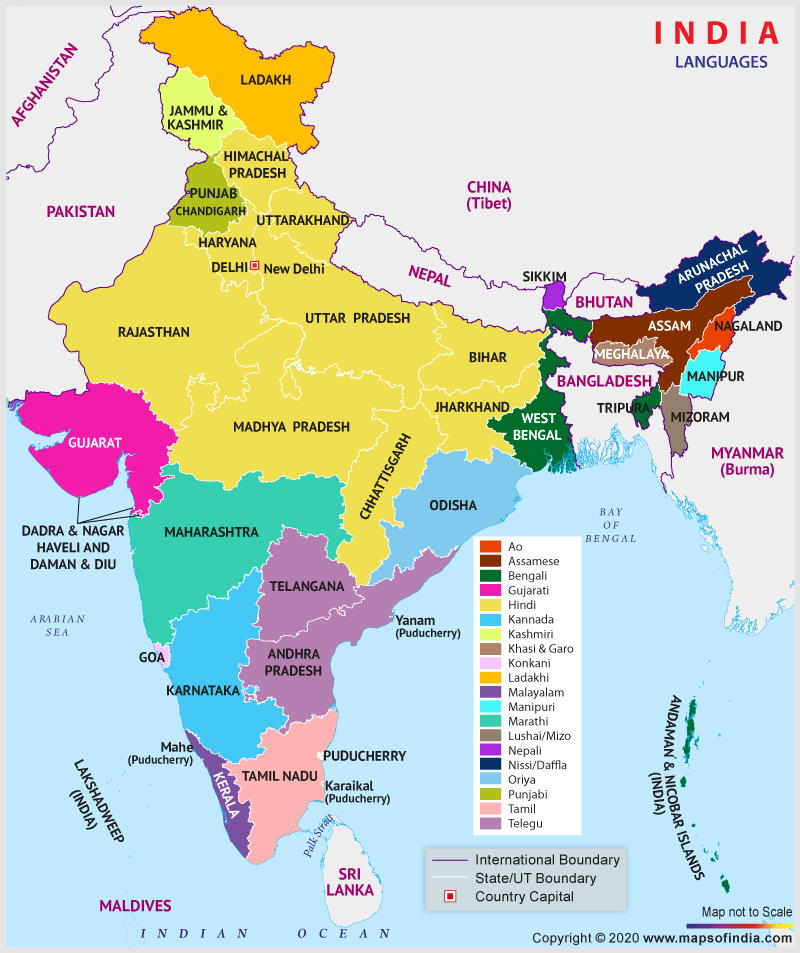
  • NCERT Class 10th – Political Science – Chapter 02. संघवाद (Federalism)

    संघवाद (Federalism) – विस्तृत अध्ययन मॉड्यूल | Class 10 Civics
    कक्षा 10 – राजनीति विज्ञान (Civics)

    संघवाद Federalism

    लोकतंत्र में सत्ता की साझेदारी का ऊर्ध्वाधर (Vertical) स्वरूप। भारत की संघीय व्यवस्था, विकेंद्रीकरण और भाषाई विविधता का विस्तृत अध्ययन।

    संघवाद क्या है?

    संघीय शासन व्यवस्था (Federalism) लोकतांत्रिक शासन का वह रूप है जिसमें सत्ता को एक केंद्रीय प्राधिकार (Central Authority) और देश की विभिन्न आनुषंगिक इकाइयों (Constituent Units) के बीच बाँट दिया जाता है। यह सत्ता की साझेदारी का ‘ऊर्ध्वाधर’ (Vertical) रूप है।

    1. पूरे देश की सरकार

    यह सरकार राष्ट्रीय महत्व के विषयों (जैसे रक्षा, विदेश नीति) के लिए जिम्मेदार होती है।

    2. राज्य/प्रांत की सरकार

    यह राज्य के दैनंदिन कामकाज (Day-to-day administration) को देखती है।

    “सत्ता के इन दोनों स्तर की सरकारें अपने-अपने स्तर पर स्वतंत्र होकर अपना काम करती हैं और एक-दूसरे के प्रति नहीं, बल्कि जनता के प्रति जवाबदेह होती हैं।”
    अधिकार-क्षेत्र (Jurisdiction): ऐसा दायरा जिस पर किसी का वैधानिक अधिकार हो। यह दायरा भौगोलिक सीमा के अंतर्गत परिभाषित हो सकता है अथवा इसके अंतर्गत कुछ विषयों को भी रखा जा सकता है।
    दुनिया के 193 देशों में से केवल 25 में संघीय व्यवस्था है, लेकिन इनमें दुनिया की 40% जनसंख्या रहती है.
    उदाहरण: बेल्जियम (संघीय) vs श्रीलंका (एकात्मक)। श्रीलंका में अभी भी व्यावहारिक रूप से एकात्मक व्यवस्था है।

    शासन व्यवस्थाओं की तुलना

    संघीय शासन (Federal)

    • 1

      दो या अधिक स्तर: केंद्र और राज्य सरकारें साथ-साथ काम करती हैं।

    • 2

      स्वतंत्रता: राज्य सरकारों के पास अपनी शक्तियाँ होती हैं। वे केंद्र पर निर्भर नहीं होतीं।

    • 3

      आदेश नहीं: केंद्र सरकार राज्य सरकार को “कुछ खास करने” का आदेश नहीं दे सकती।

    • 4

      जवाबदेही: दोनों सरकारें अलग-अलग जनता के प्रति जवाबदेह होती हैं।

    उदाहरण: भारत, बेल्जियम, USA

    एकात्मक शासन (Unitary)

    • 1

      एक ही स्तर: शासन का एक ही स्तर होता है। बाकी इकाइयाँ उसके अधीन होती हैं।

    • 2

      अधीनता: प्रांतीय सरकारें केंद्र सरकार की ‘एजेंट’ या अधीनस्थ के रूप में कार्य करती हैं।

    • 3

      आदेश शक्ति: केंद्र सरकार प्रांतीय या स्थानीय सरकारों को आदेश दे सकती है।

    उदाहरण: श्रीलंका, चीन, जापान

    संघीय व्यवस्था की 7 मुख्य विशेषताएँ

    1. सरकार के स्तर

    यहाँ सरकार दो या अधिक स्तरों वाली होती है। आमतौर पर एक केंद्रीय सरकार (पूरे देश के लिए) और विभिन्न राज्य सरकारें (प्रांतों के लिए) होती हैं।

    2. अलग-अलग अधिकार-क्षेत्र

    अलग-अलग स्तर की सरकारें एक ही नागरिक समूह पर शासन करती हैं, पर कानून बनाने, कर वसूलने और प्रशासन का उनका अपना-अपना अधिकार-क्षेत्र (Jurisdiction) होता है।

    3. संवैधानिक गारंटी

    विभिन्न स्तरों की सरकारों के अधिकार-क्षेत्र संविधान में स्पष्ट रूप से वर्णित होते हैं। इसलिए संविधान सरकार के हर स्तर के अस्तित्व और प्राधिकार की गारंटी और सुरक्षा देता है।

    4. संविधान में बदलाव

    संविधान के मौलिक प्रावधानों को किसी एक स्तर की सरकार अकेले नहीं बदल सकती। ऐसे बदलाव दोनों स्तर की सरकारों की सहमति से ही हो सकते हैं।

    5. न्यायालय की सर्वोच्चता

    अदालतों को संविधान और विभिन्न स्तर की सरकारों के अधिकारों की व्याख्या करने का अधिकार है। विभिन्न स्तर की सरकारों के बीच अधिकारों के विवाद की स्थिति में सर्वोच्च न्यायालय निर्णायक की भूमिका निभाता है।

    6. वित्तीय स्वायत्तता

    वित्तीय स्वायत्तता निश्चित करने के लिए विभिन्न स्तर की सरकारों के लिए राजस्व के अलग-अलग स्रोत निर्धारित हैं।

    7. दोहरे उद्देश्य

    संघीय शासन व्यवस्था के दोहरे उद्देश्य हैं:
    1. देश की एकता की सुरक्षा करना और उसे बढ़ावा देना।
    2. इसके साथ ही क्षेत्रीय विविधताओं का पूरा सम्मान करना।
    (आदर्श संघीय व्यवस्था में ये दोनों पक्ष होते हैं: आपसी भरोसा और साथ रहने पर सहमति।)

    संघ बनाने के दो तरीके

    संघीय शासन व्यवस्थाएँ आमतौर पर दो अलग-अलग ऐतिहासिक संदर्भों में गठित होती हैं। संघ का निर्माण किस तरह हुआ, इस पर ही केंद्र और राज्य सरकारों के बीच शक्ति का संतुलन निर्भर करता है।

    1. साथ आकर संघ बनाना

    Coming Together Federation
    प्रक्रिया

    दो या अधिक स्वतंत्र राष्ट्र साथ आकर एक बड़ी इकाई गठित करते हैं।

    उद्देश्य

    अपनी संप्रभुता और अलग पहचान बनाए रखते हुए, अपनी सुरक्षा और खुशहाली को बढ़ाना।

    शक्ति संतुलन

    आमतौर पर प्रांतों को समान अधिकार होते हैं और वे केंद्र के मुकाबले ज्यादा या बराबर ताकतवर होते हैं।

    उदाहरण:
    USA स्विट्जरलैंड ऑस्ट्रेलिया

    2. साथ लेकर संघ बनाना

    Holding Together Federation
    प्रक्रिया

    एक बड़ा देश अपनी आंतरिक विविधता को ध्यान में रखते हुए राज्यों का गठन करता है और सत्ता का बँटवारा करता है।

    उद्देश्य

    देश की आंतरिक विविधताओं को समेटना और राष्ट्रीय एकता को बनाए रखना।

    शक्ति संतुलन

    इसमें केंद्र सरकार राज्यों के मुकाबले ज़्यादा ताकतवर हुआ करती है। अक्सर विभिन्न राज्यों को समान अधिकार नहीं मिलते (विशेष अधिकार दिए जाते हैं)।

    उदाहरण:
    भारत बेल्जियम स्पेन

    भारत में संघीय व्यवस्था

    संविधान ने भारत को ‘राज्यों का संघ’ घोषित किया है। इसमें तीन सूचियों के माध्यम से विधायी अधिकारों का स्पष्ट बँटवारा किया गया है।

    1. संघ सूची (Union List)

    राष्ट्रीय महत्व के विषय

    • प्रतिरक्षा (Defence)
    • विदेशी मामले
    • बैंकिंग
    • संचार
    • मुद्रा
    सिर्फ केंद्र सरकार कानून बना सकती है।

    2. राज्य सूची (State List)

    प्रांतीय और स्थानीय महत्व

    • पुलिस
    • व्यापार, वाणिज्य
    • कृषि
    • सिंचाई
    सिर्फ राज्य सरकार कानून बना सकती है।

    3. समवर्ती सूची (Concurrent)

    साझा दिलचस्पी के विषय

    • शिक्षा
    • वन
    • मज़दूर-संघ
    • विवाह
    • गोद लेना और उत्तराधिकार
    दोनों सरकारें। टकराव पर केंद्र मान्य।

    अवशिष्ट विषय (Residuary Subjects)

    वे विषय जो तीनों सूचियों में नहीं आते (जैसे: कंप्यूटर सॉफ्टवेयर) क्योंकि ये संविधान बनने के बाद आए हैं।

    अधिकार: केंद्र सरकार

    विशेष दर्जा (Special Status)

    कुछ राज्यों को अनुच्छेद 371 के तहत विशेष शक्तियाँ प्राप्त हैं (जैसे: असम, नागालैंड, अरुणाचल प्रदेश, मिजोरम)।

    • विशिष्ट सामाजिक तथा ऐतिहासिक परिस्थितियों के कारण।
    • स्वदेशी लोगों की संस्कृति और भूमि अधिकारों के संरक्षण के लिए।

    केंद्र शासित प्रदेश (UTs)

    ये वे छोटे इलाके हैं जो अपने आकार के चलते स्वतंत्र प्रांत नहीं बन सकते और न ही किसी मौजूदा प्रांत में विलीन हो सकते हैं।

    • उदा: चंडीगढ़, लक्षद्वीप, दिल्ली।
    • इनका शासन चलाने का विशेष अधिकार केंद्र सरकार को प्राप्त है।

    संवैधानिक अनुसूचियाँ (Constitutional Schedules)

    भारत में संघीय व्यवस्था को सुदृढ़ करने वाली प्रमुख अनुसूचियाँ:

    7वीं अनुसूची (7th Schedule)

    संघ और राज्यों के बीच शक्तियों का विभाजन (तीन सूचियों – संघ, राज्य, समवर्ती) का विवरण।

    8वीं अनुसूची (8th Schedule)

    भारत की 22 आधिकारिक भाषाओं की सूची (हिन्दी, बंगाली, तेलुगु आदि)।

    11वीं अनुसूची (11th Schedule)

    पंचायती राज संस्थाओं (ग्रामीण स्थानीय शासन) के अधिकार और 29 विषय।

    12वीं अनुसूची (12th Schedule)

    नगर पालिकाओं (शहरी स्थानीय शासन) के अधिकार और 18 विषय।

    संवैधानिक संशोधन प्रक्रिया

    केंद्र और राज्य सरकारों के बीच सत्ता के बँटवारे में बदलाव करना आसान नहीं है।
    1. संसद के दोनों सदनों में दो-तिहाई बहुमत से मंजूरी।
    2. कम से कम आधे राज्यों की विधानसभाओं से मंजूरी।

    न्यायपालिका की भूमिका

    शक्तियों के बँटवारे के संबंध में कोई विवाद होने की हालत में फैसला उच्च न्यायालय और सर्वोच्च न्यायालय में ही होता है।

    संघीय व्यवस्था कैसे चलती है?

    संघीय व्यवस्था के कारगर कामकाज के लिए संवैधानिक प्रावधान ज़रूरी हैं पर इतना ही पर्याप्त नहीं है। भारत में संघीय व्यवस्था की सफलता का मुख्य श्रेय यहाँ की लोकतांत्रिक राजनीति के चरित्र को देना होगा। इसी से संघवाद की भावना, विविधता का आदर और साथ रहने की इच्छा का आदर्श स्थापित हुआ।

    1

    भाषायी राज्य (Linguistic States)

    1947 – 2019
    Linguistic Map of India

    भाषा के आधार पर प्रांतों का गठन हमारे देश की लोकतांत्रिक राजनीति के लिए पहली और कठिन परीक्षा थी। 1947 से 2019 तक कई पुराने राज्यों की सीमाएँ, क्षेत्र और नाम बदले गए।

    उद्देश्य

    एक भाषा बोलने वाले लोग एक राज्य में आ जाएँ।

    अन्य आधार

    संस्कृति, भूगोल, जातीयता (Ethnicity)।
    उदा: नगालैंड, उत्तराखंड, झारखंड।

    परिणाम: शुरुआत में डर था कि देश टूट जाएगा, पर अनुभव बताता है कि इससे देश ज़्यादा एकीकृत और मज़बूत हुआ। प्रशासन भी सुविधाजनक हो गया।
    2

    भाषा-नीति (Language Policy)

    • कोई राष्ट्रभाषा नहीं: हमारे संविधान में किसी एक भाषा को राष्ट्रभाषा (National Language) का दर्जा नहीं दिया गया।
    • राजभाषा (Official Language): हिंदी को राजभाषा माना गया, पर यह सिर्फ 40% भारतीयों की मातृभाषा है।
    • अनुसूचित भाषाएँ: संविधान की 8वीं अनुसूची में 22 भाषाओं (हिंदी सहित) को रखा गया है। केंद्र सरकार की परीक्षा किसी भी भाषा में दी जा सकती है।
    अंग्रेजी का विवाद (1965)

    संविधान के अनुसार 1965 में अंग्रेजी का प्रयोग बंद होना था। गैर-हिंदी भाषी राज्यों (जैसे तमिलनाडु) ने मांग की कि अंग्रेजी का प्रयोग जारी रहे। केंद्र सरकार ने हिंदी के साथ-साथ अंग्रेजी को राजकीय कामों में अनुमति देकर विवाद सुलझाया।

    इस लचीले रुख ने भारत को श्रीलंका जैसी स्थिति (गृहयुद्ध) से बचा लिया।

    3

    केंद्र-राज्य संबंध (Centre-State Relations)

    शुरुआती दौर (1990 से पहले)

    केंद्र और राज्यों में एक ही पार्टी का शासन रहता था। राज्य सरकारें स्वायत्त इकाई के रूप में अधिकार प्रयोग नहीं कर पाती थीं। केंद्र सरकार अक्सर अनुच्छेद 356 का दुरुपयोग कर विपक्षी दलों की राज्य सरकारों को भंग कर देती थी।

    1990 के बाद का दौर (गठबंधन युग)

    देश के अनेक राज्यों में क्षेत्रीय दलों (Regional Parties) का उदय हुआ। केंद्र में किसी एक दल को बहुमत न मिलने पर गठबंधन सरकार (Coalition Government) का दौर शुरू हुआ।

    नई संस्कृति: सत्ता में साझेदारी और राज्य सरकारों की स्वायत्तता का आदर।
    सुप्रीम कोर्ट: फैसले से राज्य सरकार को मनमाने ढंग से भंग करना मुश्किल हो गया।

    भारत में विकेंद्रीकरण

    जब केंद्र और राज्य सरकार से शक्तियाँ लेकर स्थानीय सरकारों को दी जाती हैं. (तर्क: उत्तर प्रदेश रूस से बड़ा है, महाराष्ट्र जर्मनी के बराबर है।)

    1992 के संवैधानिक संशोधन की उपलब्धियाँ

    नियमित चुनाव संवैधानिक बाध्यता.
    SC/ST/OBC के लिए आरक्षण.
    महिलाओं के लिए 1/3 सीटें आरक्षित.
    राज्य चुनाव आयोग का गठन.

    ज़िला परिषद् (District Council)

    जिले की सभी पंचायत समितियों को मिलाकर। (प्रमुख: राजनीतिक प्रधान)

    सदस्य: सांसद (MPs), विधायक (MLAs), जिला अधिकारी

    राजनीतिक प्रमुख: जिला प्रमुख | प्रशासनिक प्रमुख: मुख्य कार्यकारी अधिकारी (CEO)

    पंचायत समिति / प्रखंड (Block)

    कई ग्राम पंचायतों को मिलाकर. सदस्य: पंचायत सदस्यों द्वारा निर्वाचित.

    राजनीतिक प्रमुख: प्रधान | प्रशासनिक प्रमुख: खंड विकास अधिकारी (BDO)

    ग्राम पंचायत

    प्रत्येक गाँव में. मुखिया: प्रधान/सरपंच.

    ग्राम सभा: गाँव के सभी मतदाता सदस्य होते हैं। यह पंचायत की निगरानी करती है.

    राजनीतिक प्रमुख: सरपंच | प्रशासनिक प्रमुख: ग्राम सेवक / ग्राम विकास अधिकारी

    चुनौतियाँ

    • ग्राम सभाओं की बैठकें नियमित नहीं होतीं।
    • अधिकांश राज्य सरकारों ने स्थानीय सरकारों को पर्याप्त अधिकार और वित्तीय संसाधन नहीं दिए हैं।

    राजस्थान: पंचायती राज व शहरी शासन

    लोकतंत्र को जन-जन तक पहुँचाने की दिशा में राजस्थान की पहल और स्थानीय स्वशासन का ढांचा।

    संवैधानिक प्रावधान (Constitutional Provisions)

    73वां संविधान संशोधन (पंचायती राज)
    • लागू: राजस्थान में यह 23 अप्रैल 1994 से प्रभावी हुआ।
    • अधिनियम: राजस्थान पंचायती राज अधिनियम, 1994 के तहत व्यवस्था।
    • महिला आरक्षण: राजस्थान में महिलाओं के लिए 50% सीटें आरक्षित हैं।
    • संस्थाएं: स्वतंत्र निष्पक्ष चुनाव के लिए राज्य निर्वाचन आयोग (State Election Commission) और वित्तीय स्थिति की समीक्षा के लिए राज्य वित्त आयोग (State Finance Commission) का गठन।
    74वां संविधान संशोधन (शहरी निकाय)
    • संवैधानिक दर्जा: शहरी स्थानीय निकायों को संवैधानिक सुरक्षा और मान्यता।
    • कार्यकाल: सभी निकायों का कार्यकाल 5 वर्ष निश्चित। भंग होने पर 6 महीने के भीतर चुनाव अनिवार्य।
    • वार्ड समितियां: 3 लाख से अधिक जनसंख्या वाले क्षेत्रों में वार्ड समितियों का गठन।

    पंचायती राज व्यवस्था (त्रि-स्तरीय ढांचा)

    तीनों स्तर और उनके प्रमुख
    1. ग्राम स्तर

    ग्राम पंचायत

    राजनीतिक प्रमुख: सरपंच

    प्रशासनिक प्रमुख: ग्राम विकास अधिकारी (VDO/Gram Sevak)

    2. खंड स्तर

    पंचायत समिति

    राजनीतिक प्रमुख: प्रधान

    प्रशासनिक प्रमुख: खंड विकास अधिकारी (BDO)

    3. जिला स्तर

    जिला परिषद

    राजनीतिक प्रमुख: जिला प्रमुख

    प्रशासनिक प्रमुख: मुख्य कार्यकारी अधिकारी (CEO)

    ग्राम सभा (Gram Sabha)

    गाँव के सभी वयस्क मतदाता इसके सदस्य होते हैं। वर्ष में कम से कम 4 बैठकें (26 जनवरी, 1 मई, 15 अगस्त, 2 अक्टूबर) अनिवार्य हैं।

    ग्राम सचिवालय (Gram Sachivalaya)

    हर महीने की 5, 12, 20 और 27 तारीख को ग्राम पंचायत स्तर पर गिरदावर, ग्राम सेवक और कृषि पर्यवेक्षक उपस्थित रहते हैं ताकि ग्रामीणों की समस्याओं का समाधान हो सके।

    शहरी स्थानीय शासन (Urban Local Bodies)

    74वें संविधान संशोधन के अनुरूप राजस्थान में भी शहरी निकायों को तीन श्रेणियों में बांटा गया है:

    🏙️
    नगर निगम (Municipal Corp)

    बड़े शहरों (जैसे जयपुर, कोटा, जोधपुर) के लिए।
    प्रमुख: महापौर (Mayor)

    🏢
    नगर परिषद (Municipal Council)

    छोटे शहरों के लिए।
    प्रमुख: सभापति (Chairperson)

    🏘️
    नगर पालिका (Municipality)

    कस्बों (संक्रमणकालीन क्षेत्रों) के लिए।
    प्रमुख: अध्यक्ष (Chairman)

    वार्ड सभा (Ward Sabha)

    शहरी क्षेत्रों में वार्ड स्तर पर जनता की भागीदारी सुनिश्चित करने के लिए वार्ड सभाओं का प्रावधान है, जहाँ स्थानीय मुद्दों पर चर्चा होती है।

    ब्राजील का एक प्रयोग (Porto Alegre)

    ब्राजील के शहर पोर्तो एलग्रे (Porto Alegre) ने विकेंद्रीकरण का अद्भुत प्रयोग किया। यहाँ के करीब 13 लाख लोग अपने शहर का बजट तैयार करने में भागीदारी करते हैं।

    प्रक्रिया:

    शहर को वार्डों में बाँटा गया। हर वार्ड की ग्राम-सभा जैसी बैठक होती है जहाँ नागरिक प्रस्ताव रखते हैं। एक समानांतर संगठन खड़ा किया गया।

    फायदा:

    बजट केवल अमीरों की बस्तियों पर खर्च नहीं होता। गरीब बस्तियों तक बसें जाती हैं और झुग्गी वालों को उजाड़ा नहीं जा सकता। करीब 20,000 लोग सालाना हिस्सा लेते हैं।

    एनसीईआरटी (NCERT) पाठ्यक्रम पर आधारित विस्तृत अध्ययन सामग्री

    © परीक्षा तैयारी मॉड्यूल | राजनीति विज्ञान कक्षा 10

  • NCERT Class 12th – English (Vistas) – Chapter 02. The Tiger King – Complete Study Guide

    The Tiger King – Complete Study Guide
    Class XII English – Vistas

    The Tiger King

    by Kalki (R.K. Krishnamurthy)

    A Satirical Tale of Fate, Power, and Irony

    100
    Tigers Target
    Satire
    Genre
    Irony
    Literary Device
    Fate
    Central Theme

    About Kalki

    Kalki (R. Krishnamurthy, 1899-1954) was one of the greatest Tamil writers and a pioneer of modern Tamil literature. Born in Puttamalli, Tamil Nadu, he was a journalist, freedom fighter, and prolific author who revolutionized Tamil fiction.

    Kalki’s writing is characterized by sharp wit, social satire, and historical accuracy. His works often critique the aristocracy, social inequalities, and human follies with humor and intelligence.

    Quick Facts

    • Born: 1899
    • Died: 1954
    • Real Name: R. Krishnamurthy
    • Genre: Historical fiction, Satire
    • Language: Tamil

    Famous Works by Kalki

    • Ponniyin Selvan (1950-54): Historical novel about Chola dynasty, considered his magnum opus
    • Sivagamiyin Sabadham: Historical novel set during Pallava period
    • Parthiban Kanavu: Historical romance
    • Kalki Magazine: Founded the influential Tamil magazine

    Story Summary

    Setting

    Location: Pratibandapuram, a fictional princely state in India
    Time: Pre-independence India (British Raj era)
    Mood: Satirical, ironic, humorous yet tragic

    Plot Overview

    The Birth Prophecy

    The crown prince of Pratibandapuram is born, and astrologers predict that “death comes from the Tiger”. The ten-day-old infant astonishingly speaks: “Let tigers beware!” The chief astrologer clarifies that the prince may kill ninety-nine tigers, but the hundredth tiger will cause his death.

    Becoming the Tiger King

    Upon ascending the throne at age twenty, the Maharaja begins his mission to kill one hundred tigers to defy fate. He bans tiger hunting by anyone else in his state, declaring that “all tigers in Pratibandapuram belong to the king”. He earns the title “Tiger King” for his obsessive hunting.

    The Hunting Marathon

    Within ten years, the Maharaja kills seventy tigers, causing their extinction in Pratibandapuram. When a British officer requests permission to hunt, the Maharaja refuses, risking his state’s autonomy. To continue hunting, he strategically marries a princess from a state with a large tiger population and kills twenty-nine more tigers there.

    The Elusive Hundredth Tiger

    Having killed ninety-nine tigers, the Maharaja desperately searches for the final one. When none can be found, the terrified Dewan (prime minister) secretly obtains an old tiger from the People’s Park in Madras and releases it into the forest. During the hunt, the Maharaja fires at the tiger, which faints from the shock of the bullet’s sound but is not actually killed. The hunters, fearing the king’s wrath, quietly shoot the tiger themselves.

    The Ironic Death

    Believing he has defeated fate, the Maharaja celebrates. On his son’s third birthday, he buys a cheap wooden toy tiger from a local shop. While playing with it, a tiny sliver of wood pierces his right hand. The infection spreads rapidly, and despite three surgeons operating on him, the Maharaja dies. Thus, the prophecy is fulfilled—the hundredth tiger takes its revenge, not as a living beast, but as a harmless wooden toy.

    “The Maharaja is dead!” The only casualty was the hundredth tiger, which had been made of wood and cost only two annas and a quarter. But it was not the tiger’s fault; it was the carelessness of the toy makers who had left a tiny sliver of wood sticking out.
    — Narrative conclusion

    Character Analysis

    The Maharaja

    Protagonist – “Tiger King”

    • Brave but obsessive
    • Arrogant and authoritarian
    • Determined to defy fate
    • Superstitious yet rational
    • Symbol of human hubris

    The Dewan

    Chief Minister

    • Loyal but fearful
    • Cunning and resourceful
    • Saves his own position
    • Arranges the 100th tiger
    • Represents sycophancy

    The Astrologer

    Royal Astrologer

    • Makes the prophecy
    • Wise and confident
    • Unafraid of the king
    • Represents fate/destiny
    • Proves to be correct

    British Officer

    High-ranking Official

    • Wants to hunt tigers
    • Denied by the Maharaja
    • Represents colonial power
    • Minor but significant role

    The Maharaja’s Son

    The Young Prince

    • Receives wooden tiger
    • Innocent child
    • Unknowing catalyst
    • Symbol of irony

    Major Themes & Motifs

    Fate vs Free Will

    The central theme explores whether humans can escape their destiny. Despite the Maharaja’s efforts to defy the prophecy, fate ultimately prevails in the most unexpected way, suggesting that destiny is inevitable.

    Satire on Aristocracy

    Kalki satirizes the arrogance, vanity, and foolishness of the ruling class. The Maharaja’s obsessive tiger hunting and the sycophantic behavior of his courtiers expose the absurdity of royal privilege.

    Irony & Paradox

    The story is rich in irony: the tiger hunter is killed by a toy tiger, the brave warrior dies from a splinter, and human power proves futile against fate. The ultimate irony is that trying to avoid death leads directly to it.

    Man vs Nature

    The Maharaja’s brutal hunting represents humanity’s destructive relationship with nature. He causes the extinction of tigers in his state, symbolizing ecological imbalance and the consequences of human arrogance.

    Abuse of Power

    The Maharaja uses his authority arbitrarily—dismissing officials, threatening his Dewan, and monopolizing tiger hunting. This highlights how absolute power corrupts and leads to irrational decisions.

    Mortality & Death

    Despite wealth, power, and determination, the Maharaja cannot escape death. The story reminds us that death is the great equalizer, and no amount of human effort can prevent it when destined.

    Literary Devices & Techniques

    Dramatic Irony

    The most powerful device in the story. The Maharaja believes he has killed the hundredth tiger and defeated fate, but readers know the tiger fainted and was killed by hunters. The ultimate irony is his death from a toy tiger.

    “The Maharaja was overjoyed—he had killed the hundredth tiger!”

    Satire

    Kalki uses satire to mock the aristocracy, their vanity, and their foolish beliefs. The exaggerated actions of the Maharaja—like a ten-day-old baby speaking—highlight the absurdity of royal pretensions.

    Foreshadowing

    The astrologer’s prophecy at the beginning foreshadows the ending. The detail about the hundredth tiger being the cause of death is fulfilled in an unexpected way through the wooden toy.

    Characterization

    Characters are presented through actions rather than lengthy descriptions. The Maharaja’s obsession, the Dewan’s sycophancy, and the astrologer’s confidence are revealed through their behavior and dialogue.

    Symbolism

    • Tigers: Represent both the power of nature and the inevitability of death
    • Wooden Tiger: Symbolizes how the most insignificant things can be deadly
    • Number 100: Represents the Maharaja’s obsession and hubris
    • The Prophecy: Symbol of fate and destiny

    Hyperbole

    Exaggeration is used for comic effect—a ten-day-old baby speaking, the Maharaja’s extreme reactions, and the elaborate measures to find one tiger. These exaggerations emphasize the satirical tone.

    Paradox

    The story presents paradoxes: the brave tiger hunter dies from a toy, attempting to avoid death leads to it, and the powerful king is killed by the weakest of tigers (a wooden one).

    Historical Context

    Princely States in British India

    During British rule, India had over 560 princely states that maintained nominal independence while under British suzerainty. These states had Maharajas, Nawabs, and other rulers who enjoyed considerable autonomy in internal affairs.

    • Rulers had absolute power within their territories
    • British controlled foreign affairs and defense
    • Many rulers were known for extravagant lifestyles
    • Tiger hunting was a popular royal sport

    Tiger Hunting & Conservation

    Shikar (hunting) was considered a royal privilege and status symbol among Indian royalty and British officers.

    Historical Facts:

    • Tigers were hunted extensively
    • Caused near-extinction by 1970s
    • Project Tiger launched in 1973
    • Current population ~3,000

    In the Story:

    • Maharaja causes local extinction
    • Reflects ecological destruction
    • Critiques royal hunting culture
    • Symbol of nature’s revenge

    Astrology & Indian Culture

    Astrology (Jyotish) has been an integral part of Indian culture for thousands of years. Royal courts maintained court astrologers who:

    • Made predictions about births, deaths, and major events
    • Advised rulers on auspicious times for actions
    • Enjoyed high status and respect in society
    • Their predictions were taken very seriously

    Kalki’s Writing Period

    Kalki wrote during the Indian independence movement (1920s-1940s). This period was marked by:

    • Nationalism: Growing criticism of both British and princely rule
    • Social Reform: Questioning traditional hierarchies and superstitions
    • Literary Movement: Rise of social satire and critique in Tamil literature
    • Political Context: Debate about the future of princely states post-independence

    The story reflects this context by satirizing royal authority and blind adherence to superstition.

    NCERT Questions & Detailed Answers

    What is the prophecy about the Tiger King’s death?

    Answer: The prophecy about the Tiger King’s death is made by the royal astrologers at his birth. They predict that:

    • Death from the Tiger: The infant prince was born under the astrological sign of the bull, and the chief astrologer declared that “death comes from the Tiger.”
    • The Infant’s Response: Miraculously, the ten-day-old baby spoke and asked about the manner of his death, saying “Let tigers beware!”
    • The Specific Warning: The astrologer clarified that the prince may kill ninety-nine tigers successfully, but he should be extremely careful with the hundredth tiger, as that would be the cause of his death.
    • Ironic Fulfillment: The prophecy is ultimately fulfilled in an unexpected way—not by a living tiger, but by a cheap wooden toy tiger that causes a fatal infection.

    How did the Maharaja devote himself to achieving his goal?

    Answer: The Maharaja’s devotion to his goal was obsessive and all-consuming:

    • Complete Ban on Others: Upon ascending the throne, he immediately banned all tiger hunting by anyone else in his state, declaring that all tigers belonged to him alone.
    • Personal Hunting: He personally hunted and killed tigers with single-minded determination, achieving seventy kills in just ten years.
    • Strategic Marriage: When tigers became extinct in Pratibandapuram, he strategically married a princess from a state with a large tiger population to continue his quest.
    • Political Risk: He risked his throne and state’s autonomy by refusing a British officer’s hunting request, showing he valued his mission over political security.
    • Threats and Intimidation: He threatened to dismiss his Dewan when the hundredth tiger couldn’t be found, demonstrating his desperate obsession.
    • No Distractions: He remained focused on tiger hunting throughout his reign, making it the central purpose of his rule.

    What irony do you find in the story “The Tiger King”?

    Answer: The story is replete with multiple layers of irony:

    Dramatic Irony:

    • The Hundredth Tiger: The Maharaja believes he killed the hundredth tiger, but it merely fainted from shock. The hunters quietly killed it, but the king remains unaware.
    • Wooden Tiger’s Revenge: After killing ninety-nine real tigers, the Maharaja dies from a cheap wooden toy tiger—the ultimate ironic twist.
    • The Prophecy: His entire effort to avoid death from a tiger actually leads him to his death through the hundredth tiger (albeit wooden).

    Situational Irony:

    • Power vs Helplessness: Despite being a powerful king, he cannot control his destiny.
    • Brave Hunter Dies from Splinter: A fearless tiger hunter dies from a tiny wooden sliver—the weakest possible cause.
    • Victory Celebration: He celebrates defeating fate, but fate has already won through the wooden tiger waiting for him.
    • Nature’s Revenge: After destroying nature (causing tiger extinction), nature takes revenge in the most unexpected form.

    How did the Tiger King meet his end? What is ironic about his fate?

    Answer:

    How He Met His End:

    • The Toy Purchase: On his son’s third birthday, the Maharaja visited a toy shop and bought a poorly crafted wooden tiger for two annas and a quarter.
    • The Fatal Splinter: While playing with his son and the wooden tiger, a tiny sliver of wood pierced the Maharaja’s right hand.
    • The Infection: The wound became infected and the infection spread rapidly throughout his arm.
    • Failed Surgery: Three renowned surgeons performed an operation, but despite their efforts, the Maharaja died on the operating table.

    The Irony:

    The irony is multi-layered and profound. The Maharaja spent his entire life hunting and killing real, dangerous tigers to avoid death from a tiger. He succeeded in killing ninety-nine fierce beasts. However, he ultimately died from the hundredth “tiger”—not a living, wild animal, but a harmless wooden toy worth only two annas. The prophecy was fulfilled in the most unexpected, ironic manner possible. The brave hunter who faced dangerous tigers fearlessly was killed by the most innocent, insignificant representation of a tiger. His obsessive quest to defy fate actually led him directly to his prophesied death.

    What is the author’s message in the story “The Tiger King”?

    Answer: Kalki conveys multiple profound messages through this satirical story:

    • Fate is Inevitable: Human beings cannot escape destiny, no matter how powerful they are or what measures they take. The Maharaja’s obsessive efforts to avoid his fate ultimately lead him to it.
    • Critique of Aristocracy: The story satirizes the arrogance, vanity, and foolishness of the ruling class. The Maharaja’s obsession with tiger hunting and his authoritarian behavior expose the absurdity of absolute power.
    • Hubris Leads to Downfall: Excessive pride and the belief that one can control everything leads to destruction. The Maharaja’s hubris in thinking he could defeat prophecy causes his downfall.
    • Ecological Message: The Maharaja’s brutal hunting causes the extinction of tigers in his state, symbolizing humanity’s destructive relationship with nature and the need for conservation.
    • Absurdity of Superstition: While the prophecy proves true, the manner of its fulfillment is so absurd that it questions blind faith in superstition.
    • Death as Equalizer: Despite wealth, power, and privilege, everyone must face death. No amount of human effort can prevent mortality.

    Critical Analysis & Interpretation

    The Tiger King as Social Satire

    Kalki masterfully uses satire to critique multiple aspects of Indian society during the British Raj:

    Targets of Satire:

    • • Royal arrogance and vanity
    • • Abuse of absolute power
    • • Blind faith in astrology
    • • Sycophantic courtiers
    • • Ecological destruction

    Satirical Techniques:

    • • Hyperbole (baby speaking)
    • • Ironic situations
    • • Exaggerated characters
    • • Absurd plot twists
    • • Comic tone for serious themes

    Fate vs Free Will Debate

    The story presents a complex philosophical question: Can humans control their destiny? The Maharaja represents human free will—he makes choices, takes actions, and believes he can change his fate. However, the prophecy represents determinism—the idea that events are predetermined.

    Kalki seems to suggest that while humans can make choices, ultimate outcomes may be beyond our control. The Maharaja’s very attempt to avoid fate leads him to it—a paradox that suggests the futility of fighting destiny. Yet, the absurd manner of death (wooden tiger) also makes us question whether this is truly “fate” or just random misfortune given a meaningful interpretation.

    Ecological Reading

    Man vs Nature:

    The Maharaja’s obsessive hunting leads to the extinction of tigers in Pratibandapuram. This mirrors the real historical situation where royal hunting nearly drove tigers to extinction in India. The story, written in the 1940s, presages modern environmental concerns about species extinction and habitat destruction.

    Nature’s Revenge:

    The wooden tiger can be read as nature’s symbolic revenge. Unable to defend itself through living tigers (all killed), nature takes revenge through the representation of a tiger. This suggests that humanity’s war against nature will ultimately lead to human destruction.

    Different Interpretations

    1. Postcolonial Reading:

    The Maharaja’s relationship with the British officer represents the complex dynamics of colonial India. His refusal to allow British hunting shows resistance to colonial power, but his own destructive hunting mirrors colonial exploitation of resources. This suggests that Indian princes were complicit in the exploitation they claimed to resist.

    2. Psychological Reading:

    The Maharaja’s obsession with the prophecy represents death anxiety—the human fear of mortality. His frantic efforts to kill one hundred tigers can be seen as psychological defense mechanisms against the inevitability of death. The ironic ending suggests that obsessing over death only brings it closer.

    3. Feminist Reading:

    The Maharaja’s strategic marriage to a princess for her state’s tigers treats women as property and means to an end. The story, while not primarily feminist, exposes the patriarchal power structures where women are bargaining chips in male ambitions.

    The genius of “The Tiger King” lies in its ability to make us laugh at the absurdity of human arrogance while simultaneously making us reflect on profound questions about fate, power, and mortality. Kalki transforms a simple prophecy into a complex meditation on the human condition.
    — Critical Perspective

    Practice Exercises (Board Exam Pattern)

    Section A: Interactive MCQ Quiz (1 mark each)

    Test your knowledge with this interactive quiz – 20 questions

    Progress Question 1 of 20

    Score: 0 / 0

    Section B: Analytical Questions (3 marks each)

    Answer in about 40-50 words:

    1. Why did the Maharaja decide to marry a girl from a royal state with a large tiger population?

    Sample Answer: After killing seventy tigers in Pratibandapuram, the tiger population became extinct. To continue his mission of killing one hundred tigers, the Maharaja needed access to more tigers. He strategically chose to marry a princess from a royal state that had a large number of tigers. This marriage was not based on love but was purely a calculated decision to further his obsessive goal. The marriage allowed him to hunt in his father-in-law’s state, where he killed twenty-nine more tigers.

    2. How did the Dewan manage to arrange the hundredth tiger for the Maharaja?

    Sample Answer: When no tiger could be found for the final hunt, the Maharaja became furious and threatened to dismiss the Dewan. Terrified of losing his position, the Dewan brought an old tiger from the People’s Park in Madras. He kept it hidden in his house and then secretly brought it to the forest where the Maharaja was hunting. The Dewan released the tiger just in time for the Maharaja to find it, thus saving both his job and satisfying the king’s obsession.

    3. What shows that the astrologer was not a charlatan but a genuine astrologer?

    Sample Answer: The astrologer’s credibility is established through several factors. First, his prophecy ultimately proves true—the Maharaja does die from the hundredth tiger, albeit in an unexpected way. Second, his confidence and lack of fear when speaking to the king suggests genuine belief in his prediction. Third, the specific detail about being careful with the hundredth tiger shows precise astrological calculation rather than vague fortune-telling. Finally, his willingness to stake his reputation on such a specific prophecy demonstrates authenticity.

    4. How did the Tiger King stand in danger of losing his kingdom?

    Sample Answer: A high-ranking British officer requested permission to hunt tigers in Pratibandapuram. The Maharaja flatly refused because he had reserved all tigers for himself. This refusal angered the British officer, who had the power to take over the state. The Maharaja’s kingdom was at risk because denying British requests could lead to political consequences, including loss of autonomy or even dethronement. To appease the officer without allowing him to hunt, the Maharaja sent expensive gifts worth three lakh rupees.

    5. What is the significance of the wooden tiger in the story?

    Sample Answer: The wooden tiger is the story’s most significant symbol and carries multiple meanings. It represents the fulfillment of the prophecy in the most ironic manner—the hundredth tiger that kills the Maharaja is not a living, dangerous beast but a cheap toy. It symbolizes how fate works in mysterious ways and how the most insignificant things can be deadly. The wooden tiger also represents the revenge of nature against human arrogance and the ultimate futility of trying to escape destiny.

    Section C: Critical/Analytical Questions (2 marks each)

    Answer in about 30-40 words:

    1. How does the story satirize the lifestyle of Indian princes?

    Sample Answer: The story satirizes royal extravagance, arrogance, and absurd priorities. The Maharaja’s obsession with hunting, his authoritarian behavior, willingness to spend lavishly on gifts to appease British officers, and the sycophantic Dewan all expose the foolishness and moral bankruptcy of the aristocratic class during British rule.

    2. What role does the Dewan play in the story?

    Sample Answer: The Dewan represents the sycophantic courtier who serves the king’s whims to save his position. He arranges the hundredth tiger from a zoo, demonstrating both resourcefulness and moral flexibility. His character satirizes the yes-men who enable and encourage irrational behavior in power structures.

    3. How does Kalki use humor to convey serious themes?

    Sample Answer: Kalki employs satirical humor—a speaking infant, exaggerated royal obsession, and the absurd death from a toy—to address serious themes like fate, mortality, abuse of power, and ecological destruction. The humorous tone makes the critique more palatable while highlighting the absurdity of human arrogance.

    4. What ecological message does the story convey?

    Sample Answer: The Maharaja’s obsessive hunting leads to tiger extinction in Pratibandapuram, mirroring real ecological crises. The story critiques human destruction of wildlife for sport and vanity, highlighting the need for conservation. Nature ultimately takes symbolic revenge through the wooden tiger.

    5. Is the Maharaja a villain or a victim of circumstances?

    Sample Answer: The Maharaja is both villain and victim. He’s a victim of prophecy and fate, but his arrogant response—killing tigers recklessly, abusing power, causing extinction—makes him villainous. His tragic flaw is hubris, believing he can control destiny through brutal means.

    Section D: Long Answer Questions (6 marks each)

    Answer in about 120-150 words:

    1. “The Tiger King” is a satire on the conceit of those in power. Discuss.

    Points to include:

    • • Maharaja’s arrogance and belief he can defy fate
    • • Abuse of absolute power (banning others from hunting)
    • • Obsessive and irrational behavior
    • • Threat to dismiss Dewan shows tyranny
    • • Extravagant spending to appease British officer
    • • Sycophantic courtiers enabling bad behavior
    • • Ultimate futility of power against death
    • • Ironic death showing limitations of human control

    2. How does Kalki use irony as the dominant literary device in “The Tiger King”?

    Points to include:

    • • Prophecy fulfilled in unexpected manner
    • • Tiger hunter killed by toy tiger
    • • Brave warrior dies from tiny splinter
    • • Hundredth tiger actually not killed by Maharaja
    • • Effort to avoid death leads directly to it
    • • Power proves futile against fate
    • • Celebration of victory precedes actual defeat
    • • Irony enhances satirical and philosophical themes

    3. Analyze the theme of fate versus free will in “The Tiger King.”

    Points to include:

    • • Astrologer’s prophecy represents determinism
    • • Maharaja’s hunting represents free will/choice
    • • His efforts to change destiny seem successful initially
    • • Ultimate fulfillment of prophecy suggests fate’s power
    • • Paradox: fighting fate leads to its fulfillment
    • • Question of whether death was “fated” or coincidence
    • • Human limitations despite power and wealth
    • • Philosophical ambiguity maintained throughout

    Key Takeaways – At a Glance

    Essential Points

    • Prophecy: Death from hundredth tiger
    • Maharaja kills 99 tigers obsessively
    • 100th tiger actually faints, not killed
    • Dies from wooden toy tiger splinter
    • Ultimate irony—prophecy fulfilled

    For Exams

    • Author: Kalki (R.K. Krishnamurthy)
    • Genre: Satire
    • Main Theme: Fate vs Free Will
    • Literary Device: Irony
    • Message: Fate is inevitable

    Important Quotes

    “Let tigers beware!”

    “Death comes from the Tiger”

    “The Maharaja is dead!” – killed by the hundredth tiger

    The Tiger King

    Class XII English – Vistas • Chapter 2

    NCERT Based • Board Exam 2025
  • NCERT Class 12th – English (Vistas) – Chapter 01. The Third Level by Jack Finney – Complete Study Guide

    The Third Level by Jack Finney – Complete Study Guide
    Class XII English – Vistas

    The Third Level

    by Jack Finney

    A Journey Through Time and Reality

    1894
    Time Period
    Fantasy
    Genre
    3
    Main Characters
    Escapism
    Central Theme

    About Jack Finney

    Jack Finney (1911-1995) was an American author renowned for his science fiction and thriller novels. Born as Walter Braden Finney in Milwaukee, Wisconsin, he became one of the most celebrated writers of speculative fiction in the 20th century.

    Finney’s works often explore themes of time travel, nostalgia, and escapism from modern life. His most famous novel, Time and Again (1970), is considered a masterpiece of time-travel fiction.

    Quick Facts

    • Born: 1911
    • Died: 1995
    • Genre: Sci-Fi, Thriller
    • Famous Work: Time and Again
    • Style: Time-travel fiction

    Famous Works by Jack Finney

    • The Body Snatchers (1955): Adapted into the film “Invasion of the Body Snatchers”
    • Time and Again (1970): His magnum opus about time travel to 1882 New York
    • The Third Level (1952): Short story exploring escapism and nostalgia
    • Marion’s Wall (1973): A ghost story with romantic elements

    Story Summary

    Setting

    Location: Grand Central Station, New York City
    Time: 1950s (present) and 1894 (the third level)
    Mood: Mysterious, nostalgic, surreal

    Plot Overview

    The Discovery

    Charley, a 31-year-old New Yorker, claims to have discovered a mysterious third level at Grand Central Station. While trying to take a shortcut home, he finds himself in a corridor that leads to what appears to be Grand Central as it existed in 1894.

    Time Travel Experience

    The third level has all the features of the 1890s: gas lights, brass spittoons, people dressed in old-fashioned clothes, and a newspaper with President Cleveland on the front page dated June 11, 1894. Charley tries to buy tickets to Galesburg, Illinois, but his modern currency is rejected as the ticket clerk doesn’t recognize it.

    Failed Return

    Charley rushes home to get old currency from a coin dealer, but despite multiple attempts, he can never find the third level again. His wife Louisa and friend Sam (a psychiatrist) dismiss his experience as “wishful thinking” or an escape from modern stress.

    The Revelation

    While examining his stamp collection, Charley discovers a first-day cover with a postmark from Galesburg, July 18, 1894. The letter is from Sam, who writes about having found the third level himself and successfully escaping to 1894. Sam invites Charley and Louisa to join him in the peaceful past.

    “Galesburg, Illinois, July 18, 1894… I got to wishing that you and Louisa could be here, too… there are plenty of here and a man doesn’t have to work too hard… wish you were here.”
    — Sam’s letter from 1894

    Character Analysis

    Charley

    Protagonist & Narrator

    • 31-year-old office worker
    • Stamp collector (philatelist)
    • Yearns for simpler times
    • Imaginative and observant
    • Stressed by modern life

    Sam Weiner

    Charley’s Friend

    • Psychiatrist by profession
    • Initially skeptical
    • Eventually finds third level
    • Escapes to 1894 Galesburg
    • Represents irony – rejects then accepts

    Louisa

    Charley’s Wife

    • Supportive but skeptical
    • Worried about Charley
    • Represents reality anchor
    • Minor but significant role
    • Symbol of present-day life

    Major Themes & Motifs

    Escapism

    The primary theme – Charley’s desire to escape from the harsh realities and insecurities of modern life into a simpler, more peaceful past. The third level represents an escape route from contemporary stress and anxiety.

    Nostalgia

    The romanticization of the past – the 1890s are portrayed as an idyllic time of peace, simplicity, and slower pace of life. This reflects human tendency to idealize bygone eras.

    Reality vs. Fantasy

    The blurred line between what’s real and what’s imagined. Is the third level real or a psychological projection? The story deliberately keeps this ambiguous.

    Time Travel

    The possibility of moving between different time periods. The story explores how time is not linear but can be accessed through mysterious portals.

    Modern Anxiety

    The insecurity, fear, and worry that plague modern existence. War, violence, and uncertainty drive people to seek refuge in fantasies of simpler times.

    Philately as Connection

    Stamp collecting serves as a bridge between past and present, allowing Charley to preserve and connect with history – ultimately leading to the discovery of Sam’s letter.

    Literary Devices & Techniques

    First-Person Narration

    The story is told from Charley’s perspective, making the reader experience his confusion and wonder firsthand. This creates intimacy and draws readers into the mystery.

    “I’m just an ordinary guy named Charley…”

    Vivid Imagery

    Finney uses detailed sensory descriptions to bring the 1894 setting to life – gas lights flickering, brass spittoons, mutton-chop whiskers, and old-fashioned clothing create an immersive experience.

    “There were fewer ticket windows and train gates, and the information booth in the center was wood and old-looking…”

    Irony

    Dramatic Irony: Sam, the psychiatrist who diagnoses Charley’s experience as “wishful thinking,” turns out to be the one who actually escapes to the past. The rational man becomes the ultimate escapist.

    Ambiguity

    The story deliberately leaves the reality of the third level uncertain. Is it real, or a shared delusion? This ambiguity enhances the mysterious and thought-provoking nature of the narrative.

    Symbolism

    • The Third Level: Symbolizes escape, hope, and alternate possibilities
    • Grand Central Station: A crossroads between past and present, reality and fantasy
    • Stamps: Connection to the past, preservation of history
    • Galesburg: The idealized, peaceful small-town America

    Foreshadowing

    Sam’s disappearance and Charley’s continued searching for the third level foreshadow the final revelation about Sam’s letter. Small details hint at the larger truth throughout the narrative.

    Historical Context

    Grand Central Terminal

    Grand Central Terminal in New York City is one of the world’s largest and busiest train stations. Opened in 1913, it’s known for its stunning Beaux-Arts architecture.

    • Actually has 2 levels (not 3) – upper and lower levels
    • Features 44 platforms and 67 tracks
    • Famous for its celestial ceiling with constellations
    • A New York City landmark and symbol

    The 1890s – The “Gay Nineties”

    The 1890s in America are often romanticized as the “Gay Nineties” or “Gilded Age” – a time of:

    Positive Aspects:

    • Simpler, slower pace of life
    • No world wars yet
    • Small-town community values
    • Economic prosperity

    Reality Check:

    • Economic depression (1893-1897)
    • Labor unrest and strikes
    • Limited medical care
    • Social inequality

    Philately – Stamp Collecting

    Philately is the study and collection of postage stamps. It became popular in the late 19th century and serves as:

    • A hobby connecting people to history and geography
    • A way to preserve moments in time
    • A metaphor for Charley’s longing for the past
    • The key plot device – the first-day cover reveals Sam’s escape

    Post-WWII Anxiety (1950s)

    The story was written in 1952, during the Cold War era. This period was marked by:

    • Nuclear threat: Fear of atomic war with Soviet Union
    • Korean War: Ongoing military conflict (1950-1953)
    • McCarthy era: Political paranoia and accusations
    • Social changes: Rapid modernization and urbanization

    This context explains why characters in the story yearn for the “simpler” 1890s.

    NCERT Questions & Detailed Answers

    Do you think that the third level was a medium of escape for Charley? Why?

    Answer: Yes, the third level definitely served as a medium of escape for Charley. Here’s why:

    • Psychological Escape: Charley was overwhelmed by the stress, insecurity, and fear of modern life in the 1950s (Cold War era, nuclear threat, fast-paced urban existence).
    • Romantic Nostalgia: The 1890s represented an idealized past – simpler, slower, more peaceful – where “nobody was worried” and life was “big and slow”.
    • Sam’s Diagnosis: Sam, the psychiatrist, explicitly calls it “wish fulfillment” – a psychological coping mechanism where Charley’s mind creates an escape route from harsh reality.
    • Persistent Searching: Charley’s obsessive attempts to find the third level again demonstrate his desperate need to escape.
    • Universal Desire: Even Sam, initially skeptical, eventually succumbs to the same desire and escapes to 1894, proving that the need for escape is a common human response to modern anxiety.

    What do you infer from Sam’s letter to Charley?

    Answer: Sam’s letter provides several important revelations:

    • The Third Level is Real: Sam’s letter, postmarked July 18, 1894, confirms that the third level actually exists and is not just Charley’s hallucination.
    • Dramatic Irony: Sam, who diagnosed Charley’s experience as “wishful thinking,” ended up being the one who successfully escaped. This reveals the irony that even the rational psychiatrist needed escape from modern life.
    • Successful Escape: Sam not only found the third level but actually traveled back to 1894 and settled in Galesburg – something Charley desperately wanted but couldn’t achieve.
    • Preparation: Unlike Charley, Sam came prepared with old-style currency, showing he learned from Charley’s mistake.
    • Life in 1894: Sam describes Galesburg as peaceful – he owns a hay, feed, and grain business and doesn’t have to work too hard, confirming the idealized vision of the past.
    • Invitation: Sam invites Charley and Louisa to join him, suggesting that escape is possible and desirable for everyone feeling the pressure of modern life.

    How does modern life create insecurity, fear, and worry? How can we overcome them?

    Answer:

    How Modern Life Creates Insecurity:

    • War and Violence: Nuclear threats, terrorism, military conflicts create constant fear
    • Fast-Paced Living: Rat race, competition, deadlines cause chronic stress
    • Technology: Information overload, social media comparison, digital addiction
    • Economic Pressure: Job insecurity, financial instability, cost of living
    • Social Isolation: Breakdown of community, urban anonymity, loneliness
    • Uncertainty: Rapid changes, unpredictable future, lack of stability

    How to Overcome Them:

    • Mindfulness & Meditation: Practice being present, reduce anxiety
    • Hobbies & Interests: Like Charley’s stamp collecting – healthy escapes
    • Social Connections: Build strong relationships, community support
    • Work-Life Balance: Set boundaries, prioritize mental health
    • Physical Activity: Exercise, nature walks, outdoor activities
    • Limit Technology: Digital detox, control screen time
    • Professional Help: Therapy, counseling when needed
    • Acceptance: Focus on what you can control, let go of the rest

    The story is a reflection of the writer’s own philosophy of life. Explain.

    Answer: “The Third Level” clearly reflects Jack Finney’s personal philosophy and worldview:

    • Nostalgia for Simpler Times: Finney consistently wrote about time travel and yearning for the past throughout his career (e.g., Time and Again). He believed modern life had lost something valuable.
    • Critique of Modernity: The story criticizes the stress, anxiety, war, and insecurity of 1950s America (Cold War era), suggesting that “progress” hasn’t made life better.
    • Value of Escapism: Finney doesn’t condemn escapism; instead, he presents it as a legitimate and perhaps necessary response to overwhelming modern pressures.
    • Reality vs. Fantasy: Finney deliberately keeps the third level ambiguous – is it real or imagined? This reflects his belief that the line between reality and fantasy is not as clear as we think.
    • Romanticization of Past: While the story idealizes the 1890s, Finney was aware that all eras have problems. His point is about perspective and the human need for hope.
    • Power of Imagination: Whether real or not, the third level provides comfort and hope – suggesting that imagination and dreams have real value in coping with life.

    What role does philately play in the story? How does it connect to the theme?

    Answer: Philately (stamp collecting) plays multiple crucial roles:

    • Plot Device: The first-day cover containing Sam’s letter is the key revelation of the story – it’s through his stamp collection that Charley discovers Sam’s escape.
    • Symbol of Past: Stamps preserve moments in history, much like Charley wants to preserve or return to the past. They’re physical connections to bygone eras.
    • Safe Escapism: Sam initially calls stamp collecting a “temporary refuge from reality” – a harmless escape. But this foreshadows the larger escape to 1894.
    • Time Travel Metaphor: Looking at old stamps is like traveling back in time – examining different periods, places, and people from history.
    • Character Trait: Charley’s hobby shows he’s a nostalgic person who values history and the past, making his experience at the third level psychologically consistent.
    • Irony: What Sam dismisses as harmless escapism becomes the very proof of real escape – the stamps don’t lie about their postmark date.

    Critical Analysis & Interpretation

    Is the Third Level Real or Imaginary?

    The story deliberately maintains ambiguity. Here are both interpretations:

    Evidence for REAL:

    • • Sam’s letter with genuine 1894 postmark
    • • Detailed, consistent descriptions
    • • Sam’s disappearance from present
    • • Physical evidence (the stamp)

    Evidence for IMAGINARY:

    • • Sam’s psychiatric diagnosis
    • • Can’t find it again despite trying
    • • Wish fulfillment psychology
    • • Too convenient for Charley’s needs

    The Irony of Sam’s Character

    Sam represents the ultimate irony in the story. As a psychiatrist, he’s supposed to be the voice of reason and reality. He dismisses Charley’s experience as “wishful thinking” and a psychological escape mechanism. Yet, Sam himself becomes the ultimate escapist – the one who actually succeeds in fleeing to 1894.

    This suggests that even the most rational, educated, and “scientific” among us harbor the same desires to escape modern pressures. Perhaps Sam’s professional knowledge of human psychology made him more aware of the unbearable nature of contemporary existence.

    Different Interpretations

    1. Psychological Reading:

    The third level is a collective delusion or shared psychosis between Charley and Sam, both overwhelmed by modern anxiety. The “evidence” (Sam’s letter) could be fabricated or misinterpreted.

    2. Science Fiction Reading:

    The third level is an actual portal through time, perhaps existing in a quantum state that makes it accessible only to certain people at certain times. Grand Central’s vast underground could plausibly hide such anomalies.

    3. Social Commentary Reading:

    The story is Finney’s critique of 1950s America – the Cold War, nuclear anxiety, and loss of community. The third level represents what America has lost in its rush toward “progress.”

    4. Philosophical Reading:

    Reality itself is subjective. If Charley and Sam believe in the third level and it provides them comfort, does it matter whether it’s “objectively” real? Perception creates reality.

    The beauty of “The Third Level” lies in its ambiguity. Finney refuses to give us a definitive answer, forcing us to examine our own relationship with reality, escapism, and the past. The story becomes a mirror reflecting our own desires and fears.
    — Critical Perspective

    Practice Exercises (Board Exam Pattern)

    Section A: Interactive MCQ Quiz (1 mark each)

    Test your knowledge with this interactive quiz – 20 questions

    Progress Question 1 of 20

    Score: 0 / 0

    Section B: Analytical Questions (3 marks each)

    Answer in about 40-50 words:

    1. What is ‘wish fulfillment’ according to the psychiatrist in the story? How does it relate to Charley?

    Sample Answer: Wish fulfillment is a psychological concept where a person satisfies their desires through imagination or fantasy. According to Sam, Charley’s discovery of the third level is wish fulfillment – his mind creating an escape route from modern stress. Unable to cope with insecurity and worry, Charley’s subconscious invented a time portal to the peaceful 1890s.

    2. Why does Charley describe Galesburg as a ‘wonderful town’? What does this reveal about his character?

    Sample Answer: Charley describes Galesburg with big old frame houses, huge lawns, and tremendous trees – symbolizing peace and simplicity. This reveals his nostalgic nature and yearning for a slower, less stressful life. His romanticization of Galesburg shows he’s overwhelmed by modern urban existence and craves the comfort of small-town America.

    3. How does the story blur the line between reality and fantasy?

    Sample Answer: The story deliberately keeps the third level ambiguous. While Sam’s diagnosis suggests hallucination, the physical evidence (first-day cover with 1894 postmark, Sam’s disappearance) suggests reality. Finney never confirms which is true, forcing readers to question the boundary between imagination and actual experience, making both interpretations equally valid.

    4. What role does the setting (Grand Central Station) play in the story?

    Sample Answer: Grand Central Station serves as a perfect metaphor – it’s a crossroads where past and present intersect. With its vast underground levels and maze-like corridors, it becomes believable that a time portal could exist there. The station symbolizes transition, journey, and the possibility of alternate paths, making it ideal for a time-travel narrative.

    5. How is Sam’s character ironic in the context of the story?

    Sample Answer: Sam represents supreme irony – as a psychiatrist, he’s the voice of reason who dismisses Charley’s experience as escapist fantasy. Yet, he becomes the ultimate escapist himself, actually fleeing to 1894. This suggests that even rational, educated minds cannot resist the allure of escaping modern pressures, making his professional diagnosis of others hypocritical.

    Section C: Critical/Analytical Questions (2 marks each)

    Answer in about 30-40 words:

    1. Why couldn’t Charley find the third level again despite multiple attempts?

    Sample Answer: If interpreted psychologically, the third level appeared during extreme stress and disappeared when Charley actively sought it, suggesting it was a momentary mental escape. If interpreted literally, time portals may be unpredictable and not accessible at will.

    2. What is the significance of the first-day cover in the story?

    Sample Answer: The first-day cover serves as physical proof of Sam’s time travel, containing a letter postmarked July 18, 1894. It transforms the narrative from pure fantasy to possible reality, validating Charley’s experience while maintaining ambiguity about its true nature.

    3. How does Finney criticize modern life through this story?

    Sample Answer: Finney portrays 1950s life as full of war, insecurity, and stress, driving people to desperate escapism. The yearning for 1890s represents critique of “progress” – suggesting modernization created more anxiety than prosperity, losing community and peace.

    4. Do you think the past was really better than the present? Justify.

    Sample Answer: The past appears better through nostalgia’s filter. While 1890s lacked modern wars and technology stress, it had economic depressions, limited healthcare, and social inequality. Each era has challenges; the story reflects human tendency to romanticize bygone times.

    5. What message does the story convey about escapism?

    Sample Answer: The story presents escapism neutrally – neither condemning nor promoting it. It suggests that while escaping reality may be a coping mechanism for unbearable stress, the line between healthy retreat and harmful avoidance remains ambiguous and personal.

    Section D: Long Answer Questions (6 marks each)

    Answer in about 120-150 words:

    1. “The Third Level” is a story that explores the theme of escapism. Discuss with reference to the text.

    Points to include:

    • • Modern life’s stress and insecurity (Cold War, nuclear threat)
    • • Charley’s discovery as psychological escape
    • • 1890s representing idealized past
    • • Sam’s diagnosis of “wish fulfillment”
    • • Sam’s own escape – dramatic irony
    • • Stamp collecting as temporary refuge
    • • Author’s message about coping mechanisms

    2. Analyze the character of Charley and how he represents the common man’s struggle with modern life.

    Points to include:

    • • Ordinary 31-year-old office worker
    • • Overwhelmed by modern stress
    • • Nostalgic and imaginative nature
    • • Philately as connection to past
    • • Desperate search for third level
    • • Represents universal desire for simpler times
    • • Everyman character – relatable to readers

    Key Takeaways – At a Glance

    Essential Points

    • Third level = escape from modern anxiety
    • Set in 1950s, travels to 1894
    • Sam’s letter proves (or suggests) reality
    • Stamps connect past and present
    • Ambiguous ending – real or fantasy?

    For Exams

    • Author: Jack Finney (1911-1995)
    • Genre: Science Fiction / Fantasy
    • Main Theme: Escapism from modernity
    • Setting: Grand Central, NYC
    • Irony: Psychiatrist Sam escapes

    Important Quotes

    “I’m just an ordinary guy named Charley…”

    “It’s a wonderful town still, with big old frame houses, huge lawns and tremendous trees…”

    “A temporary refuge from reality” – Sam on stamp collecting

    The Third Level

    Class XII English – Vistas • Chapter 1

    NCERT Based • Board Exam 2025
  • NCERT Class 10th – Political Science – Chapter 01. सत्ता की साझेदारी (Power Sharing)

    सत्ता की साझेदारी (Power Sharing) – एक संपूर्ण अध्ययन मॉड्यूल
    राजनीति विज्ञान – अध्याय 1

    सत्ता की साझेदारी

    Power Sharing – लोकतांत्रिक शासन का मूल सिद्धांत

    2
    प्रमुख देश
    4
    साझेदारी के रूप
    59%
    बेल्जियम में डच
    74%
    श्रीलंका में सिंहली

    सत्ता की साझेदारी क्या है?

    सत्ता की साझेदारी लोकतांत्रिक शासन का एक मूलभूत सिद्धांत है जिसमें सत्ता को विभिन्न समूहों, संस्थाओं और स्तरों के बीच बांटा जाता है। यह एकाधिकारवादी शासन के विपरीत है जहां सत्ता किसी एक व्यक्ति या समूह के हाथ में केंद्रित होती है।

    “लोकतंत्र में सत्ता की साझेदारी आवश्यक है क्योंकि यह विविधता का सम्मान करता है और सामाजिक टकराव को कम करता है।”

    साझेदारी में

    • • विभिन्न समूहों की भागीदारी
    • • सत्ता का विकेंद्रीकरण
    • • आपसी विश्वास और सहयोग
    • • स्थायित्व और शांति

    एकाधिकार में

    • • एक समूह का वर्चस्व
    • • सत्ता का केंद्रीकरण
    • • अविश्वास और संघर्ष
    • • अस्थिरता और तनाव

    बेल्जियम की कहानी – सामंजस्य का मार्ग

    भौगोलिक स्थिति

    बेल्जियम यूरोप का एक छोटा देश है जो फ्रांस, नीदरलैंड, जर्मनी और लक्जमबर्ग से घिरा है। क्षेत्रफल में हरियाणा के आधे से भी छोटा लेकिन जनसंख्या में अधिक।

    जातीय संरचना

    समुदाय प्रतिशत भाषा क्षेत्र
    डच भाषी (फ्लेमिश) 59% डच फ्लेंडर्स क्षेत्र (उत्तर)
    फ्रेंच भाषी 40% फ्रेंच वेलोनिया क्षेत्र (दक्षिण)
    जर्मन भाषी 1% जर्मन पूर्वी सीमा क्षेत्र

    ब्रसेल्स की विशेष स्थिति

    राजधानी ब्रसेल्स में 80% फ्रेंच भाषी और 20% डच भाषी रहते हैं, जबकि यह डच भाषी क्षेत्र से घिरा है। यह जटिलता को और बढ़ाता है।

    बेल्जियम का समाधान – संवैधानिक व्यवस्था

    1

    समान प्रतिनिधित्व

    केंद्रीय सरकार में डच और फ्रेंच भाषियों को समान प्रतिनिधित्व। कोई भी समूह एकतरफा निर्णय नहीं ले सकता।

    2

    राज्य सरकारें

    दोनों क्षेत्रों की राज्य सरकारें किसी एक समुदाय के अधीन नहीं हैं।

    3

    ब्रसेल्स की व्यवस्था

    अलग सरकार जिसमें दोनों समुदायों को समान प्रतिनिधित्व।

    4

    सामुदायिक सरकार

    भाषा, संस्कृति और शिक्षा जैसे मामलों के लिए तीसरे स्तर की सरकार।

    बेल्जियम मॉडल की सफलता

    बेल्जियम ने अपने संविधान में चार बार संशोधन करके यह जटिल व्यवस्था बनाई। इससे देश में शांति और स्थिरता बनी रही। यह दर्शाता है कि विविधता को सम्मान देकर और सत्ता बांटकर संघर्ष से बचा जा सकता है।

    बेल्जियम – देश प्रोफाइल (नवंबर 2025)

    जनसंख्या: 1,18,25,551 (जनवरी 2025)

    राजधानी: ब्रसेल्स (जनसंख्या: 21.4 लाख)

    प्रति व्यक्ति GDP: $44,837 (2024)

    स्वतंत्रता: 1830 (नीदरलैंड से)

    औसत आयु: 42 वर्ष

    विश्व रैंक: 83वां (जनसंख्या में)

    विशेष: यूरोप का पहला औद्योगिक देश

    महत्व: EU और NATO का मुख्यालय

    यूरोपीय संघ (European Union) और ब्रसेल्स

    ब्रसेल्स को अनौपचारिक रूप से “यूरोपीय संघ की राजधानी” कहा जाता है क्योंकि यहां EU की प्रमुख संस्थाएं स्थित हैं:

    • यूरोपीय आयोग (European Commission) – Berlaymont भवन में
    • यूरोपीय संसद (European Parliament) – आंशिक रूप से
    • यूरोपीय परिषद (European Council) – त्रैमासिक शिखर सम्मेलन
    • मंत्रिपरिषद (Council of Ministers)

    सदस्य देश: 27 (2025 में) | संस्थापक: फ्रांस, बेल्जियम, जर्मनी, नीदरलैंड, लक्जमबर्ग, इटली (1957)
    नवीनतम सदस्य: क्रोएशिया (2013) | जुलाई 2025 अध्यक्षता: डेनमार्क

    NATO (North Atlantic Treaty Organization)

    ब्रसेल्स NATO का भी मुख्यालय है। NATO एक सैन्य गठबंधन है जिसकी स्थापना 1949 में हुई थी। यह सामूहिक सुरक्षा का सिद्धांत मानता है – एक सदस्य पर हमला सभी पर हमला माना जाता है। 2025 में इसके 32 सदस्य देश हैं।

    श्रीलंका की कहानी – बहुसंख्यकवाद का मार्ग

    भौगोलिक स्थिति

    श्रीलंका भारत के दक्षिण में स्थित एक द्वीपीय देश है। यहां दो प्रमुख समुदाय – सिंहली और तमिल – निवास करते हैं।

    जातीय संरचना

    समुदाय प्रतिशत भाषा धर्म
    सिंहली 74% सिंहली बौद्ध
    श्रीलंकाई तमिल 13% तमिल हिंदू/ईसाई
    भारतीय तमिल 5% तमिल हिंदू
    अन्य (मुस्लिम आदि) 8% विविध विविध

    बहुसंख्यकवादी नीतियों की समयरेखा

    1948 – स्वतंत्रता

    श्रीलंका को ब्रिटेन से स्वतंत्रता मिली

    1956 – भाषा अधिनियम

    सिंहली को एकमात्र राजभाषा घोषित किया गया, तमिल की उपेक्षा

    1970 के दशक

    विश्वविद्यालयों और सरकारी नौकरियों में सिंहलियों को प्राथमिकता की नीति

    1972 – नया संविधान

    बौद्ध धर्म को संरक्षण और प्राथमिकता देने का प्रावधान

    1983-2009 – गृहयुद्ध

    तमिल विद्रोह और हिंसक गृहयुद्ध, हजारों लोगों की मृत्यु

    बहुसंख्यकवाद के परिणाम

    • तमिलों में अलगाव और अविश्वास की भावना
    • दो समुदायों के बीच टकराव
    • लंबा और विनाशकारी गृहयुद्ध (1983-2009)
    • हजारों लोगों की मृत्यु और विस्थापन
    • आर्थिक विकास में बाधा
    • सामाजिक ताना-बाना कमजोर

    श्रीलंकाई तमिल vs भारतीय तमिल

    श्रीलंकाई तमिल: श्रीलंका के मूल निवासी जो सदियों से वहां रहते हैं।
    भारतीय तमिल: औपनिवेशिक काल में चाय बागानों में काम करने के लिए भारत से लाए गए।

    श्रीलंका – देश प्रोफाइल (नवंबर 2025)

    जनसंख्या: 2,32,29,470 (2025)

    राजधानी: श्री जयवर्धनेपुरा कोट्टे (प्रशासनिक)

    आर्थिक राजधानी: कोलंबो (जनसंख्या: 6.47 लाख)

    प्रति व्यक्ति GDP: $4,516 (2024)

    औसत आयु: 31.1 वर्ष

    जीवन प्रत्याशा: 75.94 वर्ष

    विश्व रैंक: 60वां (जनसंख्या में)

    स्वतंत्रता: 1948 (ब्रिटेन से)

    नोट: कोलंबो एक प्राचीन व्यापारिक बंदरगाह है जो पूर्व-पश्चिम समुद्री व्यापार मार्ग पर स्थित था। 1982 तक यह विधायी राजधानी भी था।

    श्रीलंका का आर्थिक संकट (2022)

    2022 में श्रीलंका ने अपने इतिहास का सबसे बड़ा आर्थिक संकट झेला। देश दिवालिया हो गया, विदेशी मुद्रा भंडार समाप्त हो गए, ईंधन और खाद्य पदार्थों की भारी कमी हुई। जनता के विरोध प्रदर्शनों के बाद राष्ट्रपति गोटबाया राजपक्षे को देश छोड़ना पड़ा। यह संकट अक्सर गलत नीतियों और भ्रष्टाचार का परिणाम माना जाता है।

    गृहयुद्ध की समाप्ति (2009)

    26 साल का गृहयुद्ध मई 2009 में समाप्त हुआ जब श्रीलंकाई सेना ने LTTE (Liberation Tigers of Tamil Eelam) को पराजित किया। इस युद्ध में अनुमानित 80,000-100,000 लोग मारे गए। हालांकि युद्ध समाप्त हो गया, लेकिन जातीय सामंजस्य अभी भी एक चुनौती बनी हुई है।

    LTTE और राजीव गांधी की हत्या

    LTTE (Liberation Tigers of Tamil Eelam) क्या था?

    • स्थापना: 1976, संस्थापक: वेलुपिल्लई प्रभाकरन
    • उद्देश्य: श्रीलंका में स्वतंत्र तमिल राज्य “ईलम” की स्थापना
    • विशेषता: आत्मघाती हमलों का प्रयोग करने वाला पहला संगठन
    • कई देशों द्वारा आतंकवादी संगठन घोषित

    राजीव गांधी की हत्या (21 मई 1991)

    • स्थान: श्रीपेरंबदूर, तमिलनाडु (चुनाव रैली)
    • हत्यारी: थेनमोझी राजरत्नम (धनु) – LTTE आत्मघाती हमलावर
    • तरीका: बेल्ट बम से आत्मघाती हमला
    • मृतक: राजीव गांधी सहित 14 अन्य लोग

    हत्या का कारण:

    1987 में भारत-श्रीलंका समझौते के तहत राजीव गांधी ने IPKF (Indian Peace Keeping Force) को श्रीलंका भेजा था। IPKF और LTTE के बीच संघर्ष हुआ जिससे LTTE ने राजीव गांधी को दुश्मन मान लिया।

    परिणाम:

    • भारत में LTTE पर प्रतिबंध (1992)
    • 26 दोषियों को सजा (4 को फांसी, बाद में उम्रकैद में बदली)
    • 21 मई को “आतंकवाद विरोधी दिवस” के रूप में मनाया जाता है

    बेल्जियम और श्रीलंका: तुलनात्मक अध्ययन

    पहलू बेल्जियम श्रीलंका
    दृष्टिकोण सामंजस्य और साझेदारी बहुसंख्यकवाद और वर्चस्व
    अल्पसंख्यकों का व्यवहार समान अधिकार और प्रतिनिधित्व भेदभाव और उपेक्षा
    भाषा नीति तीनों भाषाओं को मान्यता केवल सिंहली को राजभाषा
    सत्ता संरचना विकेंद्रीकृत, बहुस्तरीय केंद्रीकृत, एकाधिकार
    परिणाम शांति, स्थिरता, एकता गृहयुद्ध, विभाजन, अस्थिरता
    सबक विविधता में एकता संभव बहुसंख्यकवाद विनाशकारी

    मुख्य सीख: दोनों देशों की कहानी बताती है कि सत्ता की साझेदारी राष्ट्रीय एकता और शांति के लिए आवश्यक है। बेल्जियम ने साझेदारी चुनी और सफल रहा, जबकि श्रीलंका ने बहुसंख्यकवाद चुना और गृहयुद्ध झेला।

    विश्व में अन्य उदाहरण

    • स्विट्जरलैंड: 4 भाषाओं (जर्मन, फ्रेंच, इतालवी, रोमांश) वाला संघीय राज्य – सफल सामंजस्य
    • कनाडा: अंग्रेजी और फ्रेंच भाषी समुदायों के बीच सत्ता साझेदारी
    • यूगोस्लाविया: जातीय तनाव से देश का विघटन (1990s)
    • रवांडा: हुतू-तुत्सी संघर्ष और नरसंहार (1994)

    GDP तुलना (2024)

    बेल्जियम

    $44,837 प्रति व्यक्ति

    विश्व औसत का 355%

    श्रीलंका

    $4,516 प्रति व्यक्ति

    विश्व औसत का 33%

    बेल्जियम की GDP श्रीलंका से लगभग 10 गुना अधिक है। स्थिर शासन और सामाजिक शांति आर्थिक विकास में महत्वपूर्ण भूमिका निभाते हैं।

    बहुसंख्यकवाद (Majoritarianism)

    परिभाषा

    बहुसंख्यकवाद वह विचारधारा है जिसमें बहुसंख्यक समुदाय अपनी इच्छा से शासन चलाता है और अल्पसंख्यकों की जरूरतों और इच्छाओं की उपेक्षा करता है। यह लोकतंत्र के मूल सिद्धांतों के विरुद्ध है।

    बहुसंख्यकवाद की विशेषताएं

    शासन पर एकाधिकार

    बहुसंख्यक समुदाय सभी महत्वपूर्ण निर्णय स्वयं लेता है।

    अल्पसंख्यकों की उपेक्षा

    छोटे समुदायों की आवाज़ और अधिकारों को नज़रअंदाज़ किया जाता है।

    सांस्कृतिक वर्चस्व

    बहुसंख्यक की भाषा, धर्म और संस्कृति को थोपा जाता है।

    भेदभावपूर्ण नीतियां

    शिक्षा, नौकरी और अवसरों में पक्षपात।

    लोकतंत्र vs बहुसंख्यकवाद

    सच्चा लोकतंत्र: बहुमत का शासन + अल्पसंख्यकों के अधिकारों की सुरक्षा
    बहुसंख्यकवाद: केवल बहुमत का शासन, अल्पसंख्यकों की उपेक्षा

    बहुसंख्यकवाद लोकतंत्र का विकृत रूप है जो अंततः सामाजिक विभाजन और संघर्ष को जन्म देता है।

    सत्ता की साझेदारी क्यों जरूरी?

    समझदारी का तर्क (Prudential)

    व्यावहारिक और दूरदर्शी कारण – संघर्ष से बचने और स्थिरता बनाए रखने के लिए:

    • विभिन्न समूहों के बीच टकराव कम होता है
    • राजनीतिक व्यवस्था स्थिर रहती है
    • बहुसंख्यकवाद से देश का विभाजन हो सकता है
    • अल्पसंख्यकों को भी हिस्सेदारी मिलने से वे व्यवस्था से जुड़े रहते हैं

    नैतिक तर्क (Moral)

    लोकतंत्र की मूल भावना और सही-गलत के आधार पर:

    • लोकतंत्र की मूल भावना है नागरिकों की भागीदारी
    • हर नागरिक को शासन में हिस्सा लेने का अधिकार
    • वैध सरकार वही जो सभी समूहों का प्रतिनिधित्व करे
    • विविधता का सम्मान लोकतंत्र का आधार है

    महत्वपूर्ण: दोनों तर्क महत्वपूर्ण हैं, लेकिन नैतिक तर्क अधिक मूलभूत है क्योंकि यह लोकतंत्र के मूल्यों पर आधारित है। समझदारी का तर्क केवल परिणाम पर केंद्रित है।

    लेबनान का उदाहरण

    लेबनान में राष्ट्रपति ईसाई, प्रधानमंत्री सुन्नी मुस्लिम और स्पीकर शिया मुस्लिम होता है। यह व्यवस्था 1943 से चली आ रही है। हालांकि यह कठोर व्यवस्था है, लेकिन इसने विभिन्न धार्मिक समुदायों के बीच शांति बनाए रखने में मदद की है।

    सत्ता की साझेदारी के रूप

    आधुनिक लोकतंत्र में सत्ता की साझेदारी के चार प्रमुख रूप हैं:

    1. क्षैतिज वितरण (Horizontal Distribution)

    सरकार के विभिन्न अंगों में

    सरकार के विभिन्न अंगों – विधायिका, कार्यपालिका और न्यायपालिका – के बीच सत्ता का बंटवारा।

    विधायिका

    कानून बनाना

    कार्यपालिका

    कानून लागू करना

    न्यायपालिका

    कानून की व्याख्या

    उद्देश्य: नियंत्रण और संतुलन (Checks and Balances) – कोई भी अंग असीमित शक्ति का प्रयोग न कर सके।

    2. ऊर्ध्वाधर वितरण (Vertical Distribution)

    सरकार के विभिन्न स्तरों में

    सरकार के विभिन्न स्तरों – केंद्र सरकार, राज्य सरकार और स्थानीय सरकार – के बीच सत्ता का बंटवारा।

    केंद्र सरकार

    राष्ट्रीय महत्व के विषय

    राज्य/प्रांतीय सरकार

    राज्य स्तर के विषय

    स्थानीय सरकार

    पंचायत, नगरपालिका

    भारत में: संघीय व्यवस्था के तहत केंद्र, राज्य और स्थानीय स्तर पर शक्तियों का संवैधानिक विभाजन।

    भारत में तीसरा स्तर: पंचायती राज व्यवस्था

    भारत में 73वां संविधान संशोधन (1992) द्वारा पंचायती राज को संवैधानिक दर्जा दिया गया। यह 24 अप्रैल 1993 से लागू हुआ (इसलिए 24 अप्रैल को राष्ट्रीय पंचायती राज दिवस मनाया जाता है)।

    त्रिस्तरीय पंचायती राज संरचना:

    जिला पंचायत

    जिला स्तर

    पंचायत समिति

    ब्लॉक/तहसील स्तर

    ग्राम पंचायत

    गांव स्तर

    मुख्य विशेषताएं:

    • अनुसूची 11: 29 विषय पंचायतों को सौंपे गए (कृषि, शिक्षा, स्वास्थ्य आदि)
    • आरक्षण: SC/ST के लिए जनसंख्या अनुपात में, महिलाओं के लिए 33% (अब कई राज्यों में 50%)
    • कार्यकाल: 5 वर्ष, समय पर चुनाव अनिवार्य
    • वित्त आयोग: राज्य वित्त आयोग द्वारा धन आवंटन
    • ग्राम सभा: प्रत्यक्ष लोकतंत्र का उदाहरण

    74वां संविधान संशोधन (शहरी क्षेत्र)

    शहरों के लिए नगरपालिका, नगर परिषद और नगर निगम की व्यवस्था। अनुसूची 12 में 18 विषय सौंपे गए।

    यह विश्व का सबसे बड़ा विकेंद्रीकरण प्रयोग है – लगभग 2.5 लाख पंचायतें और 30 लाख से अधिक निर्वाचित प्रतिनिधि।

    3. सामाजिक समूहों में साझेदारी

    विभिन्न सामाजिक समूहों के बीच

    विभिन्न सामाजिक समूहों – धार्मिक, भाषाई, जातीय समुदायों – के बीच सत्ता की साझेदारी।

    सामुदायिक सरकार (बेल्जियम)

    भाषाई समुदायों को अपने मामलों में स्वायत्तता।

    आरक्षण प्रणाली (भारत)

    SC, ST, OBC को विधायिका और नौकरियों में आरक्षण।

    उद्देश्य: अल्पसंख्यक और वंचित समुदायों को सत्ता में भागीदारी देना।

    4. दबाव समूहों और आंदोलनों के माध्यम से

    राजनीतिक दलों और हित समूहों के बीच

    राजनीतिक दलों, दबाव समूहों और आंदोलनों के माध्यम से सत्ता में भागीदारी।

    राजनीतिक दल

    चुनाव और सत्ता में प्रतिस्पर्धा

    दबाव समूह

    व्यापारी संघ, किसान संगठन

    सामाजिक आंदोलन

    नागरिक समाज की आवाज़

    महत्व: गठबंधन सरकारें, विपक्षी दल और नागरिक समाज सरकार पर नियंत्रण रखते हैं।

    चारों रूपों का संबंध

    ये चारों रूप एक-दूसरे से जुड़े हुए हैं और मिलकर एक मजबूत लोकतांत्रिक व्यवस्था बनाते हैं। भारत जैसे विविधतापूर्ण देश में चारों रूप देखे जा सकते हैं – संघीय व्यवस्था (ऊर्ध्वाधर), शक्ति पृथक्करण (क्षैतिज), आरक्षण (सामाजिक), और बहुदलीय व्यवस्था (दबाव समूह)।

    भारत में सत्ता की साझेदारी

    भारत विश्व का सबसे बड़ा लोकतंत्र है और यहां सत्ता की साझेदारी के सभी रूप मौजूद हैं:

    • संघीय व्यवस्था: 28 राज्य + 8 केंद्र शासित प्रदेश
    • त्रिस्तरीय पंचायती राज: 73वां और 74वां संविधान संशोधन (1992)
    • आरक्षण: SC (15%), ST (7.5%), OBC (27%) को संसद और विधानसभाओं में
    • गठबंधन सरकारें: NDA, UPA जैसे बहुदलीय गठबंधन
    • भाषाई राज्य: 1956 में भाषा के आधार पर राज्यों का पुनर्गठन

    Consociational Democracy (सहमति लोकतंत्र)

    यह एक विशेष प्रकार का लोकतंत्र है जो गहरे विभाजित समाजों में काम करता है। इसकी मुख्य विशेषताएं हैं:

    • Grand Coalition (महागठबंधन) – सभी प्रमुख समूहों की सरकार में भागीदारी
    • Mutual Veto (पारस्परिक वीटो) – अल्पसंख्यकों को निर्णयों पर वीटो का अधिकार
    • Proportionality (आनुपातिकता) – जनसंख्या अनुपात में प्रतिनिधित्व
    • Segmental Autonomy (खंडीय स्वायत्तता) – समुदायों को अपने मामलों में स्वतंत्रता

    उदाहरण: बेल्जियम, लेबनान, नीदरलैंड, स्विट्जरलैंड

    महत्वपूर्ण राजनीतिक विचारक

    Arend Lijphart: Consociational Democracy के सिद्धांत के प्रवर्तक

    Montesquieu: शक्ति पृथक्करण (Separation of Powers) के सिद्धांत के जनक

    सारांश – मुख्य बिंदु

    मुख्य अवधारणाएं

    • सत्ता की साझेदारी लोकतंत्र का मूल सिद्धांत
    • बहुसंख्यकवाद से टकराव और अस्थिरता
    • साझेदारी से शांति और एकता
    • नैतिक और व्यावहारिक दोनों कारण महत्वपूर्ण

    केस स्टडी से सीख

    • बेल्जियम: सामंजस्य = सफलता
    • श्रीलंका: बहुसंख्यकवाद = गृहयुद्ध
    • विविधता का सम्मान आवश्यक
    • संवैधानिक व्यवस्था से समाधान संभव

    साझेदारी के 4 रूप

    क्षैतिज

    विधायिका-कार्यपालिका-न्यायपालिका

    ऊर्ध्वाधर

    केंद्र-राज्य-स्थानीय

    सामाजिक

    विभिन्न समुदायों में

    दबाव समूह

    दल और आंदोलन

    परीक्षा के लिए याद रखें

    • बेल्जियम: 59% डच, 40% फ्रेंच, 1% जर्मन – सामंजस्य मॉडल
    • श्रीलंका: 74% सिंहली, 18% तमिल – बहुसंख्यकवाद → गृहयुद्ध
    • समझदारी का तर्क: व्यावहारिक कारण – स्थिरता के लिए
    • नैतिक तर्क: लोकतंत्र की मूल भावना – भागीदारी का अधिकार
    • लेबनान: धार्मिक साझेदारी का उदाहरण

    सत्ता की साझेदारी

    राजनीति विज्ञान – कक्षा 10 – अध्याय 1

    NCERT आधारित • बोर्ड परीक्षा 2025
  • NCERT Class 10th – Economics – Chapter 05.  उपभोक्ता अधिकार (Consumer Rights)

    उपभोक्ता अधिकार (Consumer Rights) – एक संपूर्ण अध्ययन मॉड्यूल
    कक्षा 10 – अर्थशास्त्र

    उपभोक्ता अधिकार Consumer Rights

    परीक्षा की तैयारी हेतु एक संपूर्ण और स्व-निहित शिक्षण मॉड्यूल

    1986
    COPRA पारित
    24 दिसंबर
    राष्ट्रीय उपभोक्ता दिवस
    6
    मुख्य अधिकार
    3
    स्तरीय न्यायिक तंत्र

    बाज़ार में उपभोक्ता

    Consumer in the Marketplace

    बाज़ार में हमारी भागीदारी उत्पादक (कृषि, उद्योग, या सेवा क्षेत्र) और उपभोक्ता (वस्तुओं या सेवाओं को खरीदने वाले) दोनों रूपों में होती है।

    अकेला उपभोक्ता प्रायः कमजोर स्थिति में होता है, इसलिए नियमों और विनियमों की आवश्यकता है।

    बाज़ार में शोषण के प्रकार

    कम वजन तौलना

    अनुचित व्यापार

    अप्रकट शुल्क

    छुपे हुए charges

    मिलावटी वस्तुएँ

    दोषपूर्ण उत्पाद

    बाज़ार कब ठीक से काम नहीं करता?

    • उत्पादक शक्तिशाली और कम संख्या में
    • उपभोक्ता बिखरे हुए
    • समृद्ध कंपनियाँ मीडिया के माध्यम से गलत सूचना देती हैं

    उपभोक्ता आंदोलन

    Consumer Movement

    भारत में उपभोक्ता आंदोलन का जन्म सामाजिक बल के रूप में, अनैतिक और अनुचित व्यवसाय कार्यों से उपभोक्ताओं के हितों की रक्षा करने की आवश्यकता के साथ हुआ।

    1960s
    व्यवस्थित उदय
    • • अत्यधिक खाद्य कमी
    • • जमाखोरी और कालाबाजारी
    • • खाद्य पदार्थों में मिलावट
    1970s
    संगठित गतिविधियाँ
    • • आलेखों का लेखन
    • • प्रदर्शनियों का आयोजन
    • • उपभोक्ता दल बनाना
    • • राशन दुकानों पर नज़र
    1986
    COPRA पारित

    उपभोक्ता सुरक्षा अधिनियम, 1986 – आंदोलन की सबसे बड़ी सफलता

    उपभोक्ता इंटरनेशनल (Consumer International)

    • 1985 में संयुक्त राष्ट्र ने उपभोक्ता सुरक्षा के दिशा-निर्देश अपनाए
    • 100 से अधिक देशों के 200 संस्थाओं का संरक्षक संगठन

    उपभोक्ता सुरक्षा अधिनियम (COPRA)

    Consumer Protection Act

    COPRA 1986

    Consumer Protection Act

    यह कानून उपभोक्ताओं को शोषण से बचाने और उन्हें अधिकार प्रदान करने के लिए बनाया गया।

    COPRA संशोधन 2019 – नई विशेषताएँ

    • इंटरनेट के माध्यम से खरीद भी शामिल
    • सेवा प्रदाता और निर्माता दोनों ज़िम्मेदार
    • दंड या जेल का प्रावधान
    • तटस्थ मध्यस्थ की सहायता से निपटारा
    राष्ट्रीय उपभोक्ता दिवस

    भारत में 24 दिसंबर को राष्ट्रीय उपभोक्ता दिवस मनाया जाता है, क्योंकि 1986 में इसी दिन उपभोक्ता संरक्षण अधिनियम पारित हुआ था।

    विश्व उपभोक्ता अधिकार दिवस: 15 मार्च

    उपभोक्ता अधिकार

    Consumer Rights under COPRA

    सुरक्षा का अधिकार

    वस्तुओं और सेवाओं के बाज़ारीकरण के खिलाफ सुरक्षित रहने का अधिकार

    उदाहरण: प्रेशर कुकर के सेफ्टी वॉल्व की उच्च गुणवत्ता

    सूचना का अधिकार

    वस्तुओं और सेवाओं के बारे में जानकारी पाने का अधिकार

    जानकारी: अवयव, MRP, निर्माण तिथि, समाप्ति तिथि, निर्माता का पता

    चयन का अधिकार

    सेवा प्राप्त करते हुए चुनने का अधिकार

    उल्लंघन: अनचाही वस्तु खरीदने का दबाव डालना

    सुनवाई का अधिकार

    प्रतिनिधित्व और आवाज़ उठाने का अधिकार

    मंच: उपभोक्ता अदालतें और आयोग

    निवारण (क्षतिपूर्ति) का अधिकार

    अनुचित सौदेबाजी के विरुद्ध मुआवजा पाने का अधिकार

    प्रक्रिया: स्वयं या वकील के साथ शिकायत दर्ज करना

    उपभोक्ता शिक्षा का अधिकार

    अधिकारों और उपायों के बारे में जानकारी प्राप्त करने का अधिकार

    उद्देश्य: जागरूक और समझदार उपभोक्ता बनना

    केस स्टडीज़

    रेजी का कष्ट – सुरक्षा का अधिकार

    केरल के छात्र रेजी मैथ्यू को टॉन्सिल ऑपरेशन के दौरान अनुचित बेहोशी के कारण दिमागी असामान्यता हुई।

    राज्य समिति:

    मामला खारिज

    राष्ट्रीय समिति:

    अस्पताल को दोषी पाया, हर्जाना देने का निर्देश

    अबिरामी – चयन का अधिकार

    छात्रा ने कोचिंग संस्थान की फीस वापस माँगी जब पढ़ाई का स्तर ठीक नहीं था।

    जिला आयोग:

    ₹28,000 वापस करने का आदेश

    राज्य आयोग:

    ₹25,000 दंड + ₹7,000 मुआवजा

    अमृता – सूचना का अधिकार (RTI)

    स्नातक अमृता ने RTI (अक्टूबर 2005) का प्रयोग करके सरकारी विभाग से अपने इंटरव्यू का परिणाम माँगा।

    परिणाम: नियुक्ति का बुलावा पत्र प्राप्त हुआ

    त्रि-स्तरीय न्यायिक तंत्र

    Three-Tier Judicial System

    स्तर नाम दावे की सीमा
    जिला जिला उपभोक्ता विवाद निवारण आयोग ₹1 करोड़ तक
    राज्य राज्य उपभोक्ता विवाद निवारण आयोग ₹1 करोड़ से ₹10 करोड़
    राष्ट्रीय राष्ट्रीय उपभोक्ता विवाद निवारण आयोग ₹10 करोड़ से ऊपर

    अपील प्रक्रिया

    1

    जिला स्तर

    प्रथम शिकायत

    2

    राज्य स्तर

    अपील

    3

    राष्ट्रीय स्तर

    अंतिम अपील

    शिकायत दर्ज करने के तरीके

    शारीरिक रूप से

    उपभोक्ता केंद्र में जाकर

    इंटरनेट

    ऑनलाइन पोर्टल के माध्यम से

    वीडियो कॉन्फ्रेंसिंग

    दूरस्थ सुनवाई

    ISI, Agmark और Hallmark

    Quality Certification Marks

    ISI

    आई.एस.आई.

    Indian Standards Institute

    उत्पाद: इलेक्ट्रिकल उपकरण, LPG सिलेंडर, सीमेंट

    Agmark

    एगमार्क

    Agricultural Marketing

    उत्पाद: कृषि उत्पाद, खाद्य तेल, मसाले, शहद

    हॉलमार्क

    Precious Metals

    उत्पाद: सोना, चाँदी के आभूषण

    अनिवार्य प्रमाणन वाले उत्पाद

    जो उत्पाद उपभोक्ता की सुरक्षा और स्वास्थ्य को प्रभावित करते हैं:

    एल.पी.जी. सिलेंडर खाद्य रंग सीमेंट बोतलबंद पेय जल

    जागरूक उपभोक्ता बनें

    Become an Aware Consumer

    अपने अधिकारों के प्रति सचेत रहने से उपभोक्ता अच्छे और बुरे में फर्क करने और श्रेष्ठ चुनाव करने में सक्षम होते हैं।

    खरीदते समय ध्यान दें

    • MRP (अधिकतम खुदरा मूल्य) जाँचें
    • निर्माण और समाप्ति तिथि देखें
    • ISI/Agmark/Hallmark चिह्न खोजें
    • बिल/रसीद अवश्य लें

    अपने अधिकारों को जानें

    • MRP से कम दाम पर मोल-भाव करें
    • MRP से अधिक पर शिकायत करें
    • दोषपूर्ण वस्तु पर मुआवजा माँगें
    • अनचाही खरीद के दबाव को मना करें

    महत्वपूर्ण संसाधन

    केंद्रीय सरकार

    https://consumeraffairs.nic.in

    CUTS International

    www.cuts-international.org

    उपभोक्ता संगठन

    भारत में उपभोक्ता आंदोलन ने कई महत्वपूर्ण संगठनों को जन्म दिया है:

    उपभोक्ता अदालतें

    उपभोक्ता संरक्षण परिषद

    उपभोक्ता संस्थाएँ

    मुख्य बिंदु – सारांश

    Key Points Summary

    उपभोक्ता आंदोलन
    • • 1960s में व्यवस्थित उदय
    • • 1986 में COPRA पारित
    • • 2019 में संशोधन
    • • 24 दिसंबर – राष्ट्रीय उपभोक्ता दिवस
    6 अधिकार
    • • सुरक्षा का अधिकार
    • • सूचना का अधिकार
    • • चयन का अधिकार
    • • सुनवाई का अधिकार
    • • निवारण का अधिकार
    • • उपभोक्ता शिक्षा का अधिकार
    त्रि-स्तरीय तंत्र
    • • जिला: ₹1 करोड़ तक
    • • राज्य: ₹1-10 करोड़
    • • राष्ट्रीय: ₹10 करोड़+
    • • अपील की सुविधा
    गुणवत्ता चिह्न
    • • ISI – इलेक्ट्रिकल उपकरण
    • • Agmark – कृषि उत्पाद
    • • Hallmark – सोना/चाँदी
    • • कुछ उत्पादों के लिए अनिवार्य

    जागरूक उपभोक्ता बनकर हम अपने अधिकारों की रक्षा कर सकते हैं और उपभोक्ता आंदोलन को मजबूत बना सकते हैं।

    कक्षा 10 अर्थशास्त्र – अध्याय 5: उपभोक्ता अधिकार

    परीक्षा की तैयारी हेतु विस्तृत अध्ययन सामग्री

  • NCERT Class 10th – Economics – Chapter 04.  वैश्वीकरण और भारतीय अर्थव्यवस्था (Globalization and the Indian Economy)

    वैश्वीकरण और भारतीय अर्थव्यवस्था – एक संपूर्ण अध्ययन मॉड्यूल
    कक्षा 10 – अर्थशास्त्र

    वैश्वीकरण और भारतीय अर्थव्यवस्था Globalization and the Indian Economy

    परीक्षा की तैयारी हेतु एक संपूर्ण और स्व-निहित शिक्षण मॉड्यूल

    1991
    उदारीकरण की शुरुआत
    160+
    WTO सदस्य देश
    50-60%
    MNC की लागत बचत
    11 करोड़
    लघु-मध्यम उद्योग श्रमिक

    परिचय

    वैश्वीकरण की पृष्ठभूमि

    आज के विश्व में, उपभोक्ता के रूप में हमारे सामने वस्तुओं और सेवाओं के विस्तृत विकल्प उपलब्ध हैं। बाजारों में वस्तुओं के बहुव्यापी विकल्प अपेक्षाकृत नवीन परिघटना है।

    बीसवीं शताब्दी के मध्य तक

    • उत्पादन देशों की सीमाओं के अंदर सीमित था
    • व्यापार ही देशों को जोड़ने का मुख्य माध्यम
    • उपनिवेशों से कच्चा माल, तैयार वस्तुओं का आयात

    आज का युग

    • बहुराष्ट्रीय कंपनियों (MNCs) का उदय
    • उत्पादन विश्व भर में फैला हुआ
    • विस्तृत विकल्प उपलब्ध

    सूचना के स्त्रोत (Information Sources)

    ILO

    अंतर्राष्ट्रीय श्रम संगठन

    www.ilo.org

    न्यायसंगत वैश्वीकरण की अपील

    WTO

    विश्व व्यापार संगठन

    www.wto.org

    व्यापार समझौतों की जानकारी

    Corporate Watch

    MNC आलोचनात्मक जाँच

    www.corporatewatch.org.uk

    बहुराष्ट्रीय कंपनियों की निगरानी

    आधुनिक बाजार में उपलब्ध उत्पाद

    डिजिटल कैमरे
    मोबाइल फ़ोन
    टेलीविजन
    नई मॉडल गाड़ियाँ

    बहुराष्ट्रीय कंपनियाँ (MNCs)

    Multinational Corporations

    परिभाषा

    एक बहुराष्ट्रीय कंपनी (MNC) वह है जो एक से अधिक देशों में उत्पादन पर नियंत्रण अथवा स्वामित्व रखती है।

    MNC अन्य देशों में क्यों जाती हैं?

    सस्ता श्रम

    कम लागत पर कुशल और अकुशल श्रमिक

    अन्य संसाधन

    उत्पादन के अन्य कारकों की उपलब्धता

    लागत में कमी

    उत्पादन लागत में कटौती

    अधिक लाभ

    मुनाफे में वृद्धि

    MNC उत्पादन का उदाहरण (औद्योगिक उपकरण)

    डिज़ाइन

    अमेरिका

    पुर्ज़े निर्माण

    चीन

    जोड़ना

    मेक्सिको/पूर्वी यूरोप

    बिक्री

    विश्व भर में

    ग्राहक सेवा

    भारत (कॉल सेंटर)

    विश्व-भर के उत्पादन को जोड़ना

    Interlinking Production Across Countries

    उत्पादन विस्तार में लाभप्रद स्थान

    चीन

    सस्ता विनिर्माण केंद्र

    मेक्सिको/पूर्वी यूरोप

    अमेरिका और यूरोप के बाजारों से निकटता

    भारत

    कुशल इंजीनियर और अंग्रेज़ी बोलने वाले शिक्षित युवा

    इससे MNC की लागत का 50-60 प्रतिशत बचत होती है!

    सीमाओं के पार बहुराष्ट्रीय उत्पादन प्रक्रिया के प्रसार से असीमित लाभ प्राप्त किया जा सकता है। MNCs स्थानीय कंपनियों के साथ साझेदारी करके, आपूर्ति के लिए उनका इस्तेमाल करके, या निकट प्रतिस्पर्धा करके/उन्हें खरीदकर दूरस्थ स्थानों के उत्पादन पर अपना प्रभाव जमा रही हैं।

    MNCs द्वारा उत्पादन नियंत्रण के तरीके

    1

    संयुक्त उत्पादन (Joint Production)

    स्थानीय कंपनियों के साथ साझेदारी

    लाभ: अतिरिक्त निवेश + नवीनतम प्रौद्योगिकी

    2

    स्थानीय कंपनियों को खरीदना (Acquisition)

    सबसे आम रास्ता

    उदाहरण: कारगिल फूड्स ने परख फूड्स को खरीदा – अब भारत में खाद्य तेलों की सबसे बड़ी उत्पादक

    3

    छोटे उत्पादकों को ऑर्डर देना

    वस्त्र, जूते-चप्पल, खेल के सामान

    नियंत्रण: मूल्य, गुणवत्ता, आपूर्ति, श्रम शर्तें

    निवेश (Investment)

    परिसंपत्तियों (जैसे भूमि, भवन, मशीन और अन्य उपकरण) की खरीद में व्यय की गई मुद्रा।

    विदेशी निवेश (Foreign Investment)

    बहुराष्ट्रीय कंपनियों द्वारा किया गया निवेश, जो लाभ अर्जित करने की आशा से किया जाता है।

    फोर्ड मोटर्स – केस स्टडी

    विश्व की सबसे बड़ी मोटरगाड़ी निर्माता

    तथ्य:
    • 26 देशों में प्रसार
    • 1995 में भारत आई
    • चेन्नई के निकट ₹1,700 करोड़ का निवेश
    भारत में आने के कारण:
    • विशाल बाजार का लाभ
    • कम उत्पादन लागत
    • स्थानीय पुर्ज़ा आपूर्तिकर्ता
    • भारत और चीन के ग्राहकों से निकटता

    विदेश व्यापार और बाजारों का एकीकरण

    Foreign Trade and Market Integration

    विदेश व्यापार के लाभ

    • उत्पादकों को घरेलू बाजारों से बाहर पहुँचने का अवसर
    • विश्व के अन्य देशों के बाजारों में प्रतिस्पर्धा
    • खरीदारों के लिए अधिक विकल्प

    भारत में चीन के खिलौने – केस स्टडी

    चीनी खिलौनों की सफलता:
    • सस्ते दाम
    • नवीन डिज़ाइन
    परिणाम:

    70-80%

    एक वर्ष में दुकानों में भारतीय खिलौनों का स्थान चीनी खिलौनों ने ले लिया

    भारतीय खरीदार

    कम कीमत पर अधिक विकल्प

    चीनी निर्माता

    व्यवसाय फैलाने का अवसर

    भारतीय निर्माता

    खिलौने कम बिकते हैं – हानि

    बाजारों का एकीकरण

    • वस्तुओं का एक बाजार से दूसरे बाजार में आवागमन
    • दो बाजारों में एक ही वस्तु का मूल्य एक समान होने लगता है
    • उत्पादक हजारों मील दूर होकर भी प्रतिस्पर्धा कर सकते हैं

    MNCs और विदेश व्यापार: जैसे फोर्ड मोटर्स का कार संयंत्र केवल भारत के लिए ही कारों का निर्माण नहीं करता, बल्कि वह अन्य देशों को भी कारें और पुर्ज़े निर्यात करता है। विदेश व्यापार का एक बड़ा भाग बहुराष्ट्रीय कंपनियों द्वारा नियंत्रित है।

    वैश्वीकरण क्या है?

    What is Globalization?

    परिभाषा

    वैश्वीकरण (Globalization) विभिन्न देशों के बीच परस्पर संबंध और तीव्र एकीकरण की प्रक्रिया है।

    वैश्वीकरण में क्या-क्या का आदान-प्रदान होता है?

    वस्तुएँ और सेवाएँ

    निवेश

    प्रौद्योगिकी

    विदेश व्यापार

    बहुराष्ट्रीय कंपनियाँ वैश्वीकरण की प्रक्रिया में मुख्य भूमिका निभा रही हैं।

    वैश्वीकरण को संभव बनाने वाले कारक

    Factors Enabling Globalization

    1
    प्रौद्योगिकी में तीव्र उन्नति

    परिवहन प्रौद्योगिकी
    • तीव्रतर आपूर्ति कम लागत पर
    • कंटेनरों का उपयोग: ढुलाई-लागत में भारी बचत
    • वायु यातायात की लागत में गिरावट
    सूचना एवं संचार प्रौद्योगिकी (IT)
    • टेलीग्राफ, टेलीफोन, मोबाइल, फैक्स
    • संचार उपग्रहों द्वारा सुगम
    • इंटरनेट: ई-मेल, वॉइस मेल

    संचार प्रौद्योगिकी का उपयोग – उदाहरण

    लंदन के पाठकों के लिए प्रकाशित पत्रिका की डिज़ाइनिंग और छपाई दिल्ली में की जाती है।

    इंटरनेट

    पाठ्य-विषय भेजना

    दूरसंचार

    निर्देश प्राप्त करना

    ई-बैंकिंग

    तत्काल भुगतान

    विदेश व्यापार का उदारीकरण

    Liberalization of Foreign Trade

    व्यापार अवरोधक (Trade Barriers)

    आयात पर कर (Tax) लगाना एक उदाहरण है। इसे अवरोधक इसलिए कहा गया है क्योंकि यह कुछ प्रतिबंध लगाता है।

    उपयोग:
    • विदेश व्यापार को नियमित करना
    • किस प्रकार की वस्तुएँ कितनी मात्रा में आयात हों
    अन्य प्रकार:

    कोटा (Quota): आयात होने वाली वस्तुओं की संख्या सीमित करना

    स्वतंत्रता के बाद – 1991 से पहले

    • घरेलू उत्पादकों को विदेशी प्रतिस्पर्धा से संरक्षण
    • केवल अनिवार्य चीज़ों के आयात की अनुमति
    • मशीनरी, उर्वरक, पेट्रोलियम

    1991 के बाद – उदारीकरण

    • विश्व के उत्पादकों से प्रतिस्पर्धा का समय
    • अवरोधकों को हटाना
    • गुणवत्ता में सुधार की आवश्यकता

    उदारीकरण (Liberalization) की परिभाषा

    सरकार द्वारा अवरोधकों अथवा प्रतिबंधों को हटाने की प्रक्रिया।

    व्यवसायियों को मुक्त रूप से यह निर्णय लेने की अनुमति कि वे क्या आयात या निर्यात करना चाहते हैं।

    विश्व व्यापार संगठन (WTO)

    World Trade Organization

    WTO का ध्येय

    अंतर्राष्ट्रीय व्यापार को उदार बनाना

    • शुरुआत विकसित देशों की पहल पर
    • अंतर्राष्ट्रीय व्यापार से संबंधित नियमों को निर्धारित करना
    • विश्व के लगभग 160 देश सदस्य हैं

    व्यवहारिक असमानता

    • WTO सभी देशों को मुक्त व्यापार की सुविधा देता है
    • विकसित देशों ने अनुचित ढंग से व्यापार अवरोधकों को बरकरार रखा है
    • विकासशील देशों को अवरोधकों को हटाने के लिए विवश किया

    कृषि उत्पादों पर वाद-विवाद – उदाहरण

    अमेरिका में कृषि:
    • GDP में हिस्सा: 1%
    • रोज़गार में हिस्सा: 0.5%
    समस्या:

    भारी सब्सिडी के कारण अमेरिकी किसान असाधारण रूप से कम कीमत पर बेच सकते हैं

    परिणाम: विकासशील देशों के कृषकों को बुरी तरह प्रभावित करता है

    WTO के बारे में अतिरिक्त जानकारी

    स्थापना: 1 जनवरी 1995
    मुख्यालय: जिनेवा, स्विट्जरलैंड
    पूर्ववर्ती: GATT (General Agreement on Tariffs and Trade)

    मुख्य समझौते:
    • TRIPS (बौद्धिक संपदा)
    • TRIMS (निवेश उपाय)
    • Agreement on Agriculture

    विकासशील देश विकसित देशों की सरकारों से सवाल कर रहे हैं कि वे WTO नियमों की अनदेखी करके अपने किसानों को धन राशि देना क्यों जारी रखे हुए हैं।

    भारत में वैश्वीकरण का प्रभाव

    Impact of Globalization in India

    सकारात्मक प्रभाव

    उपभोक्ता लाभ (विशेषकर शहरी धनी वर्ग)
    • अधिक विकल्प उपलब्ध
    • उत्कृष्ट गुणवत्ता और कम कीमत
    • उच्चतर जीवन स्तर
    MNC का निवेश और रोज़गार

    सेलफ़ोन

    मोटर गाड़ियाँ

    इलेक्ट्रॉनिक्स

    ठंडे पेय

    जंक फूड

    बैंकिंग

    नए रोज़गार उत्पन्न हुए और स्थानीय कंपनियाँ समृद्ध हुईं

    भारतीय कंपनियों का उदय

    कुछ बड़ी भारतीय कंपनियाँ बहुराष्ट्रीय कंपनियों के रूप में उभरीं:

    टाटा मोटर्स इन्फ़ोसिस (IT) रैनबैक्सी एशियन पेंट्स सुंदरम फ़ास्नर्स
    IT सेवा क्षेत्र को अवसर
    • • डेटा एंट्री
    • • लेखाकरण
    • • प्रशासनिक कार्य
    • • इंजीनियरिंग

    ये सेवाएँ विकसित देशों को निर्यात की जाती हैं

    नकारात्मक प्रभाव

    वैश्वीकरण ने बड़ी संख्या में छोटे उत्पादकों और श्रमिकों के लिए बड़ी चुनौतियाँ खड़ी की हैं।

    प्रभावित उद्योग:
    बैटरी संधारित्र प्लास्टिक खिलौने टायर डेयरी उत्पाद खाद्य तेल

    छोटे उत्पादकों की चुनौतियाँ

    Challenges for Small Producers

    रवि – संधारित्र निर्माता (केस स्टडी)

    होसुर, तमिलनाडु

    1992:

    संधारित्र (Capacitors) बनाने वाली कंपनी शुरू की

    2001:

    WTO समझौते के अनुसार आयात प्रतिबंध हटे

    परिणाम:
    • भारतीय TV कंपनियाँ आयातित संधारित्र खरीदने लगीं (आधी कीमत)
    • उत्पादन बहुत कम हो गया
    • कई दोस्तों ने इकाइयाँ बंद कर दीं

    श्रमिकों की समस्याएँ

    • रोज़गार सुनिश्चित नहीं – नियोक्ता लचीलापन पसंद करते हैं
    • अस्थायी रोज़गार – वर्ष भर वेतन नहीं
    • बहुत लंबे कार्य-घंटे, रात में भी काम
    • काफी कम मज़दूरी
    • संरक्षण और लाभ नहीं (स्वास्थ्य बीमा, भविष्य निधि)
    वस्त्र निर्यात उद्योग में श्रमिकों की स्थिति

    वस्त्र निर्यातकों के बीच प्रतिस्पर्धा से MNCs को अधिक लाभ कमाने में मदद मिली है, लेकिन श्रमिकों को वैश्वीकरण से मिले लाभों में न्यायसंगत हिस्सा नहीं दिया गया है।

    • संगठित क्षेत्रक के श्रमिकों की कार्य-परिस्थितियाँ असंगठित क्षेत्रक के समान होती जा रही हैं
    • वर्तमान में इस पर बहस चल रही है कि क्या कंपनियों को रोज़गार नीतियों के मुद्दे पर लचीलापन अपनाना चाहिए

    विशेष आर्थिक क्षेत्र (Special Economic Zones – SEZ)

    विदेशी कंपनियों को आकर्षित करने के लिए केंद्र और राज्य सरकारें SEZ स्थापित कर रही हैं।

    सुविधाएँ:
    • विश्व स्तरीय सुविधाएँ (बिजली, पानी, सड़क)
    • 5 वर्षों तक कोई कर नहीं
    श्रम-कानूनों में लचीलापन:

    कंपनियाँ श्रमिकों को छोटी अवधि के लिए रखती हैं, जिससे श्रम लागत में कटौती होती है।

    न्यायसंगत वैश्वीकरण के लिए संघर्ष

    Struggle for Fair Globalization

    असमान प्रभाव

    लाभान्वित
    • • शिक्षित लोग
    • • कुशल लोग
    • • संपन्न लोग
    प्रभावित
    • • छोटे उत्पादक
    • • श्रमिक
    • • गरीब वर्ग

    न्यायसंगत वैश्वीकरण

    वह जो सभी के लिए अवसर प्रदान करेगा और यह सुनिश्चित करेगा कि वैश्वीकरण के लाभों में सबकी बेहतर हिस्सेदारी हो।

    सरकार की भूमिका

    • देश के सभी लोगों के हितों का संरक्षण करना
    • श्रमिक कानूनों का उचित कार्यान्वयन सुनिश्चित करना
    • छोटे उत्पादकों को मदद करना जब तक वे सक्षम न हों
    • आवश्यक होने पर व्यापार अवरोधकों का उपयोग करना
    • WTO से “न्यायसंगत नियमों” के लिए समझौते करना

    जनता की भूमिका

    • विकासशील देशों को WTO में वर्चस्व के विरुद्ध मिलकर लड़ना होगा
    • बड़े अभियानों और जनसंगठनों ने WTO के महत्वपूर्ण निर्णयों को प्रभावित किया है
    • जनता भी महत्वपूर्ण भूमिका निभा सकती है
    ILO का न्यायसंगत वैश्वीकरण पर दृष्टिकोण

    अंतर्राष्ट्रीय श्रम संगठन (ILO) ने अपनी वेबसाइट पर न्यायसंगत वैश्वीकरण (Fair Globalization) की अपील की है।

    मुख्य सिद्धांत:

    • • सभी के लिए समान अवसर
    • • श्रमिक अधिकारों का संरक्षण
    • • सामाजिक सुरक्षा का विस्तार

    लक्ष्य:

    • • गरीबी उन्मूलन
    • • सतत विकास
    • • सामाजिक न्याय
    भारत में विदेशी प्रत्यक्ष निवेश (FDI) – अतिरिक्त आँकड़े

    प्रमुख निवेशक देश

    मॉरीशस, सिंगापुर, USA, जापान, नीदरलैंड

    प्रमुख क्षेत्र

    सेवाएँ, कंप्यूटर सॉफ्टवेयर, दूरसंचार, ऑटोमोबाइल

    प्रमुख राज्य

    महाराष्ट्र, कर्नाटक, दिल्ली, तमिलनाडु, गुजरात

    मुख्य बिंदु – सारांश

    Key Points Summary

    वैश्वीकरण
    • • देशों के बीच तीव्र एकीकरण
    • • विदेश व्यापार और विदेशी निवेश द्वारा
    • • MNCs मुख्य भूमिका में
    • • प्रौद्योगिकी ने संभव बनाया
    MNCs
    • • एक से अधिक देशों में उत्पादन
    • • सस्ता श्रम और संसाधन
    • • 50-60% लागत बचत
    • • स्थानीय कंपनियों का अधिग्रहण
    उदारीकरण
    • • 1991 से शुरू
    • • व्यापार अवरोधकों को हटाना
    • • WTO का दबाव
    • • प्रतिस्पर्धा में वृद्धि
    न्यायसंगत वैश्वीकरण
    • • सभी के लिए अवसर
    • • लाभों में बेहतर हिस्सेदारी
    • • सरकार की भूमिका महत्वपूर्ण
    • • श्रमिक अधिकारों की सुरक्षा

    वैश्वीकरण से लाभ धनी उपभोक्ता और कुशल, शिक्षित उत्पादकों को मिला है, जबकि छोटे उत्पादक और श्रमिक प्रभावित हुए हैं। न्यायसंगत वैश्वीकरण सभी के लिए आवश्यक है।

    कक्षा 10 अर्थशास्त्र – अध्याय 4: वैश्वीकरण और भारतीय अर्थव्यवस्था

    परीक्षा की तैयारी हेतु विस्तृत अध्ययन सामग्री